EN
EN  DE
DE  FR
FR  RU
RU  AR
AR  ES
ES  JA
JA 
In today’s competitive food industry, plastic waste from food packaging has become a major concern for consumers, regulators, and brands alike. Single-use plastics dominate food packaging due to their convenience and low cost, but they contribute significantly to environmental pollution, with millions of tons ending up in landfills and oceans each year.
As a leading custom flexible food packaging manufacturer, GQ PACK understands the urgency of this issue and is committed to helping brands transition to more sustainable solutions. Reducing plastic waste not only meets growing regulatory demands but also enhances brand loyalty among eco-conscious consumers.
This article explores practical strategies for brands and manufacturers to minimize plastic use in food packaging, focusing on innovative materials, design optimizations, and circular approaches.
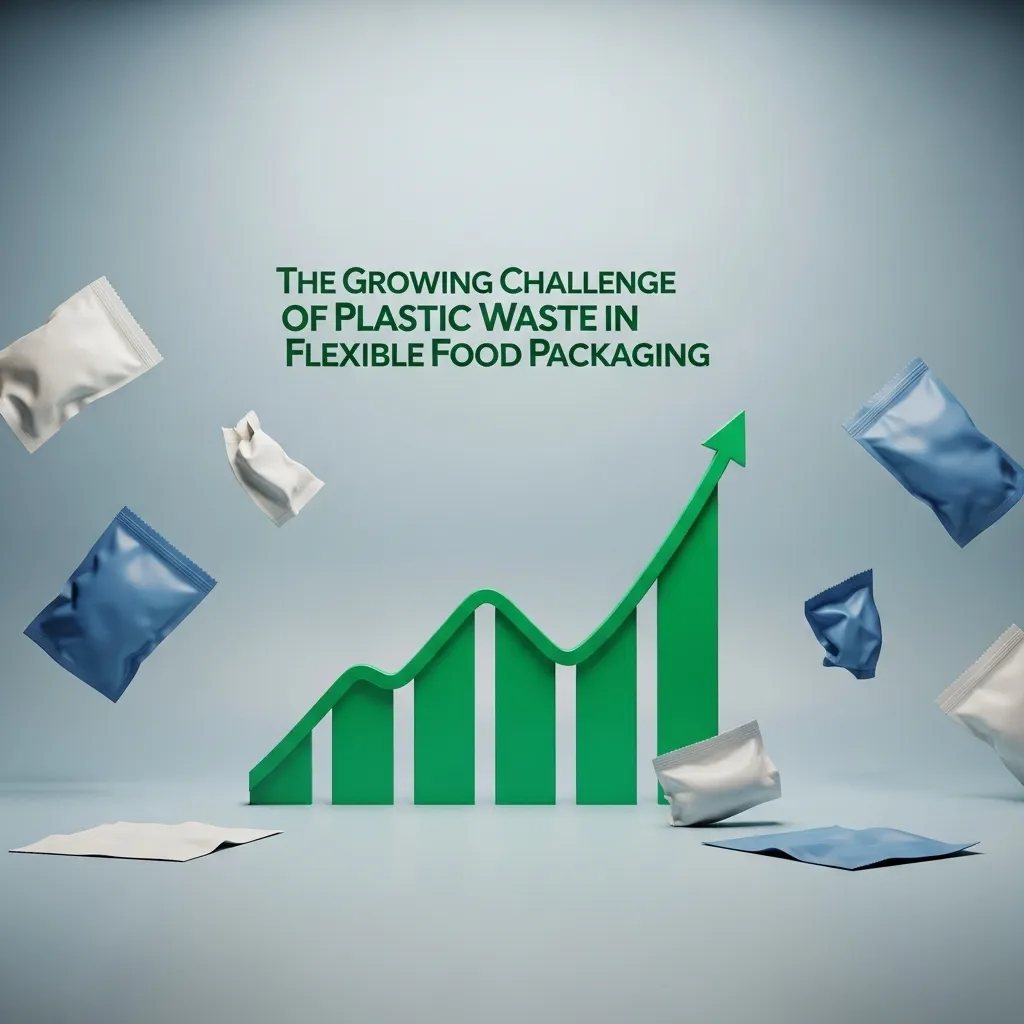
The Growing Challenge of Plastic Waste in Food Packaging
Traditional plastic packaging offers excellent barrier properties and shelf-life extension, but its environmental impact is undeniable. Most food packaging plastics are derived from fossil fuels and are non-biodegradable, leading to long-term pollution. Over-packaging and low recycling rates exacerbate the problem, with only a small percentage of plastics being effectively recycled globally.
For food brands and manufacturers, this translates to risks like plastic bans, consumer backlash, and higher disposal costs. Many regions are implementing strict regulations on single-use plastics, pushing companies to act proactively.
By addressing plastic waste in the food packaging industry head-on, brands can reduce their environmental footprint while discovering cost efficiencies and new market opportunities.
Key Advantages of Switching to Alternative Materials
One of the most effective ways to cut plastic waste is by adopting sustainable alternatives that maintain food safety and functionality.
- Bio-based and Compostable Materials: Options like PLA (polylactic acid) from cornstarch or sugarcane provide similar performance to traditional plastics but break down more readily in industrial composting facilities.
- Recycled Content Integration: Incorporating post-consumer recycled (PCR) plastics reduces virgin plastic demand. Many leading brands are targeting high PCR percentages in their packaging lines.
- Innovative Edibles and Dissolvables: Emerging solutions, such as seaweed-based films or edible wrappers, eliminate waste for certain applications like snacks or condiments.
These alternatives often meet food-grade standards and can be customized for specific products. While initial costs may be higher, long-term benefits include regulatory compliance and stronger consumer appeal.
Practical Design Optimizations to Minimize Material Use
Changing the design of the food packaging bag, per se, is the most cost-effective way to be aligned with plastic waste reduction without compromising protection.
- Lightweighting Techniques: Thinning materials or removing unnecessary layers can reduce plastic usage significantly while preserving strength.
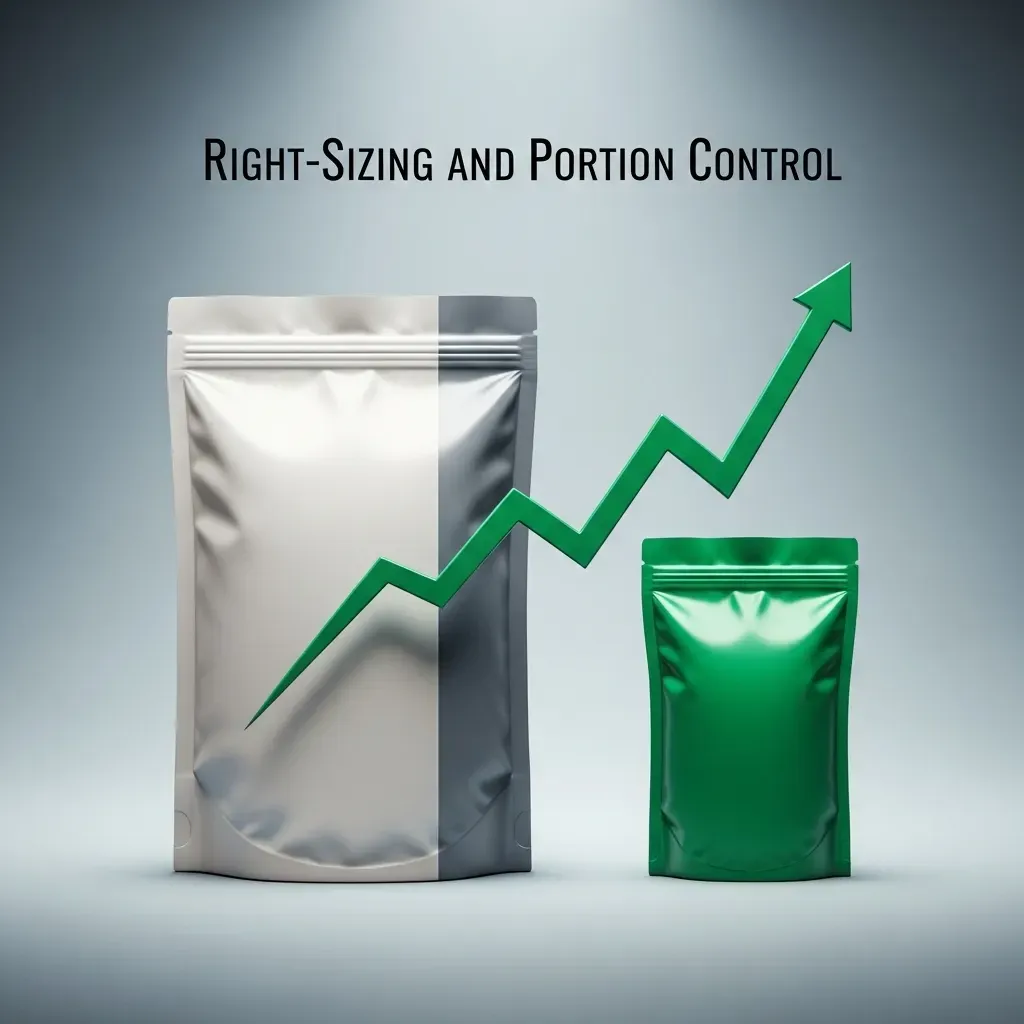
- Right-Sizing and Portion Control: Tailoring pack sizes to consumer needs minimizes excess packaging and food waste, with resealable features extending freshness.
- Mono-Material Structures: Designing with single-type materials improves recyclability compared to multi-layer composites.
Using tools like life-cycle assessments, flexible packaging manufacturers can identify high-waste areas and implement changes efficiently. These optimizations not only cut material costs but also align with sustainability goals.
Embracing Reuse and Refill Models for Long-Term Impact
Moving beyond single-use to reusable systems represents a transformative strategy.
Durable containers made from materials like glass or robust recyclables can be collected, cleaned, and refilled multiple times. Programs like deposit-return schemes or in-store refill stations encourage consumer participation with incentives.
For food items such as beverages or dry goods, these models drastically lower packaging waste. Partnerships with logistics providers ensure smooth operations, and digital tracking enhances efficiency.
Enhancing Recyclability and Circular Economy Practices
Designing for end-of-life is crucial in a circular approach.
- Mono-Materials and Easy-to-Recycle Designs: Avoiding complex laminates makes recycling more viable.
- Chemical Recycling Innovations: Advanced processes recover materials from contaminated packaging.
- Clear Labeling and Education: Guides like “How2Recycle” icons boost consumer recycling rates.
Extended producer responsibility (EPR) programs shift costs to manufacturers, incentivizing better designs.
Supply Chain Improvements to Reduce Upstream Waste
Waste reduction starts earlier in the chain.
Reusable transport crates replace disposable wraps, while local sourcing cuts secondary packaging needs. Supplier partnerships ensure alignment with low-waste standards.
Real-World Successful Examples With GQ PACK
Major brands that worked with GQ PACK have achieved impressive reductions through these strategies, including the incorporation of recycled content and the piloting of refill systems. Smaller companies are also innovating with compostable options, proving that sustainable packaging is accessible at any scale.
Reducing plastic waste in food packaging is no longer optional—it’s a strategic imperative. By adopting alternative materials, optimizing designs, embracing reuse, and fostering circularity, brands and manufacturers can lead the way toward a greener future.

As a custom flexible food packaging expert, GQ PACK supports brands in implementing these changes with tailored custom food packaging solutions that strike a balance between performance, cost, and sustainability.
👉Click here to contact GQ PACK today for customized sustainable packaging solutions that elevate your brand while protecting the planet.