EN
EN  DE
DE  FR
FR  RU
RU  AR
AR  ES
ES  JA
JA 
Yogurt is one of the most sensitive dairy products used in flexible food packaging. It contains live cultures, fats, proteins, and high water content, making it vulnerable to oxidation, light degradation, moisture loss, and flavor changes.
For brands using spout pouch packaging, the choice between transparent and opaque structures has a direct impact on shelf life, product stability, consumer perception, and return rates.
Many brands still choose transparent designs because consumers like to see the product. However, real-world performance data and long-term usage show that packaging structure can significantly affect yogurt quality.
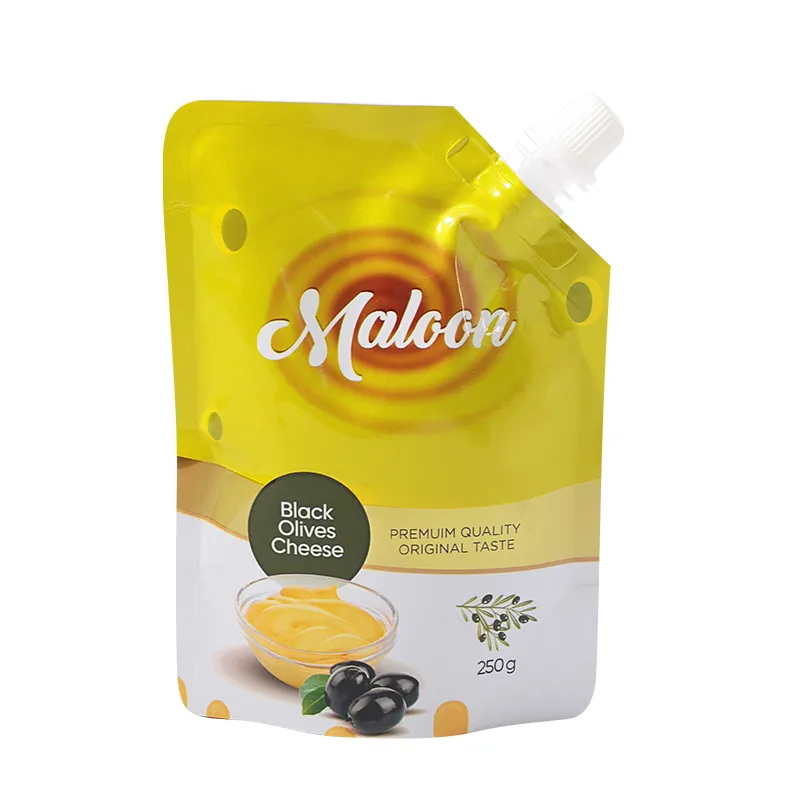
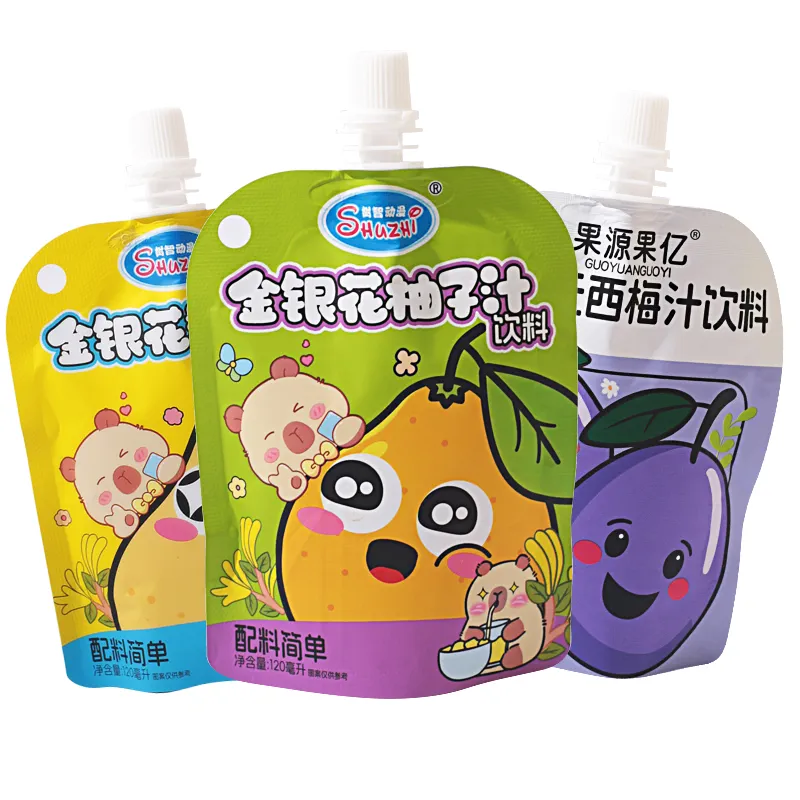
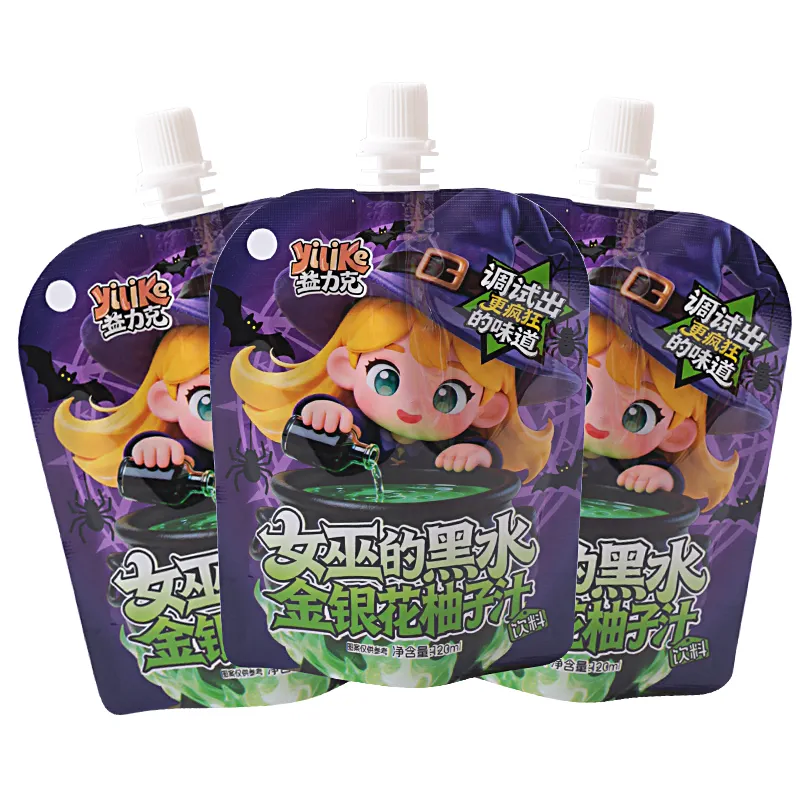
In this article, GQ PACK, a custom flexible food packaging manufacturer, compares transparent vs opaque spout pouches for yogurt packaging, focusing on barrier performance, transport stability, product safety, and shelf appeal.
Barrier Performance and Shelf Life
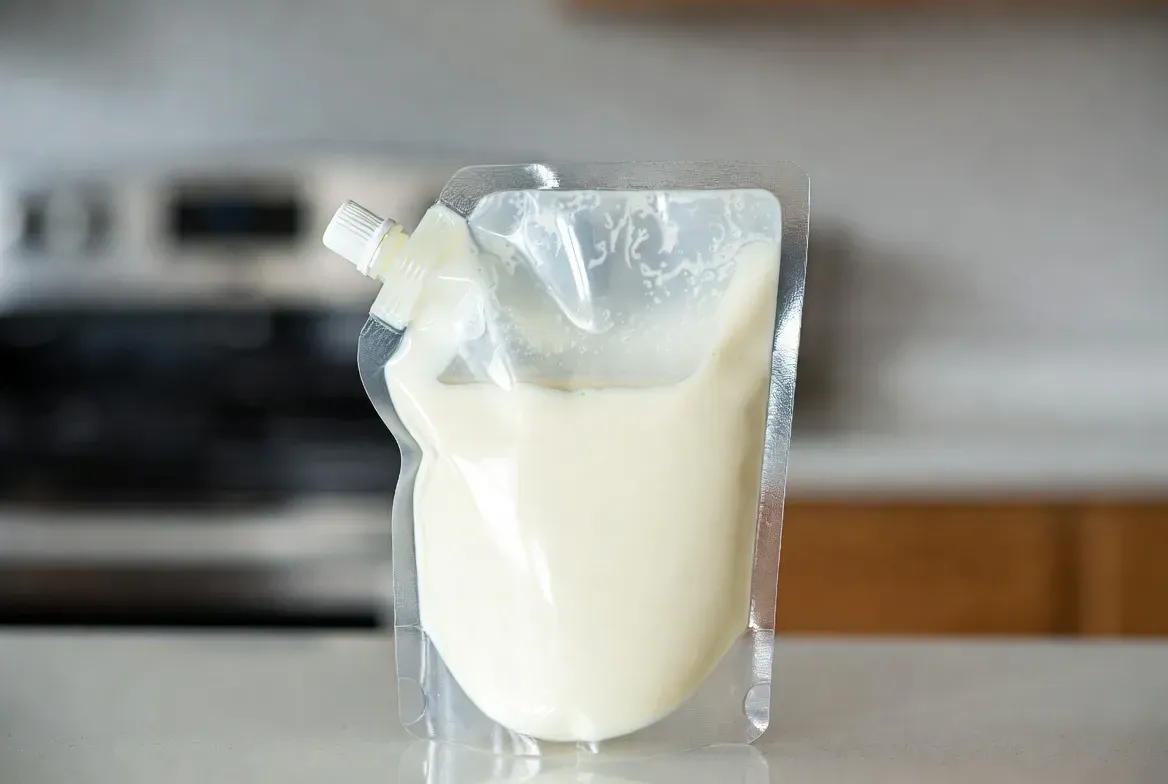
Transparent Spout Pouches: Limited Barrier Protection
Transparent spout pouches typically use structures such as:
- PET / PE
- PET / NY / PE
These structures provide moderate barrier performance.
Typical properties include:
- Oxygen transmission rate (OTR): 10–30 cc/m²·day·atm
- Water vapor transmission rate (WVTR): 5–15 g/m²·day
- UV light transmission: 70–90%
Under supermarket lighting conditions (500–1000 lux), yogurt stored in transparent pouches often develops:
- color yellowing
- whey separation
- off-flavor development
These changes can appear within 30–45 days, even when cold chain storage is maintained. Light exposure can also reduce probiotic viability because of oxidative stress.
Opaque Spout Pouches: High Barrier Protection
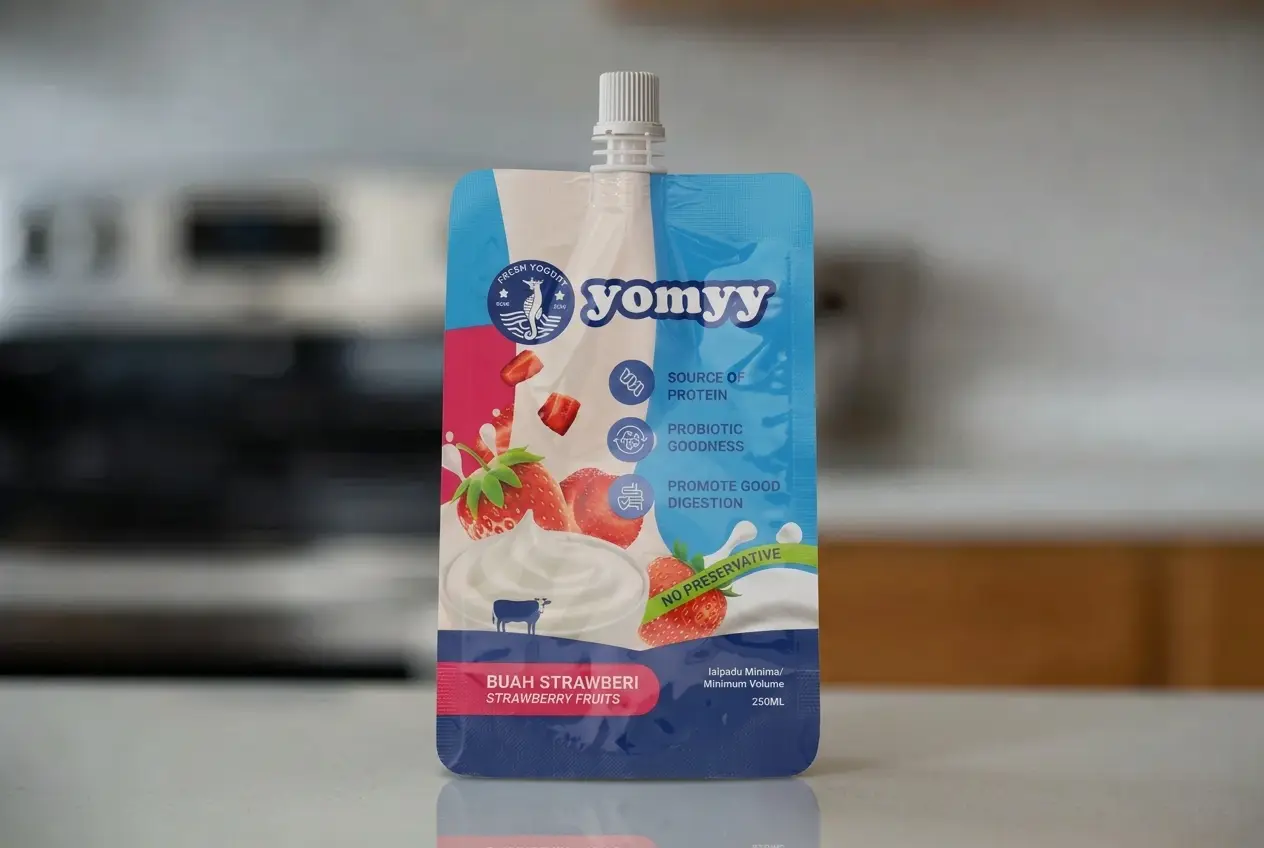
Opaque structures typically include aluminum foil or EVOH layers, such as:
- PET / AL / PE
- PET / EVOH / PE
These high-barrier materials dramatically reduce gas and moisture transmission.
Typical performance levels:
- OTR: <1–2 cc/m²·day·atm
- WVTR: <1 g/m²·day
- Light transmission: near zero
Under identical storage conditions, yogurt packaged in opaque pouches can maintain:
- stable color
- consistent viscosity
- higher probiotic viability
Shelf life can extend to 90–150 days, and brands often report 60–80% fewer product returns related to quality degradation.
Seal Strength and Leakage Risk During Transport
Transparent Structures: Narrow Sealing Window
Transparent films conduct heat quickly during sealing. This can make the sealing process less stable.
Common issues include:
- over-sealing that damages the film
- under-sealing that weakens the seal bond
Typical seal strength ranges from:
18–25 N / 15 mm
During transport simulations involving vibration and drop tests, transparent pouches show a 15–25% higher leakage risk, especially around the spout area.
Opaque Structures: Stronger and More Stable Seals
Opaque structures containing aluminum layers distribute heat more evenly during sealing. This results in:
- more consistent seal formation
- higher mechanical strength
Typical seal strength:
25–35 N / 15 mm
The aluminum layer also increases structural stiffness, reducing deformation under stacking pressure during long-distance transport.
Fat Migration and Pouch Swelling
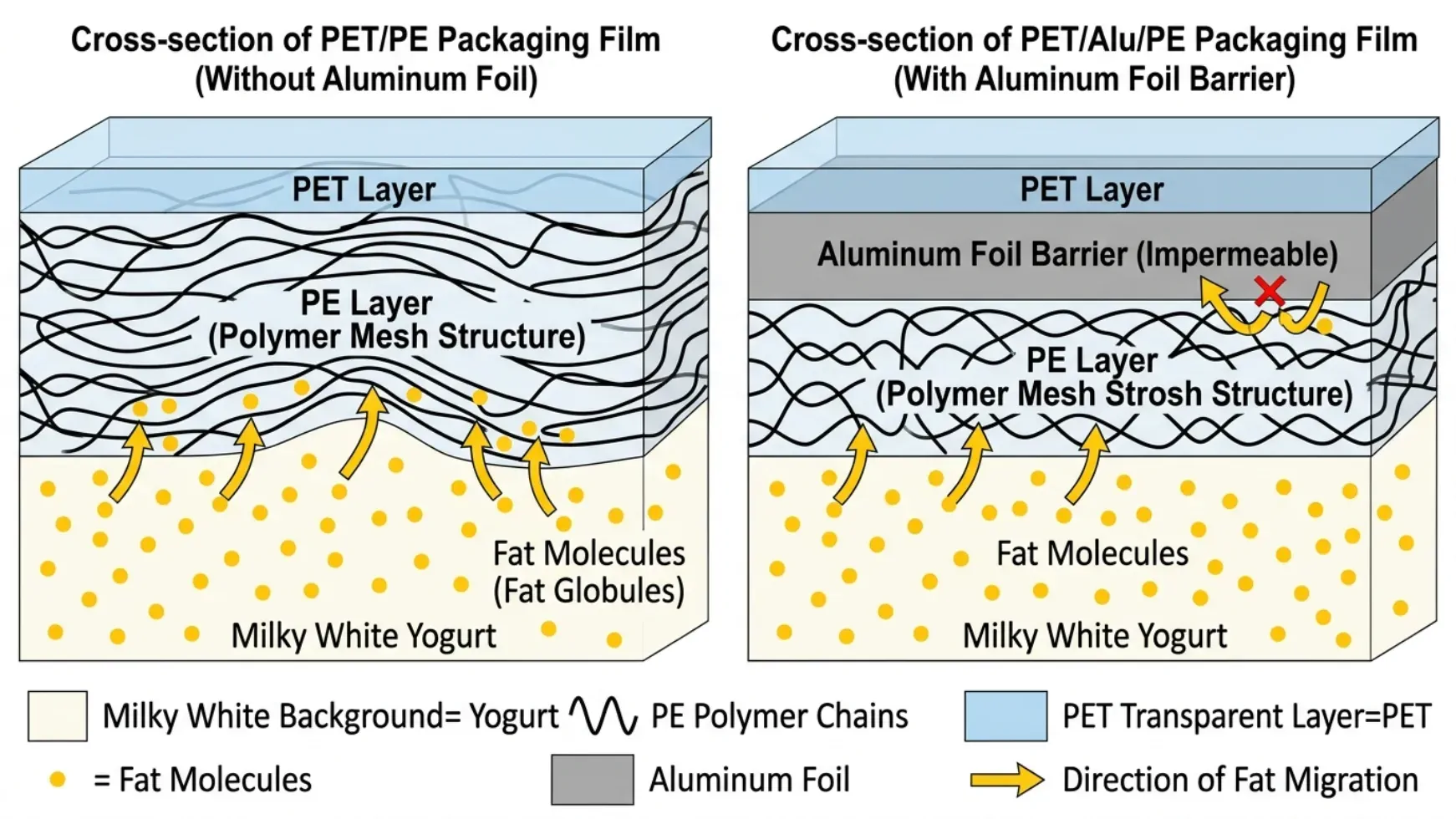
Yogurt typically contains 3–10% fat, which can slowly migrate into the inner PE layer of flexible packaging.
Transparent PET/PE Structures
In transparent pouches, fat migration can cause:
- pouch swelling
- softening of the film
- eventual leakage
Bulging often becomes visible after 2–3 months of storage at 4–10°C.
Opaque Aluminum Barrier Structures
Aluminum foil acts as a near-complete barrier to fats and flavor compounds.
As a result:
- swelling rates drop below 2%
- leakage caused by fat migration is almost eliminated
Brands using opaque structures often report nearly zero swelling-related returns after 120 days of storage.
Consumer Perception and Shelf Impact
Transparent Pouches: Natural but Less Stable Appearance
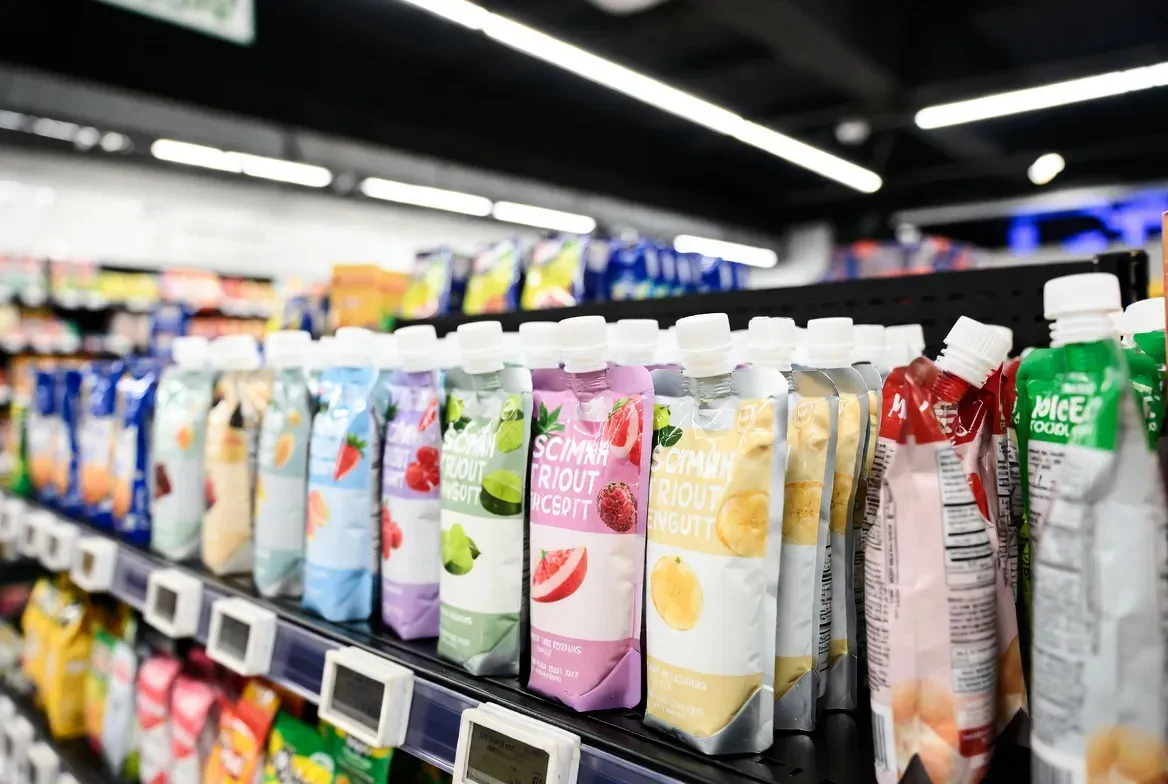
Transparent packaging allows consumers to immediately see:
- yogurt color
- texture
- fruit pieces
This creates a perception of freshness and natural ingredients.
However, transparent packaging can also show:
- fingerprints
- dust
- discoloration caused by light exposure
These visual imperfections can reduce shelf appeal over time.
Opaque Pouches: Premium and Consistent Shelf Display
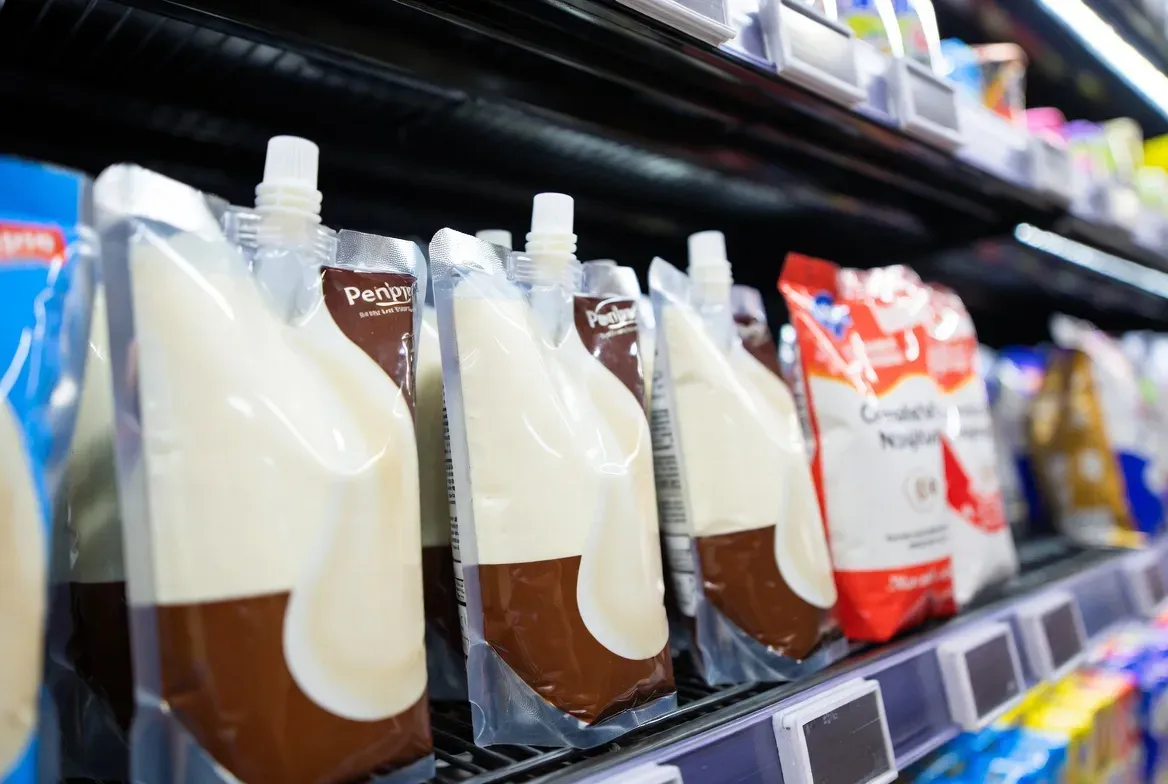
Opaque pouches offer a cleaner visual presentation.
Advantages include:
- sharper printing quality
- stronger color contrast
- more uniform shelf display
Matte or metallic finishes can also create a more premium brand appearance.
Consumer blind tests suggest that shoppers may be willing to pay 10–20% more for opaque packaging when freshness and product protection are emphasized.
Transparent vs Opaque Spout Pouches: Which One Should You Choose?
Both packaging types can work for yogurt products, but the right choice depends on your product positioning and distribution strategy.
Choose Transparent Spout Pouches If:
- Yogurt shelf life is 45 days or less
- Strong cold chain control is guaranteed
- Your marketing emphasizes visible ingredients
- The product targets young or online-focused consumers
Typical example: Greek yogurt with visible fruit pieces.
Choose Opaque Spout Pouches If:
- You require a 90+ day shelf life
- Distribution includes long-distance shipping or export markets
- You want lower return rates and higher transport stability
- Your brand positioning focuses on premium quality
Typical example: functional yogurt, probiotic yogurt, or export dairy products.
Why More Yogurt Brands Are Switching to Opaque Spout Pouches
Although opaque structures cost 20–35% more in material, many mid-to-high-end yogurt brands are transitioning to them because they offer:
- longer shelf life
- improved product stability
- fewer quality complaints
- stronger shelf presentation
In many cases, the reduction in product loss and returns more than offsets the higher packaging cost.
Conclusion
Choosing the right spout pouch structure for yogurt packaging is not only a design decision but also a product protection strategy.
Transparent pouches provide visibility and a natural appearance, but they offer limited barrier protection. Opaque pouches deliver stronger barrier performance, longer shelf life, and improved transport reliability.
For yogurt brands aiming for premium positioning, wider distribution, or extended shelf life, opaque high-barrier structures are increasingly becoming the preferred solution.
About GQ PACK

GQ PACK is a specialized custom flexible food packaging manufacturer focused on spout pouch solutions for dairy, beverage, and food brands worldwide. With strong expertise in barrier structures for sensitive products such as yogurt, GQ PACK supports brands in optimizing shelf life, transport reliability, and shelf presentation.
For B2B customers, the company offers comprehensive, flexible food packaging customization services, including material structures, spout specifications, printing design, and pouch formats tailored to specific product requirements.