EN
EN  DE
DE  FR
FR  RU
RU  AR
AR  ES
ES  JA
JA 
For yogurt manufacturers, packaging material selection in B2B procurement is a critical decision that directly impacts shelf life, product stability, and overall production costs.
Among high-barrier materials, Boil‑grade VMPET and standard VMPET, pure aluminum foil are widely used, yet their performance differences are often misunderstood.
As a professional flexible food packaging manufacturer, I will explain the differences in their performance characteristics and assist you in selecting the appropriate materials based on your yogurt processing conditions.
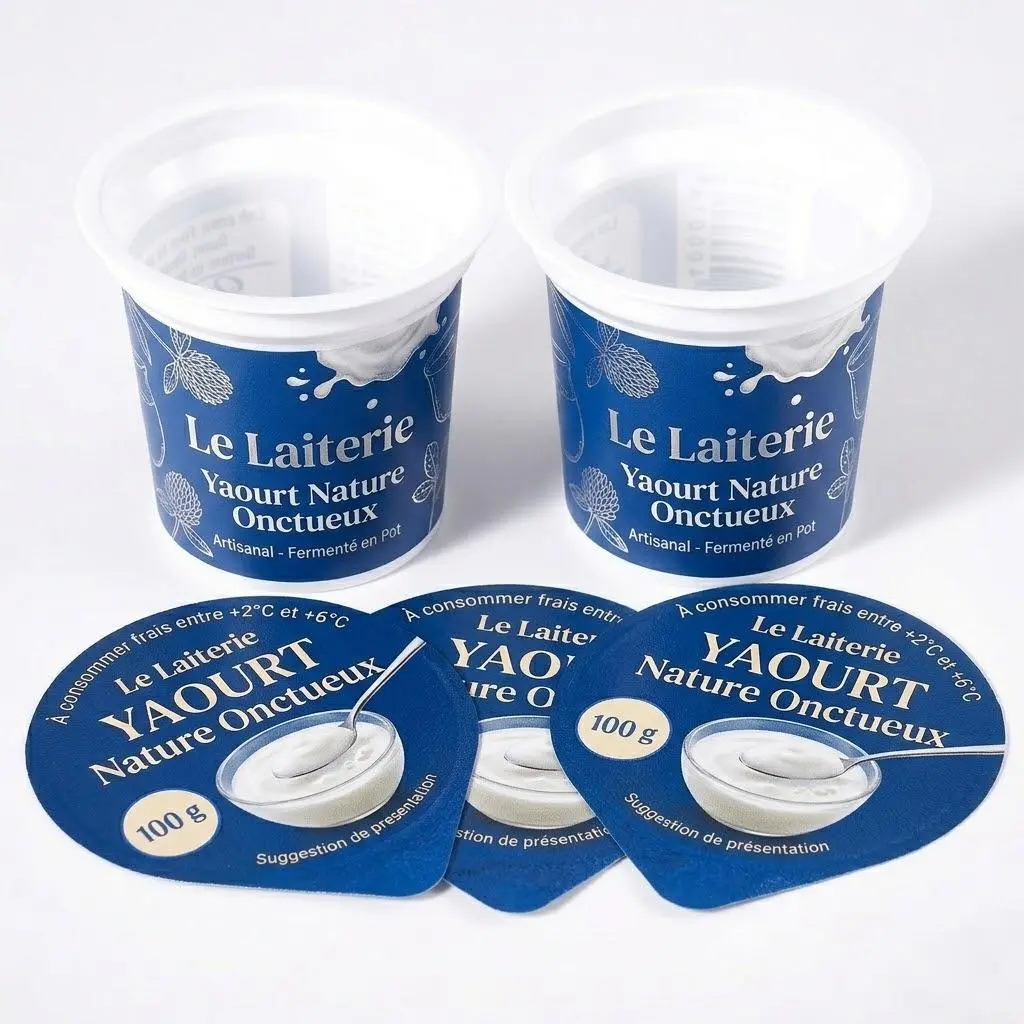
VMPET vs. Aluminum Foil: Key Differences
Structure
- VMPET: A thin aluminum layer (~0.03–0.05 μm) vacuum-deposited onto PET film
- Aluminum Foil: Rolled metal sheet, typically 6–30 μm thick
Barrier Performance
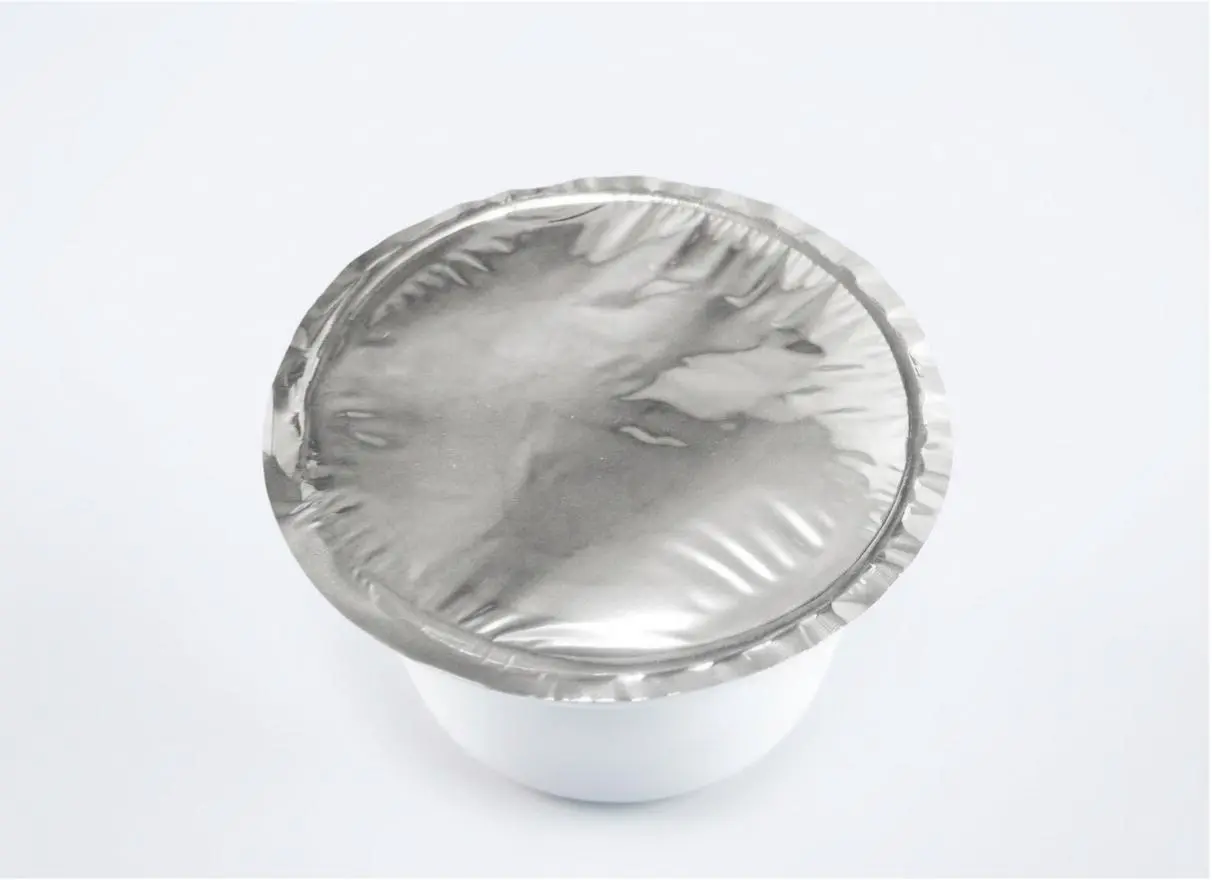
- Aluminum Foil: Near-total barrier to oxygen, moisture, and light
- VMPET: High barrier, but contains microscopic pinholes—oxygen permeability is higher than foil
Mechanical Properties
- Aluminum Foil: Prone to cracking and pinholes under flexing
- VMPET: Flexible, strong, and resistant to handling damage
Appearance & Cost
- VMPET: Metallic shine, semi-reflective, cost-effective
- Aluminum Foil: Fully opaque, premium feel, higher cost
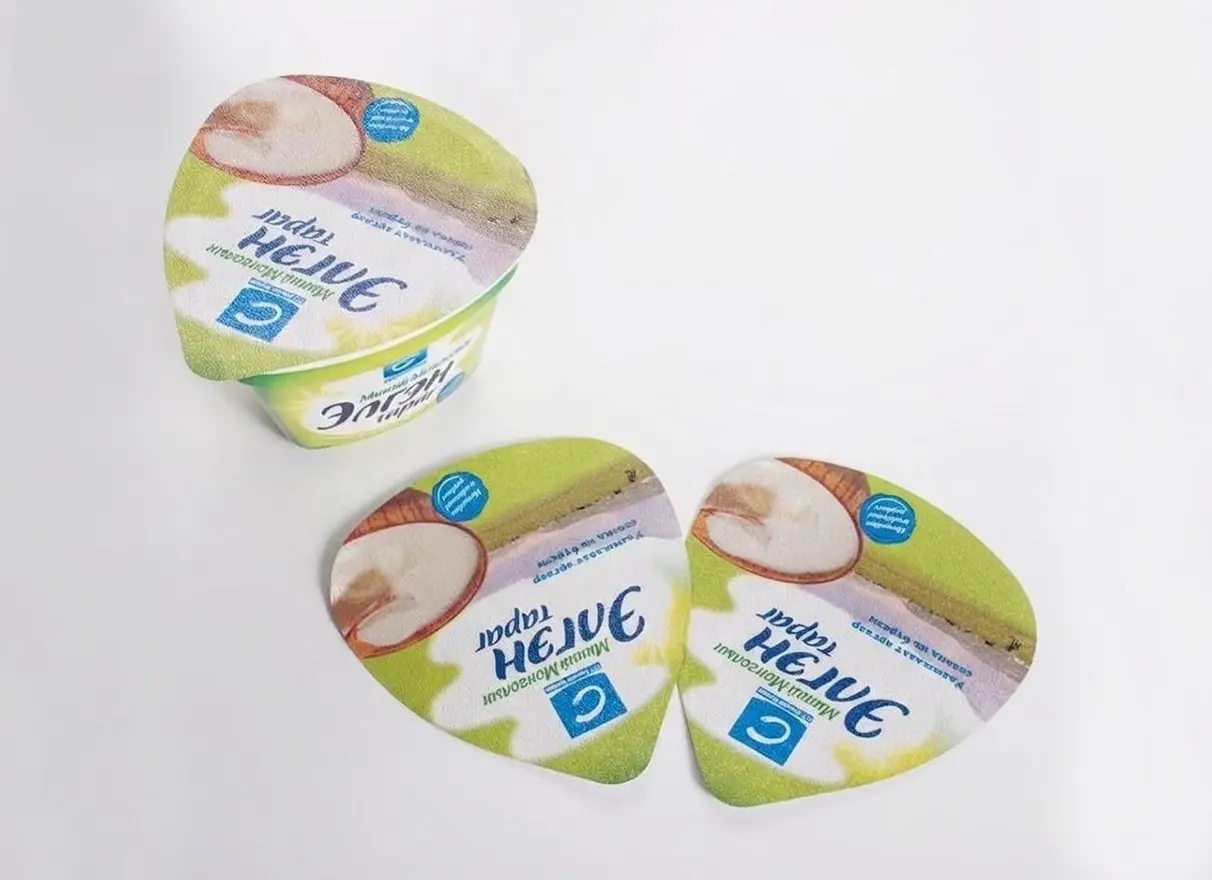
Critical Distinction: Boil-Grade vs. Standard VMPET
This is the most important factor in yogurt packaging selection.
Standard VMPET
- Designed for dry or ambient applications
- Cannot withstand high-temperature, high-humidity environments
- At temperatures above ~85°C, the aluminum layer oxidizes and delaminates
- Results: dull appearance, bubbling, structural failure
Boil-Grade VMPET
- Engineered for wet heat processing (pasteurization/boiling)
- With special coatings and modified substrates
- Withstands 85–100°C for 30–40 minutes
- Maintains adhesion, appearance, and barrier integrity
Application Boundary
- Standard VMPET → Cold-chain yogurt or non-thermal applications
- Boil-grade VMPET → Post-filling pasteurization or hot-fill processes
Key Performance Indicator
Adhesion strength after heat treatment: critical to prevent delamination
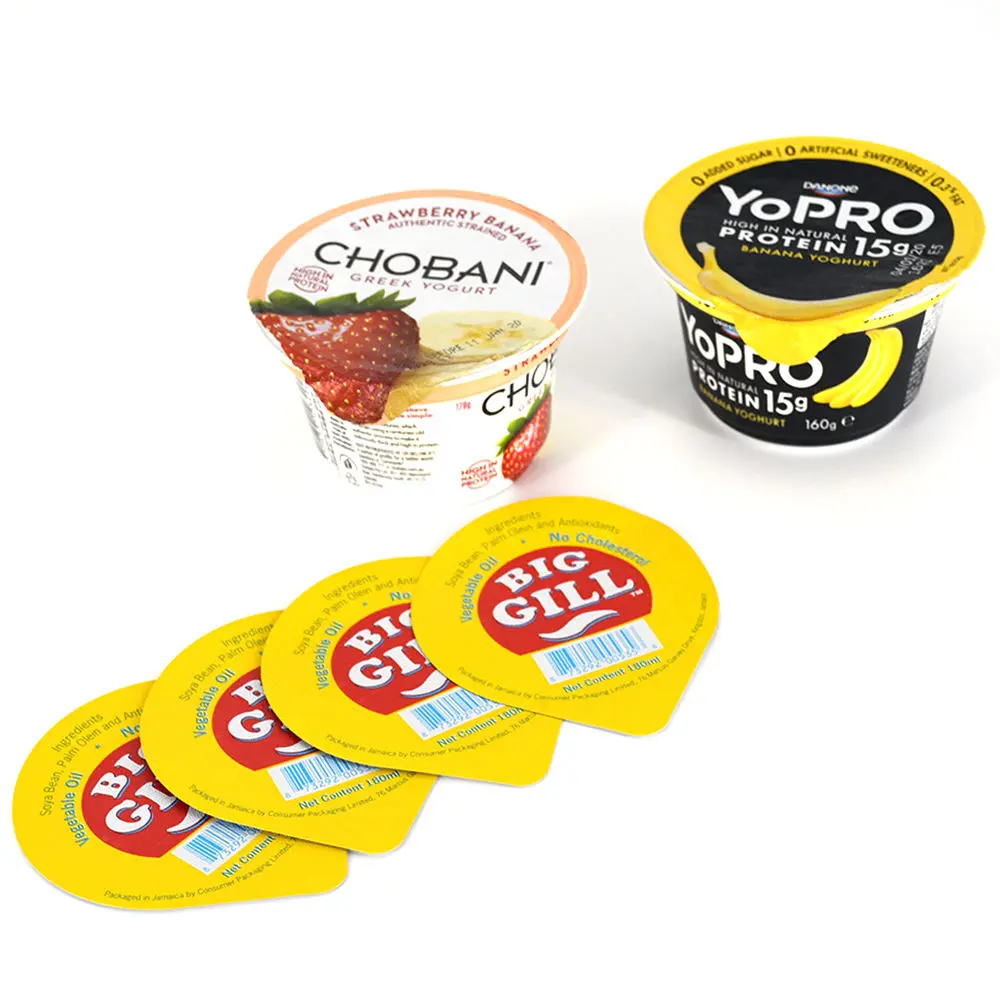
Matching Yogurt Production Methods with Packaging Materials
Choosing the right packaging material depends primarily on whether the yogurt undergoes heat treatment after filling. Below is a practical guide to selecting between standard VMPET, pasteurization-resistant (boil-grade) VMPET, and aluminum foil laminates.
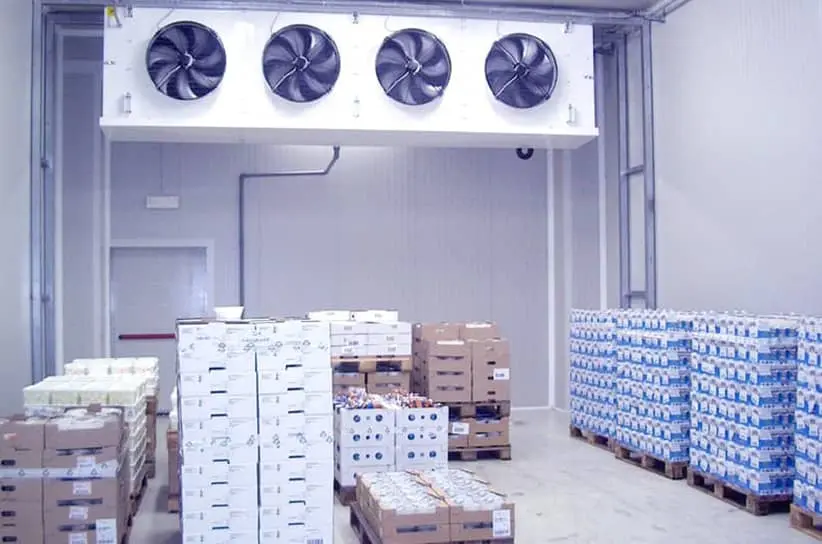
Cold-Chain Yogurt (No Post-Filling Heat Treatment)
- Process: Fermentation → filling → refrigerated storage
- Temperature Exposure: No high heat after packaging
Recommended Material: Standard VMPET
Reason:
- No exposure to heat or moisture
- Cost-effective solution
- Sufficient barrier for short shelf life (3–4 weeks)
Post-Filling Pasteurized Yogurt
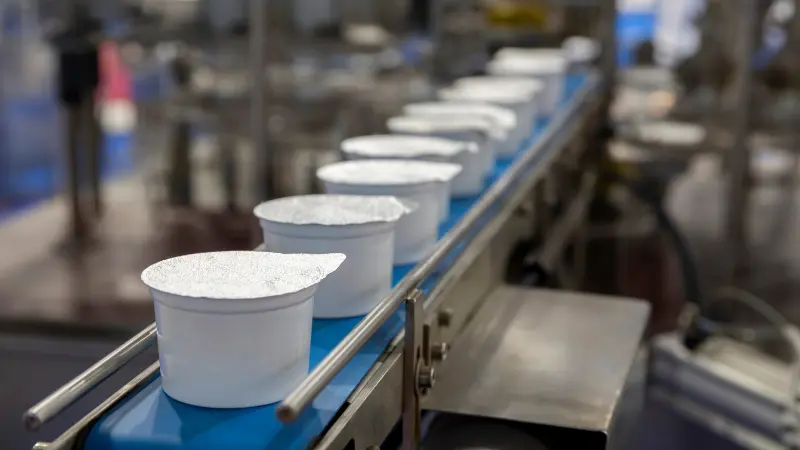
- Process: Fermentation → filling → pasteurization (60–65°C for ~30 minutes)
- Temperature Exposure: Moderate heat + high humidity
Recommended Materials: Pasteurization-resistant (boil-grade) VMPET / Aluminum foil laminates
Reason:
- Standard VMPET will delaminate and lose barrier properties
- Boil-grade VMPET maintains adhesion and appearance
- Aluminum foil provides higher barrier for extended shelf life
Hot-Fill Yogurt
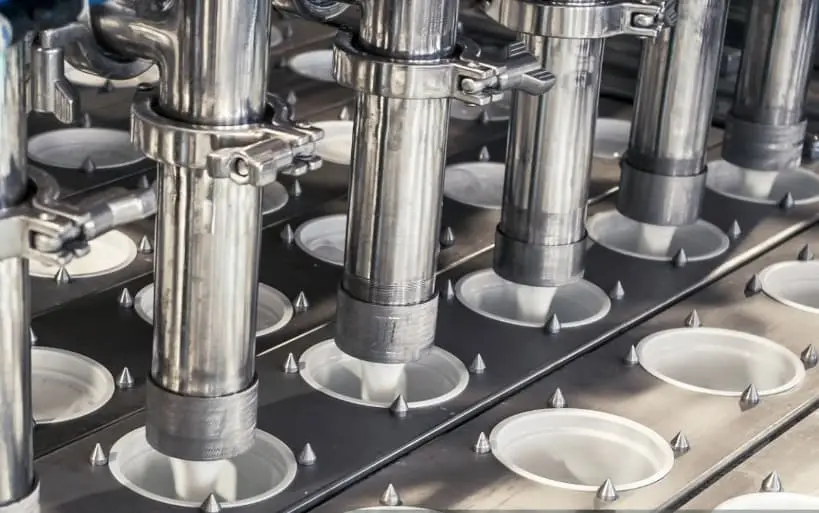
- Process: Product filled at 70–90°C → cooling
- Description: The product is filled while still hot to reduce microbial contamination.
- Features: Requires heat-resistant packaging
Recommended Materials: Boil-grade VMPET / Aluminum foil laminates
Reason:
- Packaging must withstand thermal shock and heat
- Requires stable lamination and sealing performance
Limitations of Each Material
Standard VMPET
Limitations:
- Cannot withstand any post-filling heat treatment
- The aluminum layer is highly sensitive to heat and humidity
- Risk: aluminum layer degradation, contamination, visual defects
Cost Level:(Low)
- One of the most cost-effective high-barrier options
- Ideal for price-sensitive, high-volume cold-chain products
Other Considerations
- Limited shelf-life performance (typically 2–4 weeks for yogurt)
- Not suitable for export markets requiring longer shelf stability
Boil-Grade VMPET
Limitations:
- Suitable for pasteurization
- Not suitable for high-temperature retort (≥121°C)
- Risk: Low-quality materials may still exhibit reduced adhesion after repeated heat exposure.
Cost Level: (Medium)
- Typically 10–30% higher than standard VMPET
- Still significantly more economical than aluminum foil structures
- Offers a good balance between cost and performance
Other Considerations
- Suitable for pasteurization (60–95°C), but not for long-term ambient storage
- Shelf life is usually limited to weeks to a few months, depending on the structure
Aluminum Foil (Alu Foil Laminates)
Limitations:
- Poor flex resistance → prone to pinholes and micro-cracks
- Requires careful handling during: Converting, Filling, Transportation
- Completely opaque, preventing product visibility
- Risk: Micro-cracks can lead to localized barrier failure
Cost Level: (High)
- Typically 30–80% higher than VMPET structures (depending on thickness and laminate design)
- Higher material and processing costs
Other Considerations
- Excellent for long shelf life (6–12+ months)
- Suitable for oxygen-sensitive, light-sensitive products
- Heavier material → higher logistics cost
Our Packaging Solutions – GQ PACK
As a professional flexible food packaging manufacturer and cup sealing film manufacturer, we don’t offer one-size-fits-all materials—we provide precision-engineered solutions tailored to your process.
For Pasteurized Yogurt (Post-Filling Heat Treatment)
We recommend:
Boil-grade VMPET structures (e.g., BOPP / Boil-grade VMPET / CPP)
- Maintains brightness after pasteurization
- Strong seal integrity
- Stable performance at 65–70°C
For Cold-Chain Yogurt
We provide:
Standard VMPET solutions
- Optimized cost-performance
- Suitable for 3–4 week shelf life
- Ideal for stirred yogurt applications
For Extended Shelf Life & High Barrier Needs
We offer:
Aluminum foil laminate structures
- Enhanced barrier protection
Optimized lamination to reduce pinhole risks
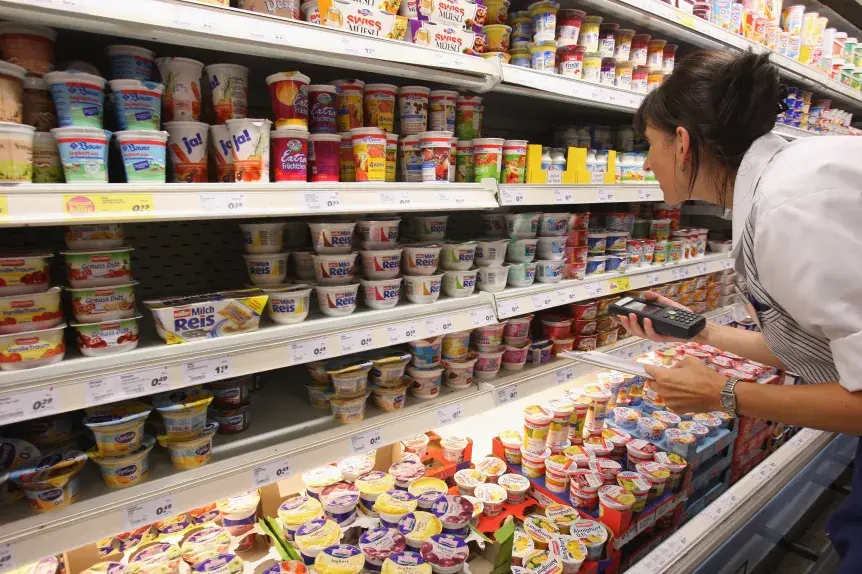
What We Can Offer
Material Selection Reports
Tailored to your equipment, process, and shelf-life goals.
Sample Testing
Compare standard vs. boil-grade VMPET under real heat conditions.
Technical Support
Assistance with heat-sealing parameters and process optimization.
Final Thought
Choosing the wrong material can result in complete packaging failure after just one pasteurization cycle. Work with the right partner to ensure your yogurt packaging is safe, stable, and cost-effective.
Contact us today to get a customized solution for your production line.
About GQ PACK
As a trusted cup sealing film manufacturer and flexible food packaging manufacturer, GQ PACK has been delivering reliable, customized packaging solutions since 2008.
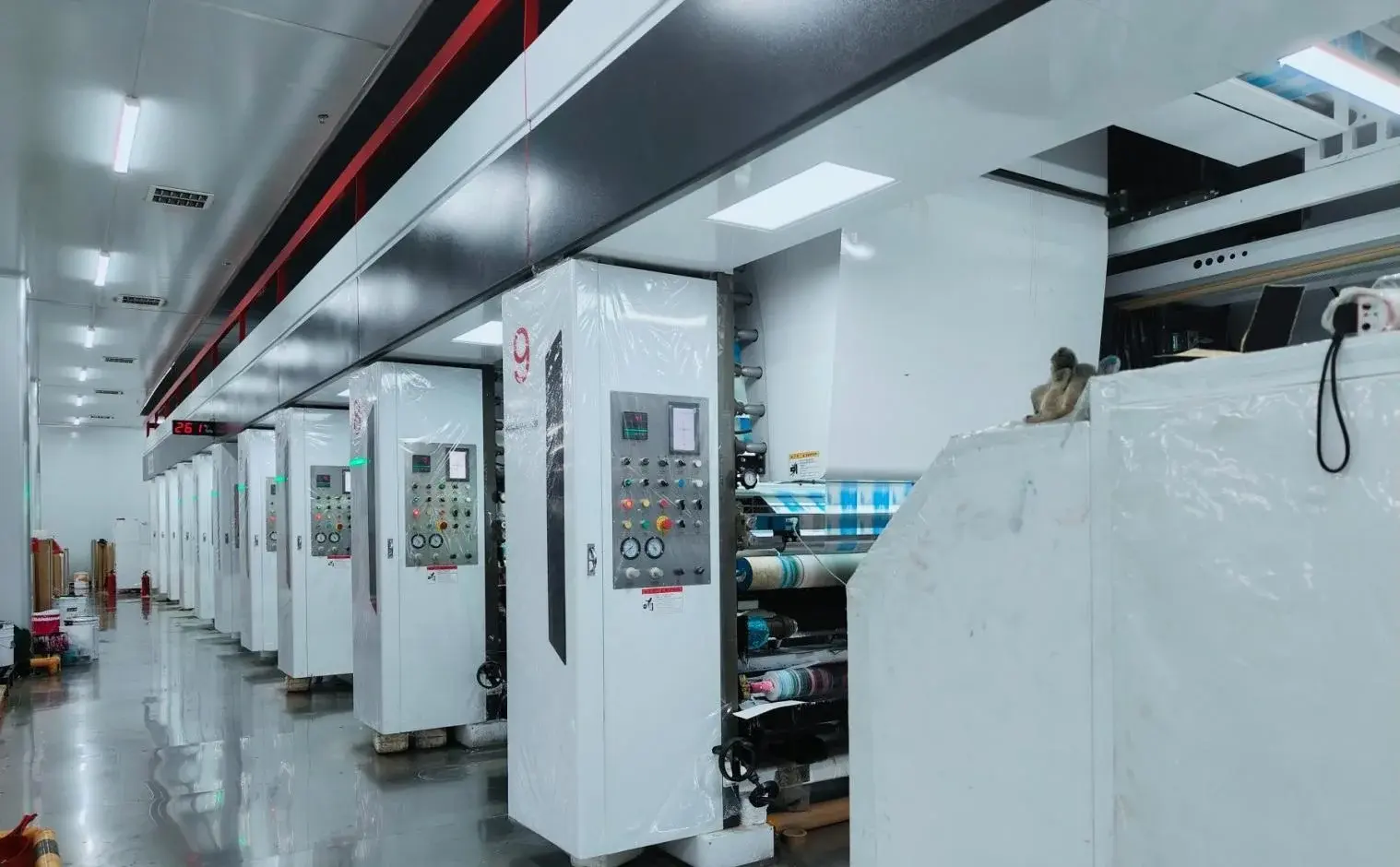
Based in Guangdong, China, we specialize in high-performance flexible packaging for the food and beverage industry, including yogurt applications. With advanced high-speed printing and laminating lines, along with a skilled technical team, we ensure consistent quality from material selection to final production.
Our products meet international standards with certifications such as ISO9001, SGS, FDA, and TÜV, and are designed to support different processing needs—from cold-chain packaging to pasteurization-resistant and high-barrier structures.