EN
EN  DE
DE  FR
FR  RU
RU  AR
AR  ES
ES  JA
JA 
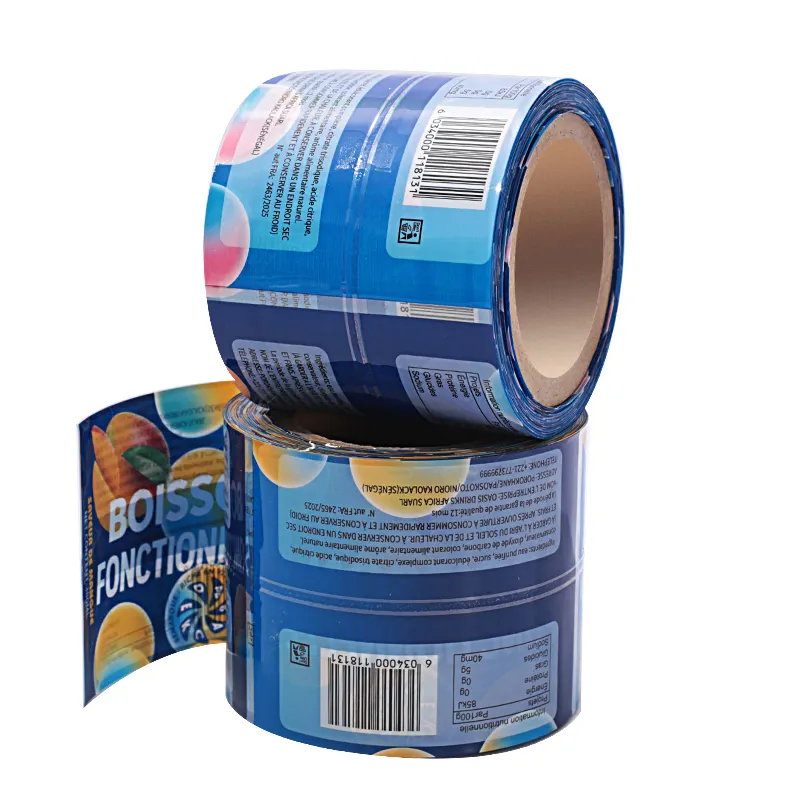
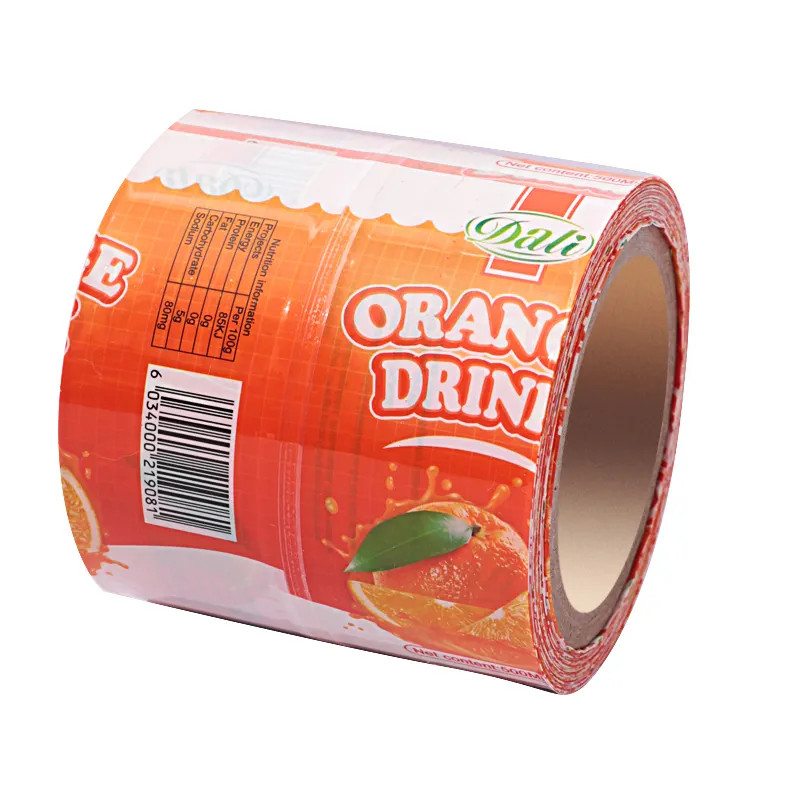
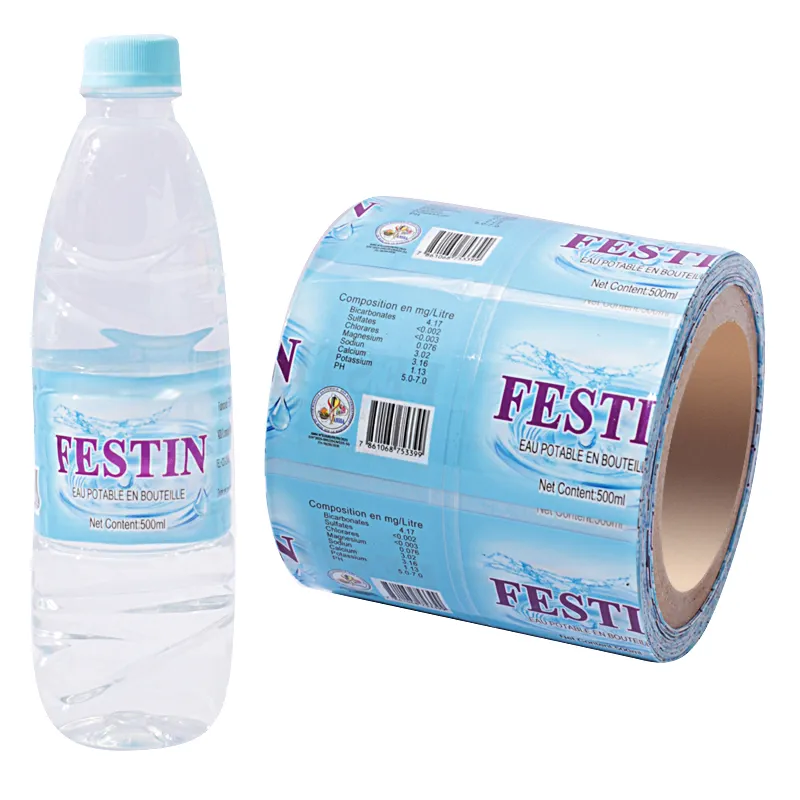
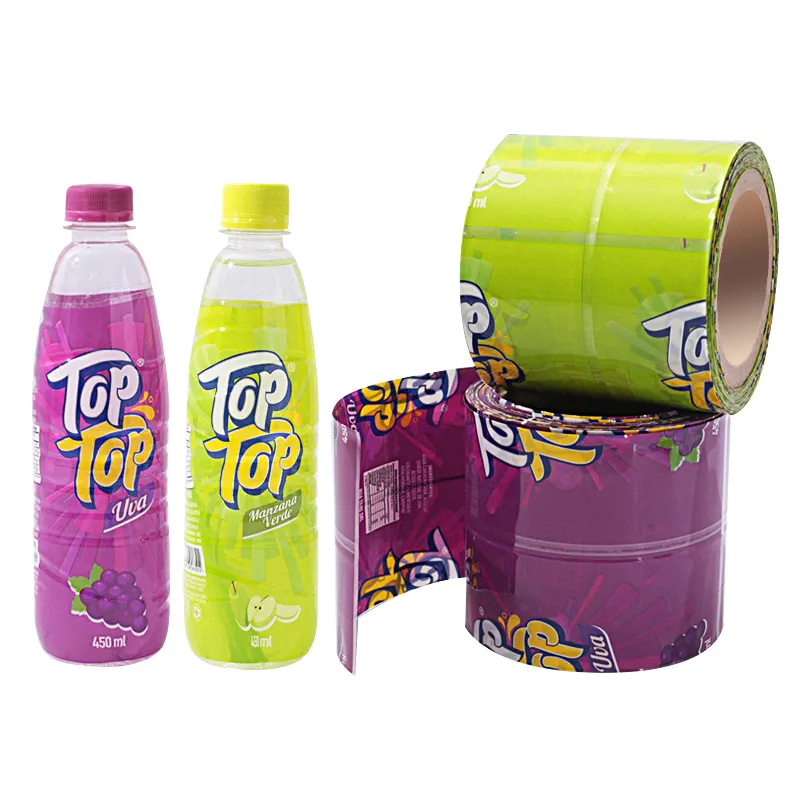
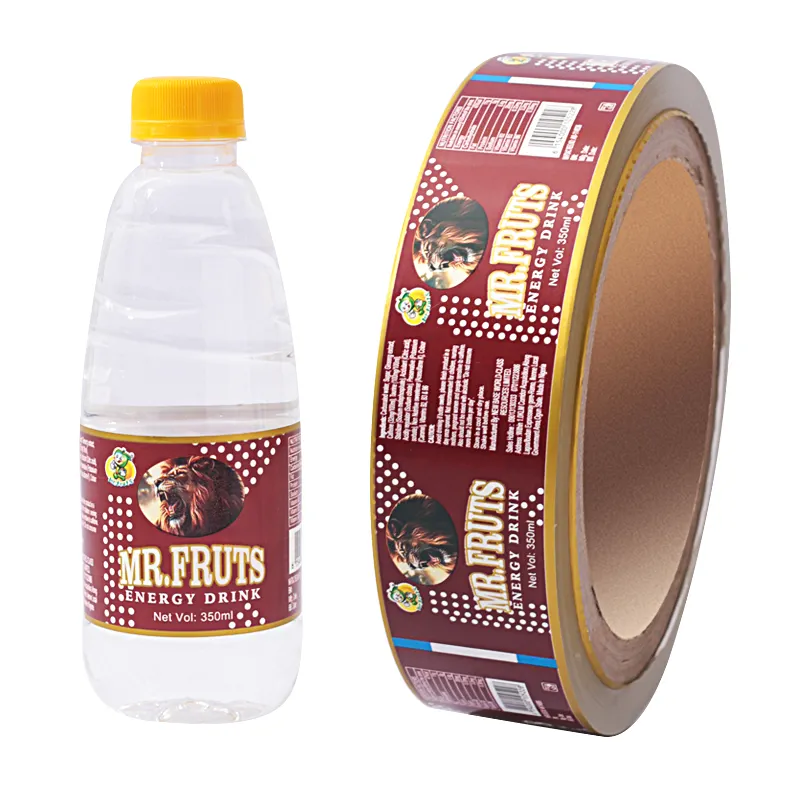
In the competitive landscape of global retail, packaging is no longer just a protective vessel; it is a high-performance marketing tool. Shrink sleeve labels have emerged as the gold standard for brands seeking 360-degree graphics and complex container coverage.
However, achieving high-quality shrink sleeve packaging depends heavily on choosing the right printing method. Different printing techniques offer distinct advantages in cost, image quality, speed, and customization flexibility.
For brand owners, wholesalers, and packaging buyers sourcing from a professional custom shrink sleeve label manufacturer, understanding these printing methods is critical for making cost-effective and performance-driven purchasing decisions.
In this guide, we’ll explore the four major printing techniques used in shrink sleeve label production: offset printing, flexographic printing, digital printing, and hot stamping, helping you determine which option best suits your packaging requirements.
Why Printing Technology Matters for Shrink Sleeve Labels
Shrink sleeve labels are more technically demanding than traditional pressure-sensitive labels due to the shrinking process they undergo during application. Poor print quality or improper ink adhesion can result in:
- Distorted graphics after heat shrinking
- Color inconsistency across production batches
- Cracking or peeling during application
- Weak shelf presentation
Therefore, selecting the right printing process directly impacts:
- Visual Quality: Sharpness, gradient transitions, and color vibrancy determine shelf attractiveness.
- Production Efficiency: Certain methods are better for mass production, while others suit short runs.
- Cost Structure: Plate-making, setup fees, and unit costs vary significantly.
- Customization Flexibility: SKU diversification and seasonal packaging require agile printing methods.
Selecting a reliable shrink sleeve label supplier can help buyers choose the most suitable printing solution based on project specifications.
Offset Printing for Shrink Sleeve Labels
Offset printing is a traditional, high-precision printing process commonly used for premium shrink sleeve label applications.
How Offset Printing Works
Offset printing transfers ink from a plate to a rubber blanket and then onto the shrink sleeve film substrate.
This indirect transfer method ensures exceptional print accuracy and consistency.
Advantages of Offset Printing
Superior Print Quality:
- Extremely sharp image reproduction
- Fine detail rendering
- Smooth gradients
- Excellent color accuracy
Cost Efficiency for Large Orders: Although setup costs are high, offset becomes economical in large-volume runs.
Consistent Batch Reproduction: Color consistency remains highly stable over extended production runs.
Limitations of Offset Printing
- High plate-making/setup costs
- Less suitable for short production runs
- Longer preparation times
Best Applications
Offset printing is ideal for:
- Beverage shrink sleeves
- Cosmetic packaging
- Luxury skincare labels
- Large-scale FMCG production
Flexographic Printing for Shrink Sleeve Labels
Flexographic printing, or flexo printing, is one of the most commonly used methods in the label and flexible packaging industry.
How Flexographic Printing Works
Flexo uses flexible relief plates and fast-drying inks to print directly onto shrink sleeve films.
Advantages of Flexographic Printing
High-Speed Production
Flexo is highly efficient for:
- Large-volume orders
- Fast turnaround manufacturing
Versatile Material Compatibility
It works well with:
- PETG
- PVC
- OPS
- PLA shrink films
Lower Cost for Mid-to-High Volumes
Compared to offset, flexo often provides a better balance between setup cost and production efficiency.
Limitations of Flexographic Printing
- Slightly lower resolution than offset
- Fine gradients may be less smooth
- Plate replacement required for design changes
Best Applications
Flexographic printing is ideal for:
- Beverage bottles
- Household chemical packaging
- Bulk food packaging
- Standard retail products
Most shrink sleeve label suppliers recommend flexo for recurring high-volume B2B packaging orders.
Digital Printing for Shrink Sleeve Labels
Digital printing has rapidly grown in popularity due to its flexibility and speed.
How Digital Printing Works
Digital printing directly transfers digital artwork onto the substrate without printing plates.
Advantages of Digital Printing
No Plate Costs
This eliminates expensive setup fees.
Perfect for Short Runs
Digital is highly cost-effective for:
- Small batch production
- Test market packaging
- Seasonal promotions
- Startup brands
Fast Turnaround
Production can begin immediately after file approval.
Variable Data Printing
It supports:
- QR codes
- Unique serial numbers
- Personalized packaging
- Regional customization
Limitations of Digital Printing
- Higher unit cost for large runs
- Slightly limited color range vs offset
- Slower than flexo for mass production
Best Applications
Digital printing is ideal for:
- Limited edition packaging
- Promotional campaigns
- Prototype packaging
- Multi-SKU small orders
Some custom shrink sleeve label manufacturers often offer digital printing services for brands needing flexible MOQ solutions.
Hot Stamping for Premium Shrink Sleeve Decoration
Hot stamping is not a standalone printing method but rather a finishing process used to enhance visual appeal.
How Hot Stamping Works
A heated die transfers metallic foil or pigment onto the shrink sleeve surface under pressure.
Advantages of Hot Stamping
Luxury Visual Appeal
Creates:
- Metallic gold/silver effects
- Reflective branding accents
- Premium decorative finishes
Enhanced Shelf Differentiation
Products gain a more upscale appearance.
Brand Perception Improvement
Frequently used in high-end packaging markets.
Limitations of Hot Stamping
- Additional production step
- Higher cost
- Best for decorative accents rather than full-print coverage
Best Applications
Hot stamping is ideal for:
- Cosmetics Perfume packaging
- Premium beverages
- Luxury gift packaging
Comparison of Shrink Sleeve Printing Methods
| Printing Method | Print Quality | Setup Cost | Unit Cost | Best for Volume | Turnaround Time | Customization |
|---|---|---|---|---|---|---|
| Offset | Very High | High | Low (large runs) | Large | Moderate | Medium |
| Flexographic | High | Medium | Low | Medium-Large | Fast | Medium |
| Digital | High | Very Low | High | Small | Very Fast | Very High |
| Hot Stamping | Decorative | Medium | Medium-High | Specialty | Moderate | Low |
How to Choose the Right Printing Method for Your Shrink Sleeve Project
Choosing the right printing technology depends on several factors:
Order Quantity
- Large orders: Offset/Flexo
- Small orders: Digital
Budget
- Tight budget for high volume: Flexo
- Premium branding budget: Offset/Hot stamping
Design Complexity
- Intricate graphics: Offset/Digital
- Metallic effects: Hot stamping
Time Sensitivity
- Fast launch needed: Digital
Working with an experienced shrink sleeve label manufacturer ensures buyers receive expert guidance on selecting the most efficient production method.
Why Partner with GQ PACK – a Professional Shrink Sleeve Label Manufacturer
Not all suppliers can deliver consistent print quality across multiple technologies. Partnering with us offers you:
- Advanced multi-process printing capabilities
- OEM/ODM design customization
- Strict color and quality control systems
- Material and ink compatibility testing
- Bulk production scalability
- International export compliance
As an established wholesale supplier of shrink sleeve labels, we are able to recommend the optimal combination of printing technologies, film materials, and post-processing techniques to align with your specific packaging objectives.
Conclusion
Shrink sleeve labels offer unmatched branding potential, but the final packaging result heavily depends on selecting the correct printing technique.
To summarize:
- Offset printing delivers superior premium quality for large-scale high-end production.
- Flexographic printing offers excellent speed and efficiency for mass-market packaging.
- Digital printing provides flexibility and cost-effectiveness for short runs and customization.
- Hot stamping adds luxurious decorative enhancement for premium products.
Understanding these differences allows packaging buyers and brand owners to make smarter sourcing decisions and maximize packaging ROI.
If you are seeking a reliable custom shrink sleeve label manufacturer for OEM, wholesale, or tailored packaging solutions, partnering with an experienced supplier can help you optimize both cost and branding performance.
FAQ
What is the best printing method for shrink sleeve labels?
The best method depends on your needs. Offset suits premium large-volume production, flexo is best for mass-market efficiency, digital works for short runs, and hot stamping enhances premium aesthetics.
Is digital printing good for shrink sleeve labels?
Yes, digital printing is excellent for small orders, rapid prototyping, and personalized packaging.
Why is flexographic printing popular for shrink sleeves?
Because it offers fast production speed, low unit costs, and compatibility with many shrink sleeve materials.
Can shrink sleeve labels have metallic finishes?
Yes, metallic finishes can be achieved through hot stamping or specialty metallic inks.
Which shrink sleeve printing method is cheapest?
For high-volume production, flexographic printing usually offers the lowest per-unit cost.