EN
EN  DE
DE  FR
FR  RU
RU  AR
AR  ES
ES  JA
JA 
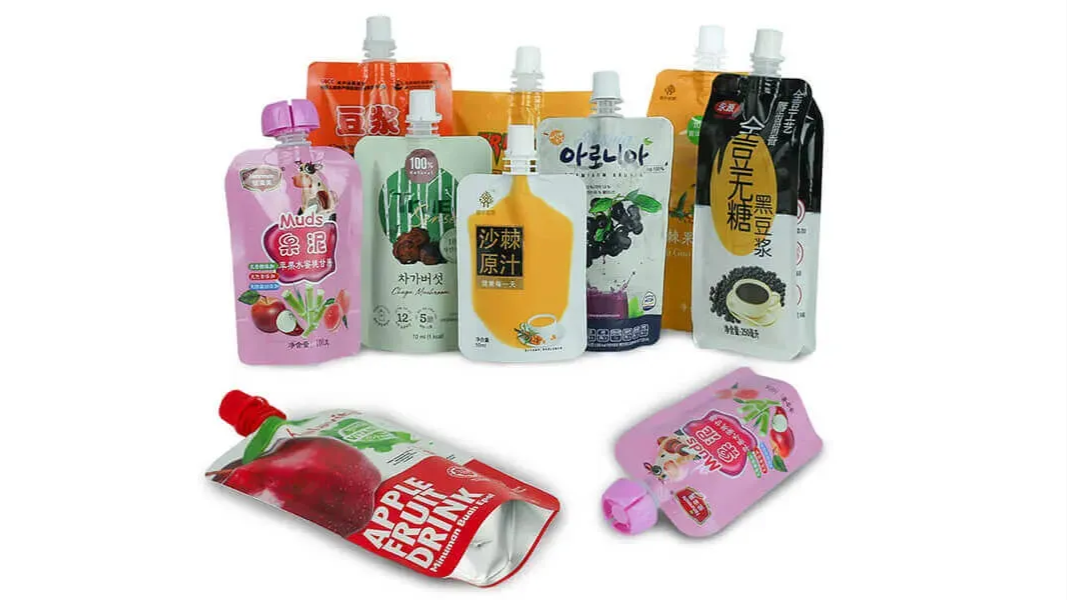
Food-grade spout pouches have become one of the fastest-growing packaging solutions in the food and beverage industry. From baby puree and yogurt to juice, sauces, and liquid supplements, spout pouches provide a lightweight, convenient, and highly functional packaging option for modern brands. As consumer demand for portable and safe packaging continues to rise, more companies are choosing spout pouch packaging to improve user experience while maintaining product freshness.
However, many buyers and consumers still ask important questions: What materials are used in food-grade spout pouches? Are they safe for direct food contact? Can they handle hot liquids? What certifications and compliance standards are required for international markets?
In this article, we will explain the materials, safety requirements, and compliance standards behind food-grade spout pouches, helping brands better understand how safe flexible packaging is manufactured and tested.
What Makes a Spout Pouch “Food-Grade”?
A food-grade spout pouch is a flexible package made from materials that are approved for direct food contact. These materials are specifically designed to prevent contamination, chemical migration, odor transfer, and leakage during storage and transportation.
Unlike ordinary plastic packaging, food-grade pouches must meet strict safety standards and undergo testing to ensure they do not negatively affect the food or beverage inside. The packaging must also provide strong barrier performance against moisture, oxygen, light, and external contaminants.
High-quality food-grade spout pouches typically offer:
- Non-toxic and BPA-free materials
- Strong sealing performance
- Excellent puncture resistance
- Safe contact with acidic or oily foods
- Compatibility with hot-fill or pasteurization processes
- Stable performance during transportation and storage
These features make spout pouches suitable for both retail and industrial food applications.
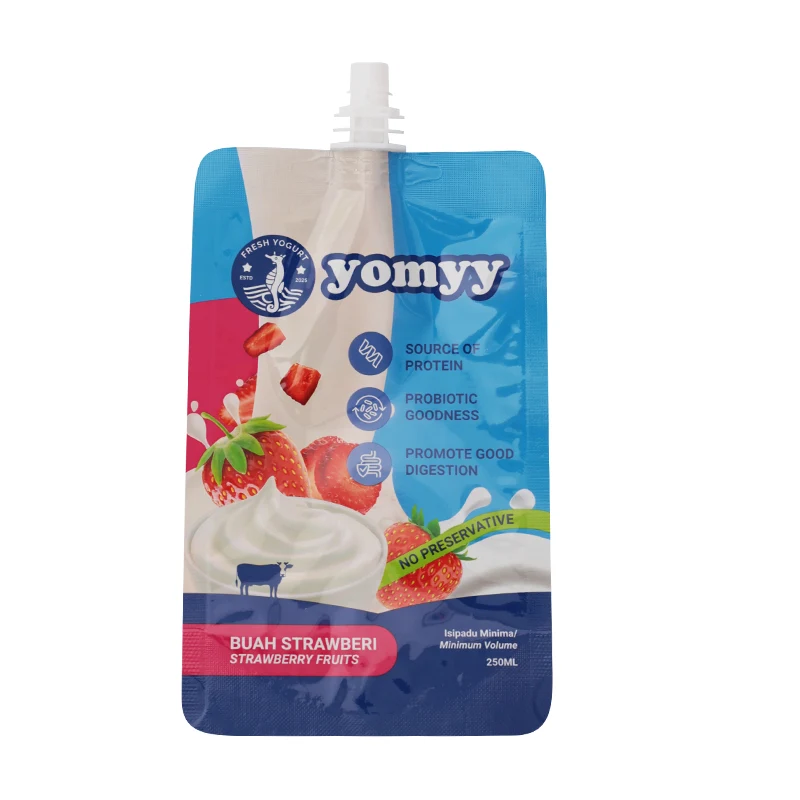
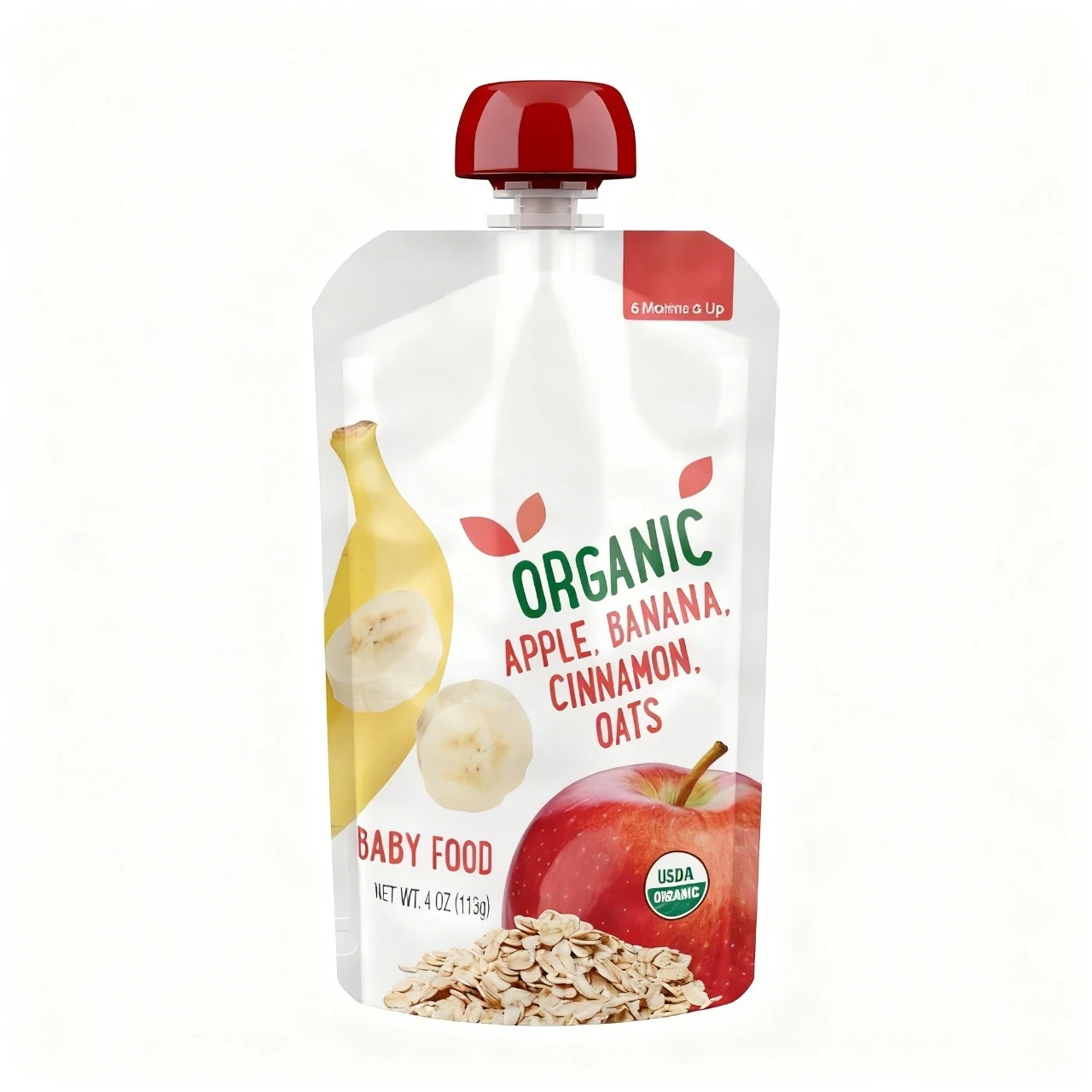
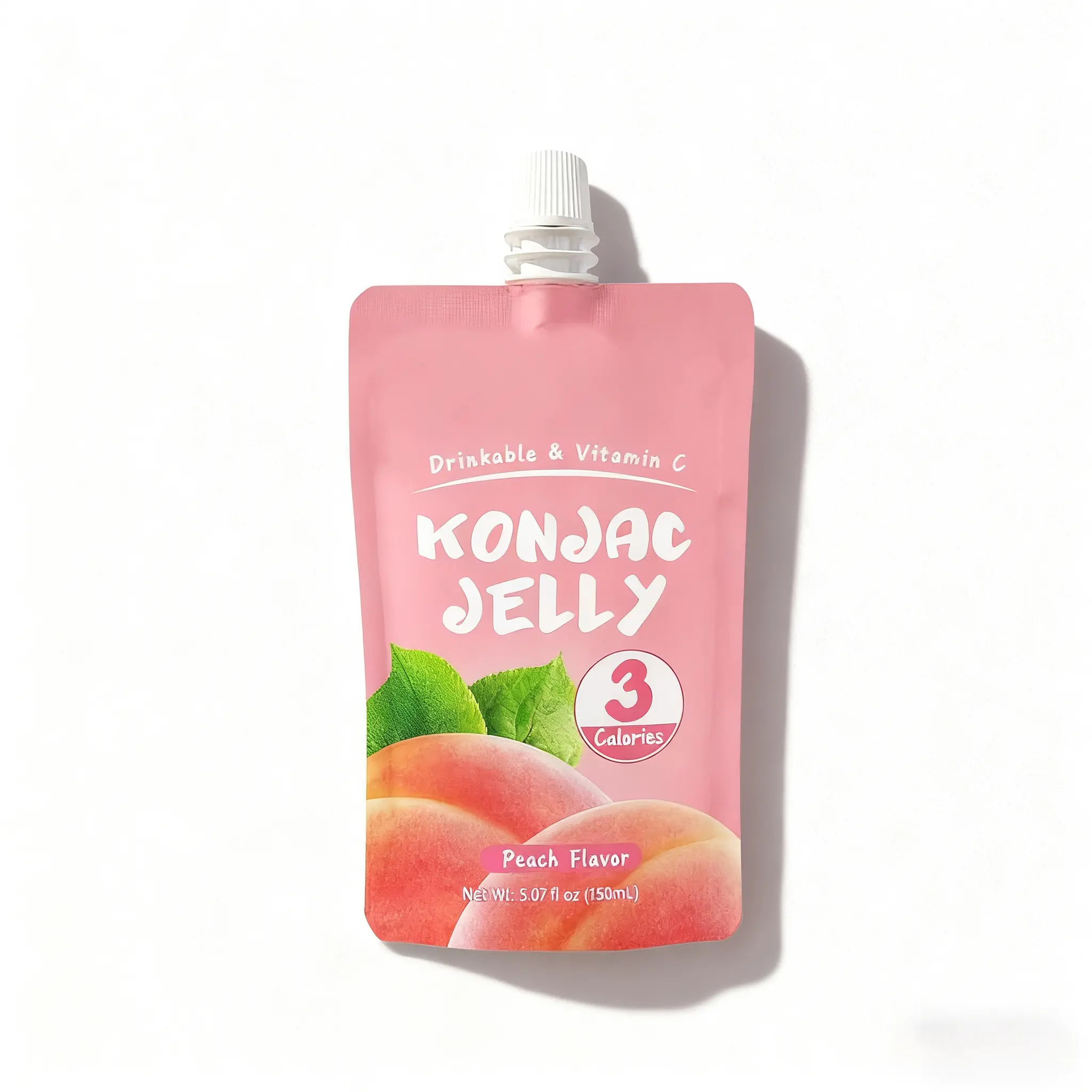
Common Materials Used in Food-Grade Spout Pouches
Food-grade spout pouches are usually made from multiple laminated layers, with each material serving a specific function.
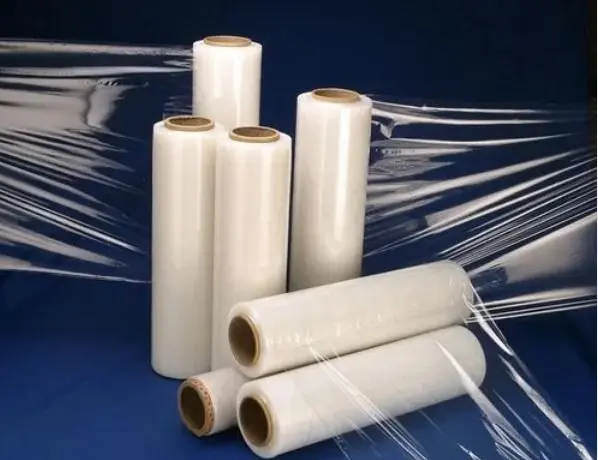
Polyethylene (PE)
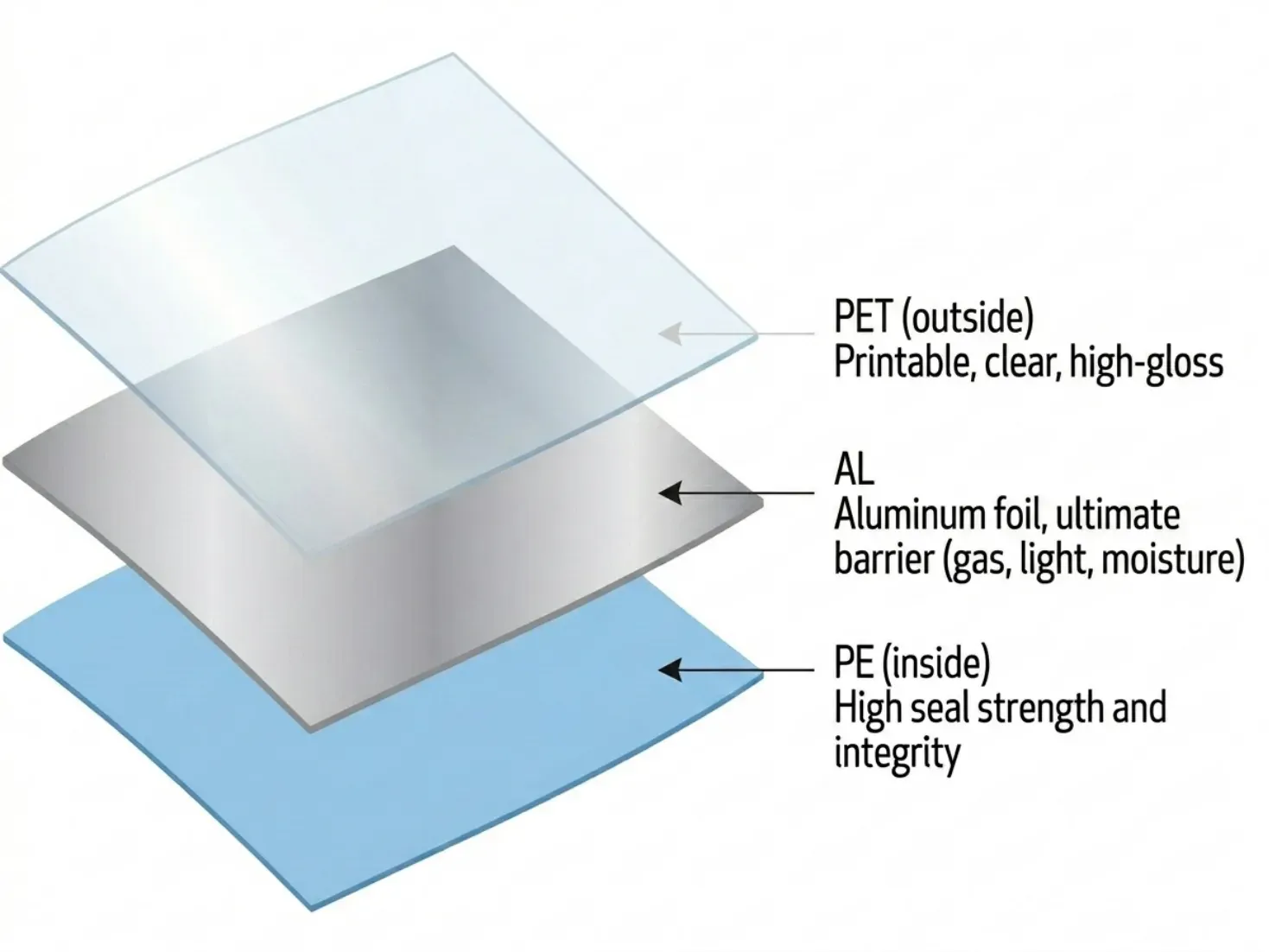
PE is one of the most commonly used inner sealing layers in flexible packaging. It provides excellent sealing performance, flexibility, and food safety. Because PE directly contacts the product inside the pouch, manufacturers must use food-grade resin that complies with international safety standards.
PE is widely used for:
- Juice packaging
- Liquid sauces
- Puree products
- Dairy beverages
Polypropylene (PP)
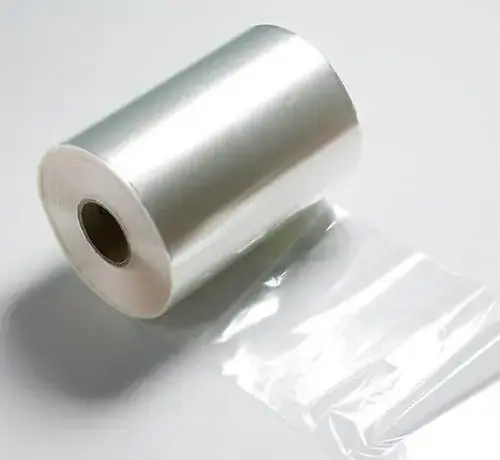
PP offers better heat resistance than many other plastics, making it suitable for hot-fill applications. PP is commonly used in spouts and caps because it maintains structural stability under higher temperatures.
Its advantages include:
- Heat resistance
- Chemical resistance
- Good rigidity
- Safe food-contact performance
PET (Polyethylene Terephthalate)
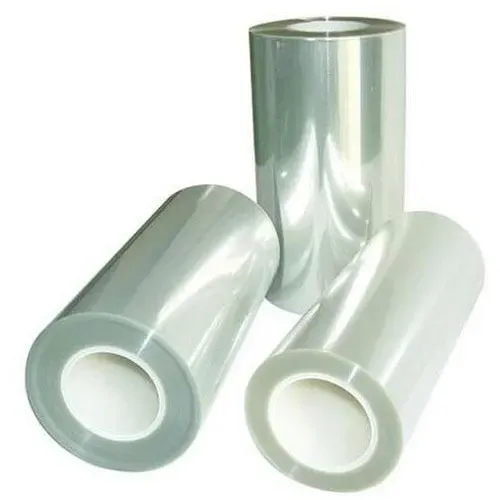
PET is typically used as the outer printing layer of the pouch. It provides strong mechanical strength, excellent print quality, and improved appearance.
Benefits of PET include:
- High transparency or gloss
- Strong durability
- Better puncture resistance
- High-quality graphic printing
Aluminum Foil Layer
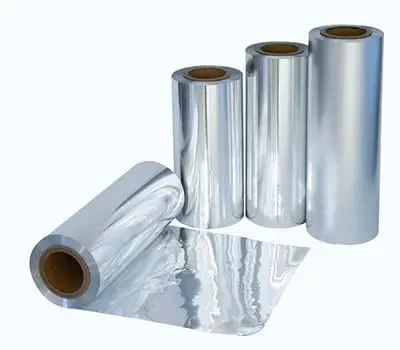
Some food spout pouches require superior barrier protection against oxygen, moisture, and light. In these cases, aluminum foil is added as a middle barrier layer.
Aluminum foil structures are commonly used for:
- Coffee concentrates
- Dairy products
- Baby food
- Nutritional beverages
- Sensitive liquid products
This layer significantly extends shelf life and helps preserve flavor and freshness.
Nylon (PA)
Nylon, also called PA, improves puncture resistance and package toughness. It is particularly useful for products requiring stronger transportation durability.
PA helps:
- Prevent package breakage
- Improve impact resistance
- Enhance structural strength
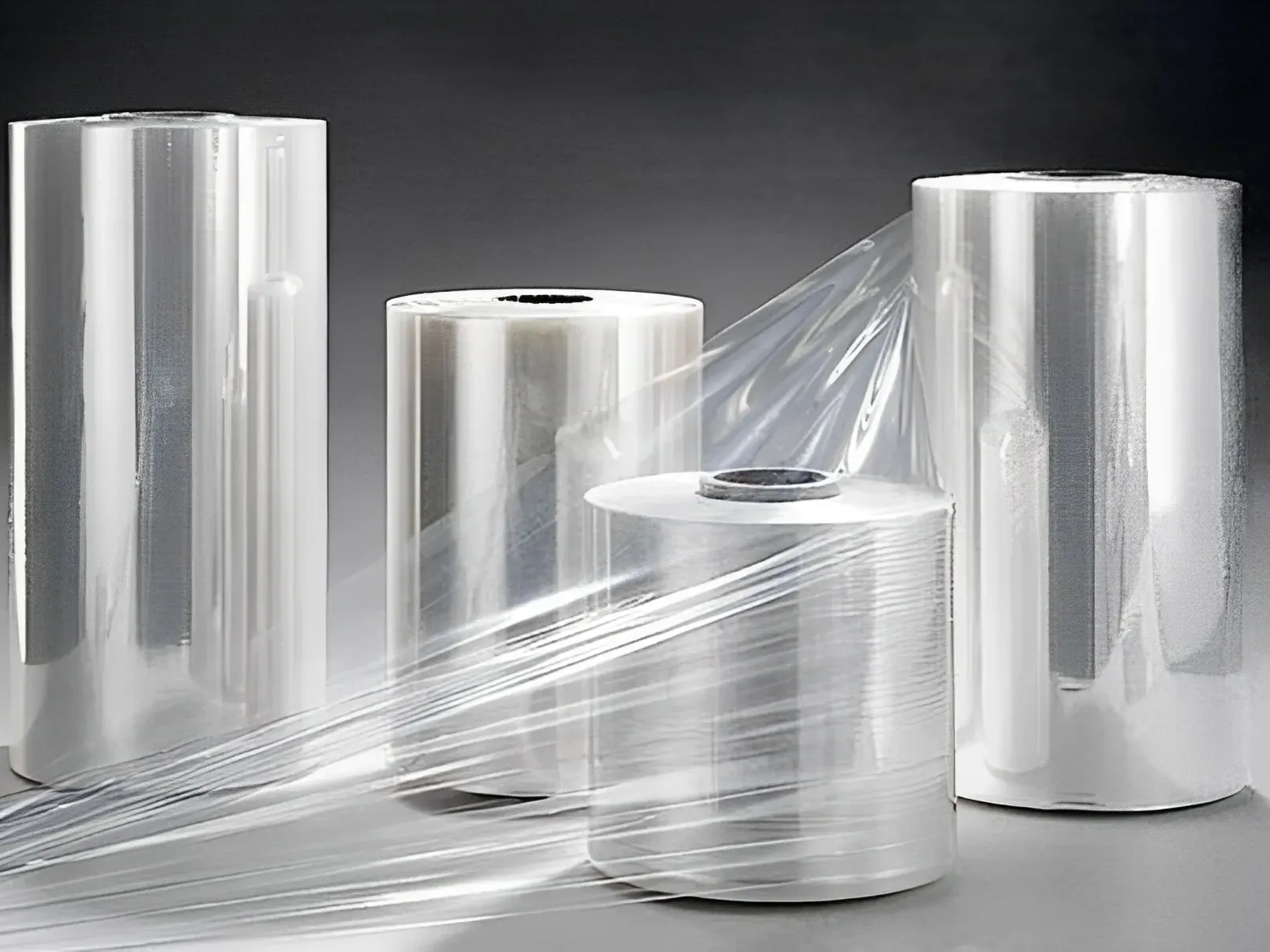
Multi-Layer Lamination Structures
Most food-grade spout pouches combine several materials together to achieve balanced performance. For example:
- PET / AL / PE
- PET / NY / PE
- PET / PE
Each structure is selected based on the product’s filling temperature, shelf-life requirements, and barrier needs.
Understanding Spout and Cap Materials
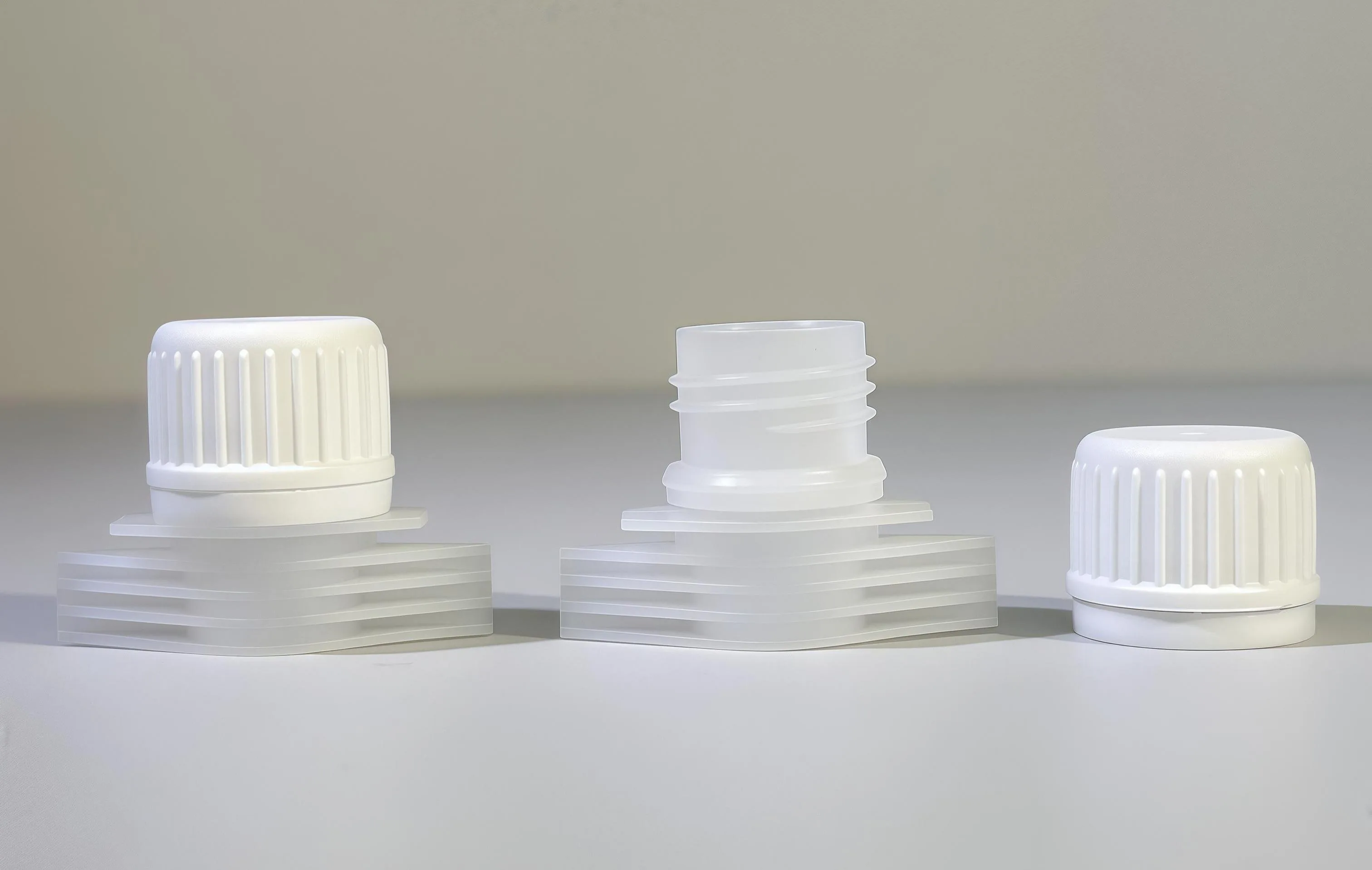
The spout and cap are critical components because they directly contact the food product and control dispensing performance.
Most food-grade spouts are made from PP material due to its excellent heat resistance and safety properties. Caps are often made from PP or HDPE materials to ensure reliable sealing and leak prevention.
Modern spout designs may also include:
- Tamper-evident caps
- Child-resistant closures
- Anti-leak valve systems
- Reclosable caps for repeated use
These features improve both safety and consumer convenience.
Safety Concerns Consumers and Brands Often Ask About
Do Spout Pouches Release Harmful Chemicals?
This is one of the most common concerns regarding flexible packaging. High-quality food-grade spout pouches are manufactured using certified raw materials that undergo migration testing to ensure they do not release harmful substances into food.
Low-quality packaging made from non-certified plastics may present risks, which is why choosing a professional flexible packaging manufacturer is extremely important.
What Does BPA-Free Mean?
BPA-free means the packaging does not contain Bisphenol A, a chemical sometimes associated with certain plastics. Most modern food-grade spout pouches must use BPA-free materials to meet market requirements and consumer expectations, from the perspective of a food-safe flexible food packaging manufacturer.
Can Spout Pouches Handle Hot Liquids?
Yes, many spout pouches are designed for hot-fill applications. However, the temperature resistance depends on the material structure.
Some pouches are suitable for:
- Hot-filled beverages
- Pasteurized products
- Retort sterilization processes
Manufacturers must carefully match material structures with the product’s filling temperature and sterilization method.
Can Packaging Affect Taste or Odor?
Poor-quality materials can sometimes transfer odors or affect product flavor. Professional food-grade pouches use odorless materials and controlled production environments to minimize this risk.
Global Food Packaging Safety Standards and Compliance
Food-grade spout pouches must comply with various international regulations depending on the target market.
FDA Compliance (United States)
For the U.S. market, food-contact packaging materials must comply with FDA regulations. This ensures the materials are safe for direct contact with food and beverages.
EU Food Safety Regulations
The European market follows strict food packaging regulations, including EC No. 1935/2004. Migration testing is often required to confirm packaging safety.
LFGB Certification (Germany)
LFGB is considered one of the strictest food-contact safety standards in Europe. Many buyers prefer LFGB-certified packaging for premium food products.
ISO and BRC Standards
Professional packaging factories often operate under ISO quality systems and BRC packaging standards to ensure:
- Hygienic production
- Product traceability
- Consistent quality control
China GB Standards
Food packaging produced in China must also comply with GB food-contact material standards for domestic and export markets.

Testing Procedures for Food-Grade Spout Pouches
Reliable manufacturers conduct multiple tests before packaging enters the market.
Migration Testing
Checks whether substances migrate from the packaging into food under specific conditions.
Leak and Seal Strength Testing
Ensures the pouch can withstand pressure and transportation without leakage.
Thermal Resistance Testing
Evaluates performance during hot filling, pasteurization, or sterilization.
Barrier Performance Testing
Measures oxygen and moisture transmission rates to evaluate shelf-life protection.
These testing procedures are essential for ensuring long-term food safety and packaging reliability.
Common Industries Using Food-Grade Spout Pouches
Food-grade spout pouches are widely used in many industries, including:
- Beverage packaging
- Baby food packaging
- Dairy products
- Sauce and condiment packaging
- Health supplements
- Pet food packaging
Their lightweight structure, portability, and excellent barrier performance make them ideal for modern consumer markets.
Why Brands Are Switching to Spout Pouches
Compared with rigid containers, spout pouches offer several advantages:
- Lightweight and portable
- Lower transportation costs
- Reduced storage space
- Better shelf presentation
- Convenient pouring and resealing
- Flexible custom printing options
These benefits help brands improve both packaging efficiency and customer experience.
Conclusion
Food-grade spout pouches combine convenience, safety, and strong barrier performance, making them an ideal packaging solution for modern food and beverage products. From material selection and structural design to compliance testing and manufacturing standards, every detail plays an important role in protecting food quality and consumer safety.
As global demand for flexible food packaging continues to grow, choosing a professional flexible packaging manufacturer becomes increasingly important. A reliable manufacturer can provide certified food-grade materials, advanced production technology, and customized packaging solutions that meet international safety standards.
Whether you need juice pouches, baby food packaging, sauce pouches, or custom liquid packaging solutions, working with an experienced flexible packaging manufacturer can help your brand achieve both product safety and market competitiveness.
About GQ PACK
We are a professional food-safe spout pouch manufacturer, providing factory-direct supply to B2B clients worldwide. Committed to customer service, we deliver stable, high-quality packaging solutions for beverages, baby food, sauces, and more.
Our products feature certified food-grade materials, reliable barrier performance, including hot-fill and resealable options. With advanced production technology and strict quality control, we help brands to launch OEM/ODM spout pouches to protect product safety, enhance shelf appeal, and scale efficiently with tailor-made, compliant packaging solutions.