EN
EN  DE
DE  FR
FR  RU
RU  AR
AR  ES
ES  JA
JA 
Today’s beverage market is more competitive than ever, and packaging plays a crucial role in product success. While traditional bottles remain widely used, many beverage brands are exploring spout pouch packaging as a lighter, more cost-effective, and consumer-friendly alternative.
However, there is no one-size-fits-all solution. The ideal packaging depends on your beverage type, target market, logistics requirements, and branding strategy. As an experienced beverage packaging manufacturer, we help beverage brands evaluate packaging from both technical and commercial perspectives. This guide compares spout pouches and bottle packaging to help you determine which option best fits your product.
Understanding the Two Packaging Options
What Is a Spout Pouch?
A spout pouch is a flexible laminated package equipped with a resealable plastic spout and cap. It is commonly manufactured using multi-layer structures such as PET/PE, PET/AL/PE, or recyclable mono-material films, providing excellent barrier protection while remaining lightweight.
Spout pouches are available in capacities ranging from small single-serve packs to large family-size packages, making them suitable for juices, sports drinks, dairy products, coffee concentrates, and other liquid beverages.
What Is Bottle Packaging?
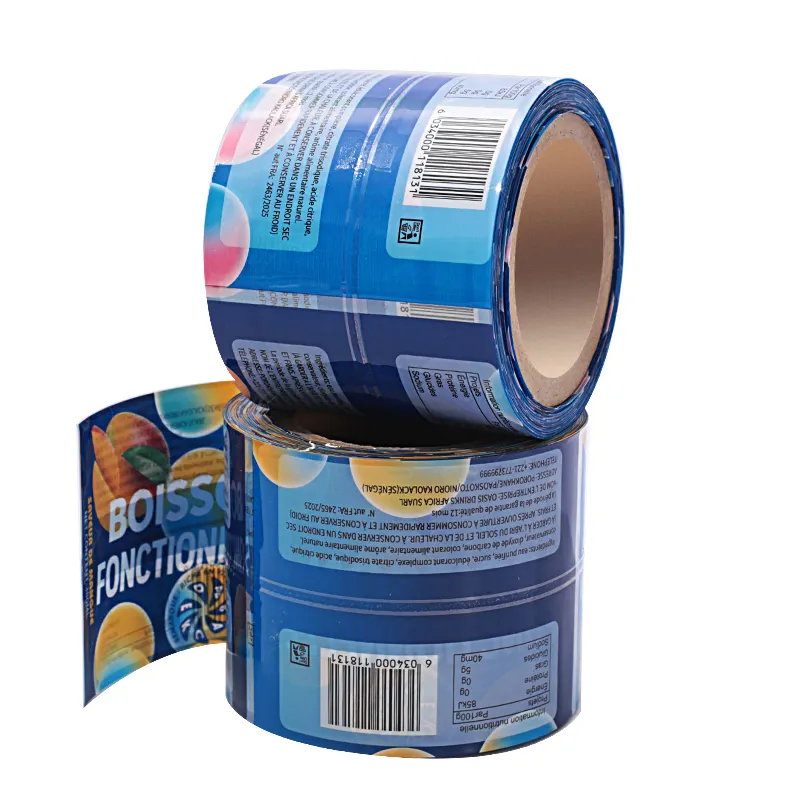
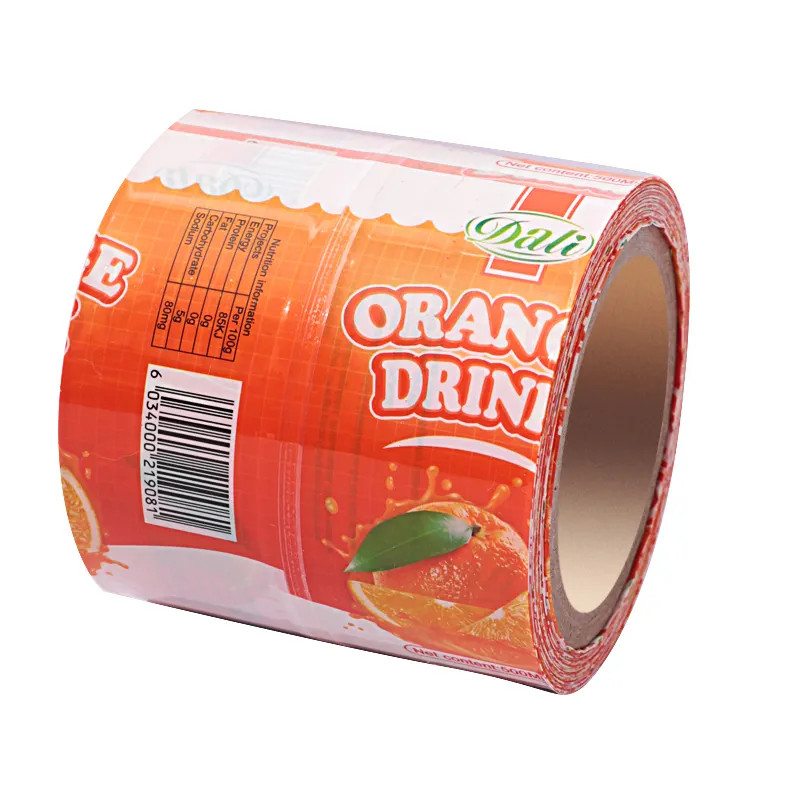
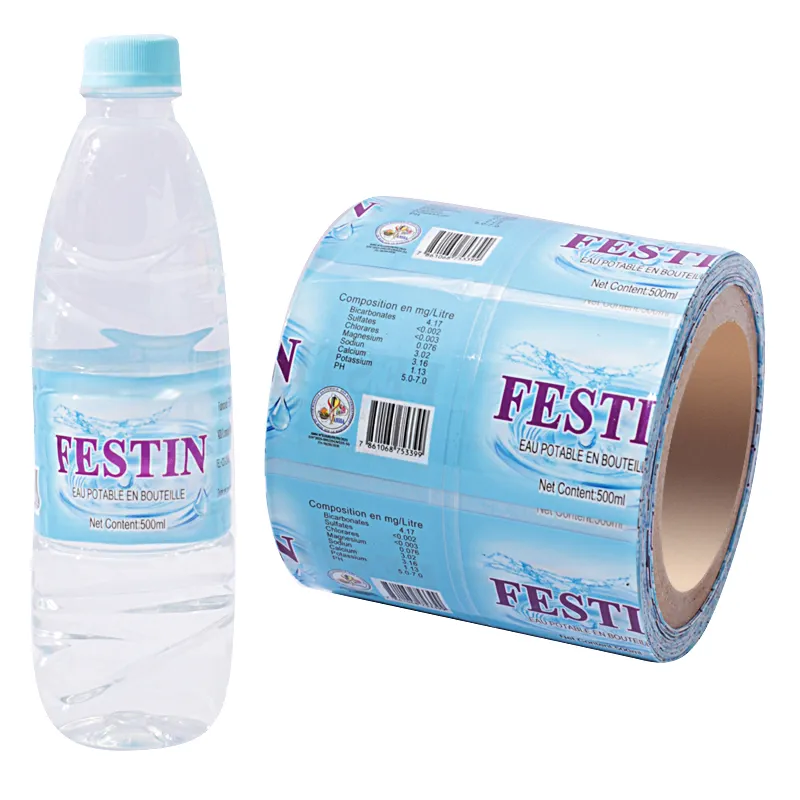
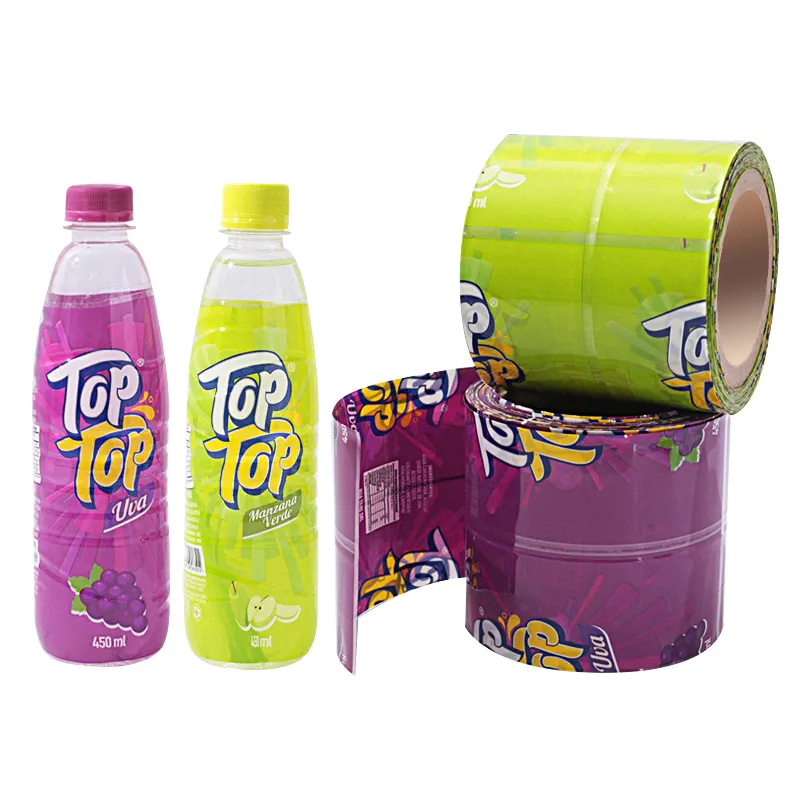
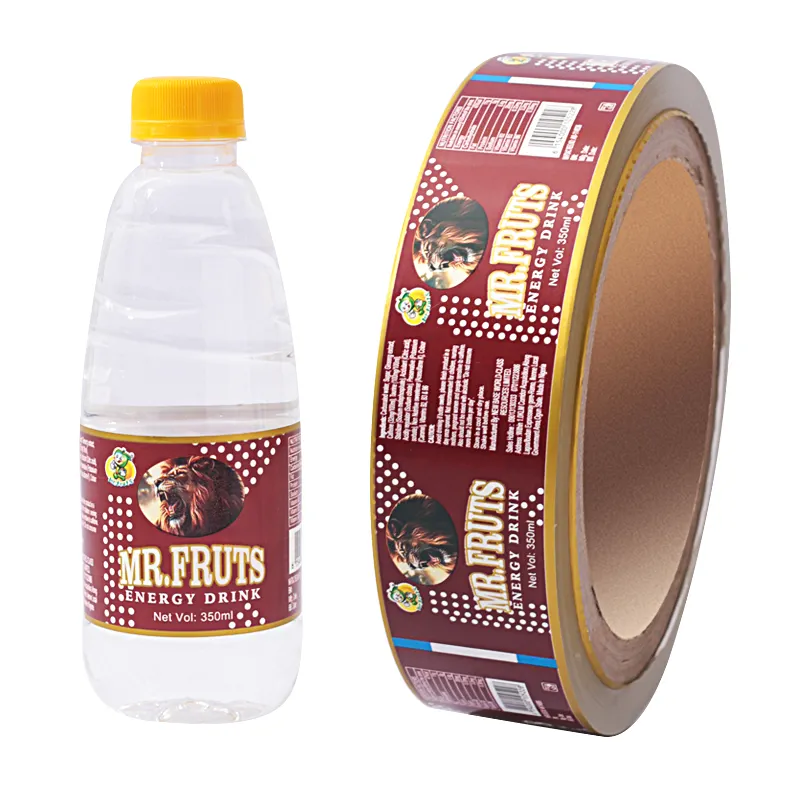
Bottle packaging generally includes PET bottles, HDPE bottles, and glass bottles. Product information and branding are applied using pressure-sensitive labels, shrink sleeves, or wrap-around labels.
Rigid bottles provide excellent structural strength and have long been the standard packaging choice for many beverage categories, particularly carbonated drinks and premium beverages.
Spout Pouch vs Bottle: A Feature-by-Feature Comparison
Packaging Weight and Transportation Costs
One of the biggest advantages of flexible beverage packaging is its lightweight construction.
Compared with rigid bottles, empty spout pouches occupy significantly less storage space and weigh much less. This enables manufacturers to transport more empty packaging per shipment, reducing warehouse requirements and freight costs.
For beverage exporters and international distributors, lower package weight can translate into considerable logistics savings over large production volumes.
Shelf Appeal and Branding Opportunities
Both packaging formats offer strong branding opportunities, but they do so differently.
Spout pouches provide a large printable surface that allows brands to showcase vibrant graphics, product information, and promotional messaging across almost the entire package. Matte finishes, glossy coatings, metallic effects, soft-touch lamination, and transparent windows can all be incorporated into custom beverage packaging.
Bottle packaging relies on labels or shrink sleeves for decoration. While premium labels can create an attractive appearance, the printable area is generally more limited than that of a flexible pouch.
Consumer Convenience
Modern consumers increasingly value portability and convenience.
Spout pouches feature resealable caps that allow easy one-handed operation. Their lightweight design makes them ideal for travel, outdoor activities, children’s beverages, and on-the-go consumption.
After use, empty pouches occupy minimal space, while bottles retain their original size throughout the product’s life cycle.
Product Protection
Proper beverage packaging must protect products from oxygen, moisture, and light while maintaining flavor and shelf life.
High-barrier laminated spout pouches provide excellent protection against external contaminants and help preserve beverage quality during transportation and storage.
Bottle performance depends largely on the material selected. PET bottles provide moderate barrier properties, while glass offers excellent protection but increases shipping weight and handling costs.
Which Beverage Categories Are Best for Spout Pouches?
Not every beverage requires the same packaging solution. The following categories are particularly well-suited for spout pouch packaging.
Juice and Fruit Purees
Fruit juices and purees benefit from the excellent barrier performance of laminated pouches. The resealable spout also allows consumers to enjoy multiple servings while maintaining freshness.
Sports and Energy Drinks
The lightweight design makes spout pouches ideal for active consumers. They are easy to carry during exercise, outdoor activities, and travel while reducing transportation costs for manufacturers.
Coffee Concentrates and Cold Brew
Cold brew coffee, coffee concentrates, and ready-to-drink coffee products increasingly utilize spout pouches because of their excellent oxygen barrier properties and premium appearance.
Functional Beverages
Vitamin drinks, electrolyte beverages, nutritional supplements, and protein drinks often require convenient portable packaging. Flexible pouches allow brands to combine functionality with eye-catching shelf presentation.
Baby Food and Nutritional Drinks
Spout pouches have become one of the preferred packaging formats for baby food purees and nutritional beverages due to their controlled dispensing, resealability, and convenience for parents.
When Bottles Are Still the Better Choice
Although spout pouches offer numerous advantages, rigid bottles remain the better option for certain beverage applications.
Carbonated Beverages
Highly carbonated soft drinks require packaging capable of withstanding significant internal pressure. PET bottles and aluminum cans continue to dominate this category because of their structural strength.
High-Temperature Filling Requirements
Some beverages require hot-fill or sterilization processes that may exceed the capabilities of certain flexible packaging structures. Packaging materials must always be selected according to filling temperatures and production conditions.
Premium Marketing and Branding Packaging
Luxury beverages, premium spirits, and certain specialty drinks often utilize glass bottles to reinforce brand positioning and communicate premium value.
Refillable Packaging Systems
Markets using returnable bottle systems still rely heavily on rigid containers that can withstand repeated cleaning and refilling cycles.
Cost Considerations for Beverage Brands
Packaging decisions should be based on total ownership cost rather than unit packaging price alone.
Flexible pouches generally reduce:
- Material consumption
- Transportation costs
- Warehouse space requirements
- Shipping weight
These advantages often offset any additional investment in specialized filling equipment.
For growing beverage brands, working with a professional spout pouch supplier can also improve production efficiency through customized pouch dimensions, compatible spouts, and optimized material structures.
Why Work with a Professional Beverage Packaging Manufacturer?
Selecting beverage packaging involves much more than choosing a pouch style.
An experienced custom beverage packaging manufacturer can recommend appropriate material structures, barrier properties, pouch sizes, spout types, label size, and printing options based on your beverage formulation and filling process.
Professional manufacturers also provide:
- OEM and ODM customization
- High-definition gravure printing
- Quality-controlled production
- Barrier and seal strength testing
- Fast bulk manufacturing
- Global export support
Partnering with a reliable beverage packaging supplier helps beverage brands maintain consistent packaging quality while reducing sourcing risks and improving production efficiency.
Conclusion
Both spout pouches and bottle packaging offer unique advantages, and the right choice depends on your product rather than packaging trends alone.
If your priority is lightweight transportation, convenient consumer use, lower logistics costs, and extensive branding opportunities, spout pouch packaging is often the preferred solution. For carbonated beverages, premium glass products, or refillable systems, traditional bottles may still provide the best performance.
Working with an experienced spout pouch manufacturer enables beverage brands to evaluate packaging based on product characteristics, production requirements, and long-term business goals, ensuring the most suitable solution for every application.