DE
DE  EN
EN  FR
FR  RU
RU  AR
AR  ES
ES  JA
JA 
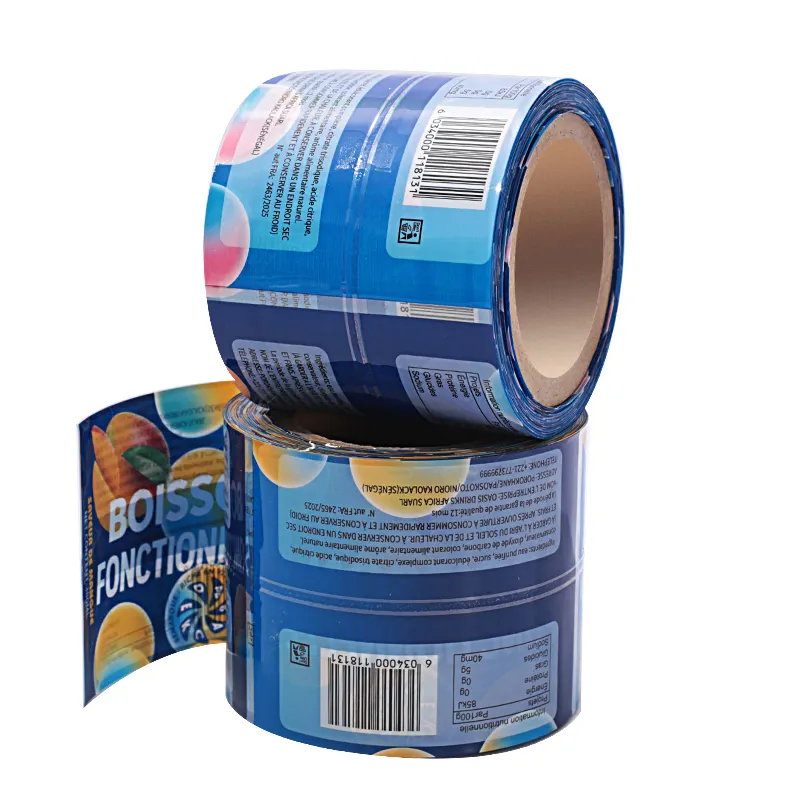
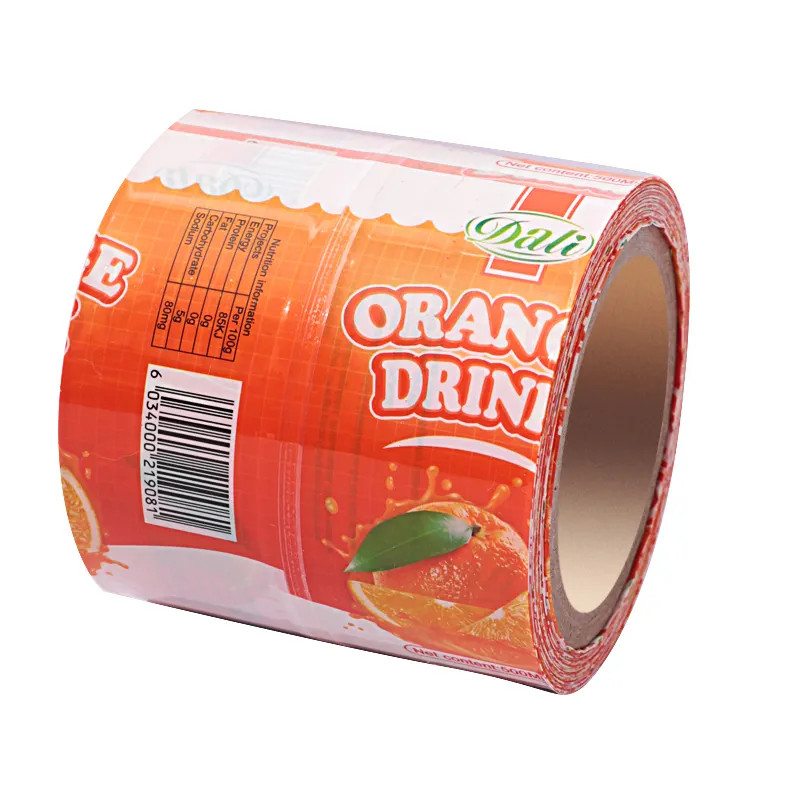
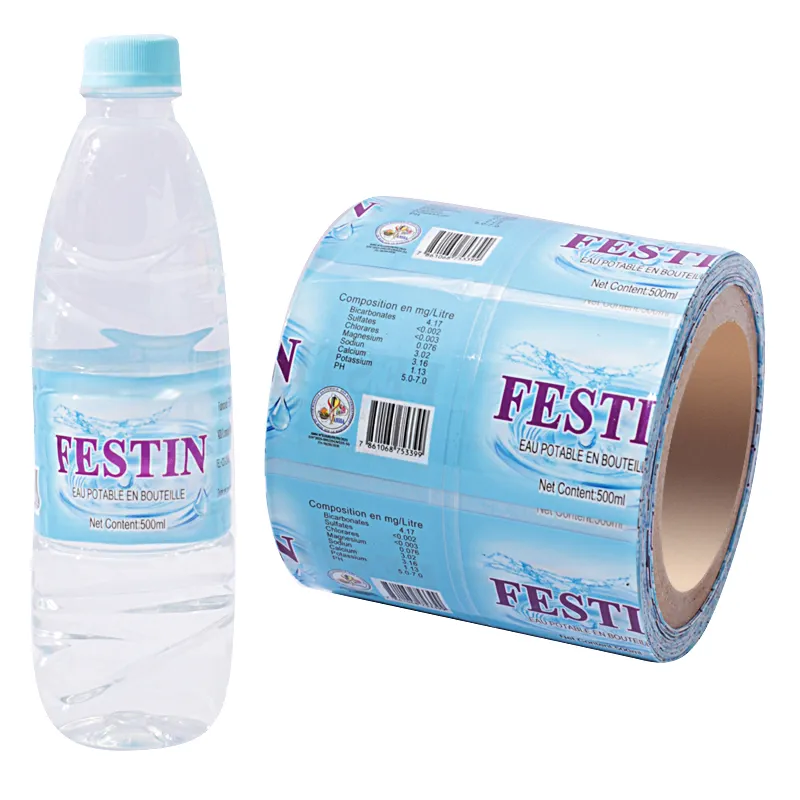
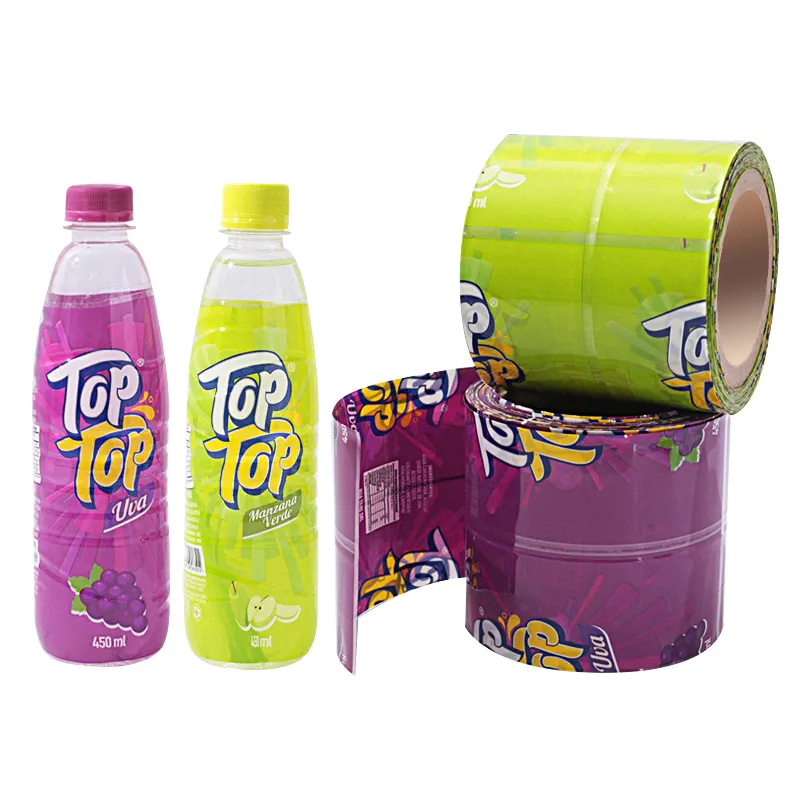
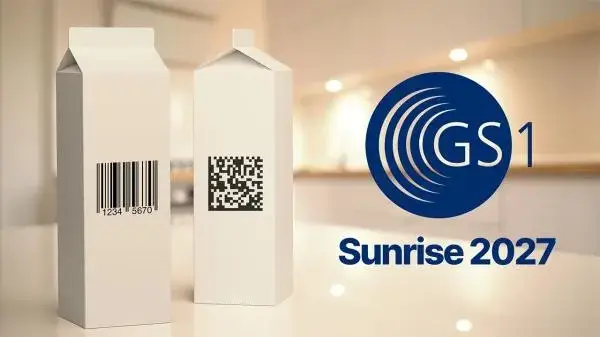
Vielleicht haben Sie schon bemerkt, dass die schwarz-weißen Streifen auf Lebensmitteln allmählich einem kompakten Quadrat weichen, das viel mehr Informationen enthält. Dies ist kein kosmetisches Update - es ist Teil einer koordinierten globalen Umstellung unter der Leitung von GS1, bekannt als Sonnenaufgang 2027. Für Lebensmittel- und Verpackungsfachleute ist diese Änderung weitaus folgenreicher als ein einfacher Austausch von Strichcodes.
GQ PACK, ein Hersteller von kundenspezifischen flexiblen LebensmittelverpackungenMan kann erkennen, dass es sich um den Beginn einer digitalen Überarbeitung der Produktidentität, der Abläufe in der Lieferkette und der Kundenbindung handelt. Verstehen und Annehmen Sonnenaufgang 2027 ist ein strategisches Gebot für Unternehmen, die Rückverfolgbarkeit, Konformität und Wettbewerbsvorteile gewährleisten wollen.
Warum Lebensmittelverpackungen die Sunrise 2027 beachten müssen
Das ist der Kern, Sonnenaufgang 2027 schreibt vor, dass die POS-Systeme des Einzelhandels bis Ende 2027 einen 2D-Barcode auf Produkten unterstützen müssen. Dieser Zeitrahmen stellt eine operative Frist für Hersteller, Marken und Verarbeiter dar, um sicherzustellen, dass die Verpackungen QR/Data Matrix-fähig sind - und die Auswirkungen sind besonders für den Lebensmittelsektor von Bedeutung:
- Lebensmittelsicherheit und präzise Rückverfolgbarkeit
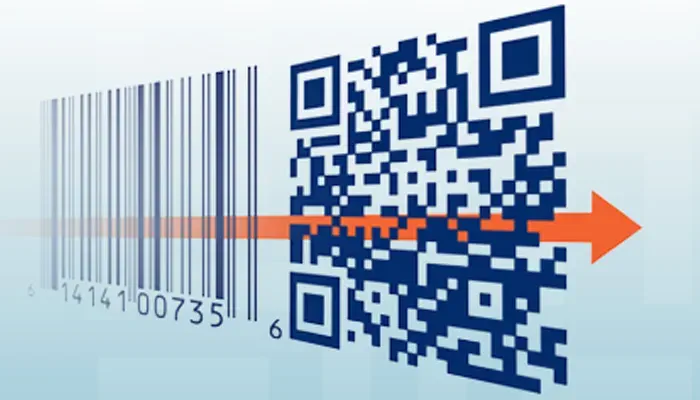
Herkömmliche lineare Strichcodes (z. B. EAN-13) enthalten lediglich eine Produktkennung. Ein GS1-konformer zweidimensionaler Code kann Chargennummern, genaue Mindesthaltbarkeitsdaten, Produktionslinien-IDs und Ursprungsdaten enthalten. Im Falle einer Verunreinigung oder eines Rückrufs können Markenhersteller diese eingebetteten Daten nutzen, um eine einzelne betroffene Charge zu ermitteln und einen eng begrenzten, schnellen Rückruf durchzuführen - und so Risiken, rechtliche Risiken und Markenschäden zu minimieren. - Erfüllung der Erwartungen der Verbraucher an Informationen
Moderne Käufer verlangen Transparenz: Herkunft der Zutaten, Informationen zu Allergenen, Zertifizierungen, Nachhaltigkeitskennzahlen und CO2-Fußabdrücke. Ein 2D-Code wird zu einem kompakten Tor zu umfangreichen Inhalten - Nährwerttabellen, Herkunftsangaben und Zertifizierungsdokumente - ohne die Packungsoberfläche zu überladen. Studien zeigen, dass eine große Mehrheit der Verbraucher Produkte bevorzugt, die zugängliche, überprüfbare Informationen bieten; der 2D-Code macht dies möglich. - Effizienz in der Lieferkette und im Betrieb
In der Lagerhaltung und Logistik ist die "One-Scan"-Datenerfassung wegweisend. Mit einem einzigen 2D-Scan können gleichzeitig Artikelidentität, Chargendaten und Mengen erfasst werden, was den Wareneingang, die Bestandszählung und die Versandvalidierung beschleunigt und gleichzeitig menschliche Fehler und damit verbundene Kosten reduziert.
Herausforderungen und Antworten: Wie sich Verpackungsverarbeiter und Marken gemeinsam weiterentwickeln müssen
Dieser Übergang ist nicht ohne Reibungen. Verpackungslieferanten und Markenteams werden mit drei wesentlichen Herausforderungen konfrontiert - Druck und Prozess, Datenintegration und Designfusion - und jede erfordert eine koordinierte Lösung.
1. Herausforderungen bei Druck und Verfahren
2D-Codes erfordern eine hohe Drucktreue. Verzerrungen, geringer Kontrast und Oberflächenwölbungen (auf Beuteln, Taschen und Zylindern) beeinträchtigen die Lesbarkeit. Hochglanzfolien, metallisierte Platten und dunkle Hintergründe verstärken das Risiko.
Antwort: Frühzeitige Prüfung der Materialkompatibilität. Zusammenarbeit mit Verarbeitern zur Qualifizierung von Bedruckstoffen, Tinte und Druckpositionen. Einführung von Inline-Prüfungen (kamerabasierte Qualitätskontrollen) und standardisierten Druckprüfungsprotokollen, um die Lesbarkeit auf Hochgeschwindigkeitslinien im ersten Durchgang zu gewährleisten.
2. Integration von Daten und Systemen
Die Kodierung dynamischer Produktionsdaten (Charge, Zeitstempel, Linien-ID) in jedem Code und die Aufrechterhaltung einer vertrauenswürdigen Verbindung zwischen der physischen Verpackung und den Unternehmensdatensätzen (ERP, MES, WMS) ist sowohl ein IT-Projekt als auch ein Verpackungsprojekt.
Antwort: Abbildung des durchgängigen Datenflusses vor dem Druck. Implementieren Sie robuste Middleware oder APIs, um Produktionsmetadaten mit jedem einzelnen Code zu verknüpfen und Prüfpfade zu pflegen. Führen Sie Pilotversuche mit kleinen Produktlinien durch, um die Datenpipeline zu testen und die Formate mit den Aufnahmeanforderungen der Handelspartner abzustimmen.
3. Integration gestalten
Markenteams befürchten, dass Codes das visuelle Design stören oder die Wirkung im Regal verringern.
Antwort: Beziehen Sie das Verpackungsdesign frühzeitig mit ein. Prüfen Sie die kreative Platzierung, gerahmte Klarsichtbereiche oder markengebundene Mikroinhalte, die beim Scannen des Codes erscheinen. Standardisieren Sie eine Reihe von Layout-Vorlagen, die ein Gleichgewicht zwischen Scanner-Lesbarkeit und Markenästhetik herstellen.
Sunrise 2027 ist das Tor zur intelligenten Verpackung
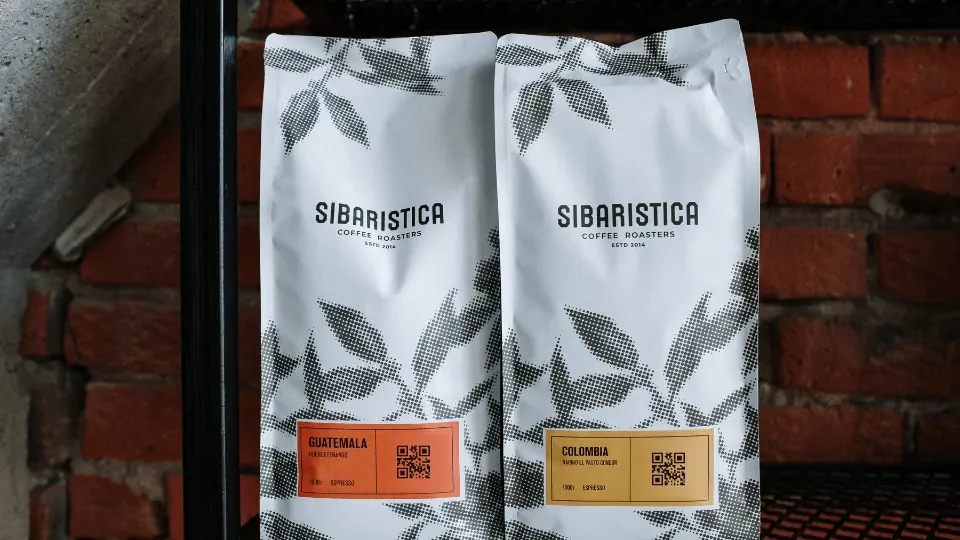
Neben der Rückverfolgbarkeit und der Einhaltung von Vorschriften ist der 2D-Code ein Zugang zu intelligenten Verpackungsanwendungen:
- Interaktive Verbrauchererfahrungen: Belohnungsprogramme, Rezeptvorschläge, Herkunftsgeschichten und Fälschungsschutzkontrollen.
- Datengesteuertes Marketing: Anonymisierte Scan-Analysen können Kaufgeografien und Verbrauchsmuster für eine bessere Bedarfsplanung aufzeigen.
- IoT und Integration der Kühlkette: Codes können mit Sensorprotokollen (Temperatur, Luftfeuchtigkeit) verknüpft werden, die während des Transports aufgezeichnet wurden, um verifizierte Qualitätshistorien zu liefern.
- Regulatorische und Nachhaltigkeitsberichte: paketierte Daten erleichtern die automatische Berichterstattung für Regulierungsbehörden und Einzelhändler.
Strategisch gesehen ist die Umstellung auf 2D-Codes keine Belastung für die Einhaltung von Vorschriften - sie ist die Grundlage für einen digitalen Produktlebenszyklus.
Praktische Schritte zur Vorbereitung auf den Stichtag 2027
Da die Uhr tickt, finden Sie hier konkrete Maßnahmen, mit denen Verpackungsanbieter und Markeninhaber jetzt beginnen sollten:
- Diagnose und Planung beginnen - Prüfung bestehender SKUs, Bestimmung der Produkte, die mit erweiterten Datenelementen versehen werden müssen (Charge, Zeile, Verfallsdatum), und Abbildung der aktuellen Inline-Codierungsmöglichkeiten.
- Durchführung von Pilotprojekten - Wählen Sie ein oder zwei repräsentative SKUs aus und führen Sie ein End-to-End-Pilotprojekt mit Ihrem Konverter und Einzelhandelspartner durch, einschließlich Drucktests, Scan-Validierung und Datenübergabe.
- Einzelhändler frühzeitig einbinden - Bestätigen Sie die technischen Anforderungen und den Zeitplan jedes größeren Handelspartners, damit Ihr Upgrade-Plan mit dessen POS-Bereitschaft übereinstimmt.
- Konformität in Differenzierung umwandeln - Überlegen Sie, wie der 2D-Code wertschöpfende Inhalte enthalten kann (Herkunftsgeschichte, Zertifizierungen, Loyalität) und integrieren Sie diese in das Verpackungsdesign und die Marketingpläne.
Schlussfolgerung
Sonnenaufgang 2027 markiert den Beginn einer neuen Ära für verpackte Waren. Für Lebensmittelunternehmen ist die Umstellung von linearen Barcodes auf GS1-konforme 2D-Codes weit mehr als nur ein technisches Update - sie ist eine Plattform für verbesserte Lebensmittelsicherheit, Stabilität in der Lieferkette und Kundenbindung. Marken, die schon heute mit der Planung beginnen, indem sie Materialien testen, Datenflüsse aktualisieren und Anwendungsfälle testen, werden nicht nur die Konformitätsfrist einhalten, sondern auch neue kommerzielle und betriebliche Vorteile erschließen. Wer sich jetzt auf diesen Wandel einlässt, investiert in Vertrauen, Transparenz und zukunftssichere Verpackungen.
Weitere Einzelheiten zum GS1-Programm und zu den technischen Leitlinien finden Sie auf der Website von GS1: https://www.gs1.org/ und GS1 Hongkong: https://www.gs1hk.org/zh-cn.