DE
DE  EN
EN  FR
FR  RU
RU  AR
AR  ES
ES  JA
JA 
In the custom flexible packaging industry, successful projects rely not only on manufacturing capabilities but also on effective communication between the Hersteller flexibler Verpackungen and the customer. From packaging design to mass production, every stage requires accurate information and timely confirmation.
This article presents a hypothetical case based on common industry experiences. All parties are referred to solely by pronouns, with no actual names or specific client identities disclosed. The purpose is to share practical insights into custom printed packaging projects and demonstrate how effective collaboration can improve project outcomes.
Hintergrund des Projekts
During a custom flexible packaging project, we worked closely with a client throughout the design and production process. The client provided both packaging artwork files and physical samples as references for manufacturing.
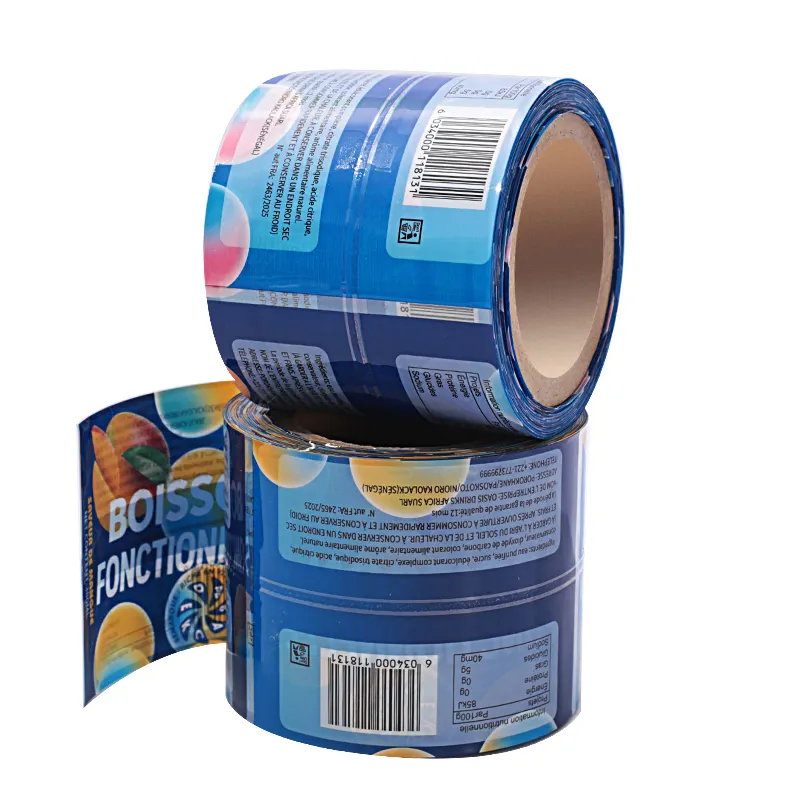
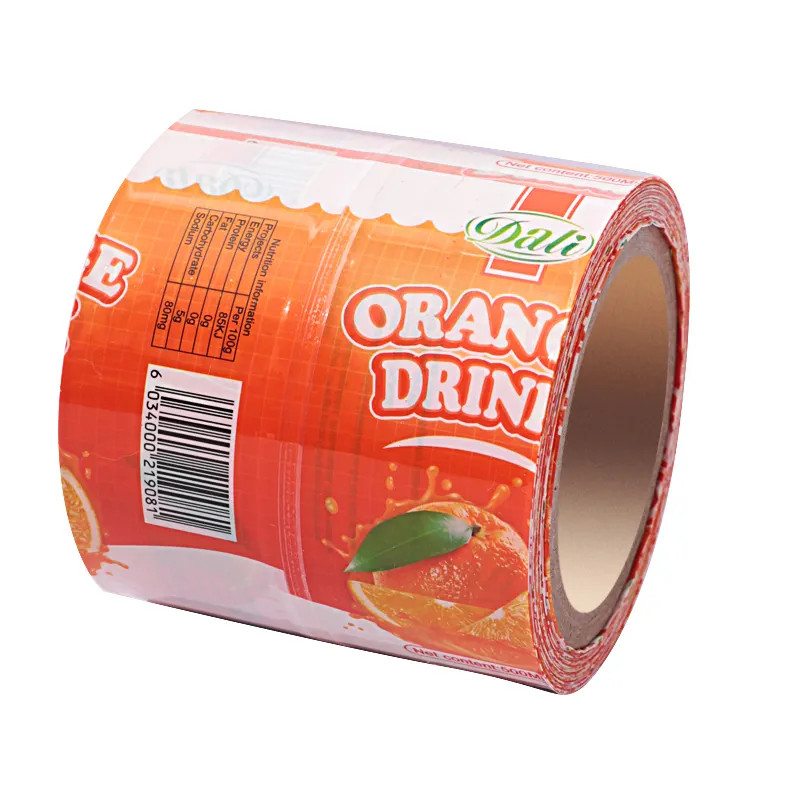
However, during subsequent communications, we identified multiple inconsistencies between the design files and the physical samples. Elements such as pattern styles, layout arrangements, and critical information like QR codes repeatedly showed discrepancies, requiring the client to confirm and clarify the details on several occasions.
The Challenge: Inconsistent Design References
As discussions continued, it became clear that the client had not established which reference should take priority—the physical sample or the packaging artwork.
This uncertainty temporarily slowed the project. Proceeding with mass production without a clearly defined reference standard would have been irresponsible to the client’s requirements and could have introduced unnecessary quality risks.
To ensure the final custom printed packaging met expectations, our team decided to suspend production until all reference standards had been clearly confirmed.
Multiple Revisions Before Sample Approval
To ensure production accuracy, the gravure printing cylinders underwent multiple modifications, accompanied by repeated packaging sample production and verification.
Each adjustment required additional time and resources to optimize:
- Pattern alignment
- Layout consistency
- QR code accuracy
- Overall visual appearance
Although the revision process extended the development cycle, it also highlighted the importance of maintaining consistency between packaging design files and physical samples before entering mass production.
Finding the Right Solution
The turning point came during the sample approval stage.
Through careful joint review and discussion, both parties reached a clear agreement: the physical sample would serve as the primary reference for the visual appearance and structural details, while the design file would provide the basis for necessary modifications and optimizations.
This hybrid reference approach effectively resolved the earlier inconsistencies, making subsequent adjustments more targeted and efficient while avoiding repeated engraving of the printing cylinders.
Smooth Production and Successful Delivery
Once the reference framework had been clearly established, the remaining production process proceeded smoothly.
After jointly confirming that the colors, patterns, and overall appearance met expectations, we initiated mass production according to the approved packaging sample.
The finished products successfully met the client’s expectations in terms of quality, functionality, and visual accuracy, and the order was completed and delivered on schedule. The successful completion of the project also further strengthened the cooperative relationship between both parties.
Lessons Learned for Custom Flexible Packaging Projects
This experience provides several valuable lessons for companies developing kundenspezifische flexible Verpackungen.
First, establishing clear reference standards for both packaging artwork and physical samples at the beginning of a project can significantly reduce unnecessary revision cycles.
Second, maintaining proactive communication and conducting joint verification during the sample approval stage helps minimize risks caused by inconsistent information.
Finally, systematic problem-solving throughout the project enables both the Hersteller flexibler Verpackungen and the customer to resolve challenges efficiently while ensuring the final packaging meets production requirements.
Schlussfolgerung
For both manufacturers and brands, establishing clear communication procedures at the beginning of a custom printed packaging project helps create a smoother transition from packaging design to mass production.
This case demonstrates that clear reference standards, efficient communication, and thorough sample approval are essential to successful kundenspezifische flexible Verpackungen collaboration.
If you are looking for an experienced Hersteller flexibler Verpackungen to support your next packaging project, GA PACK can work with you throughout the design confirmation, sample verification, and production process to help ensure efficient communication, reliable quality, and successful project delivery.