DE
 EN
 FR
 RU
 AR
 ES
 JA

Barrier performance in beverage packaging plays an important role in protecting product quality throughout storage and distribution. Oxygen, light, and aroma loss can gradually affect a beverage’s flavor, color, and nutritional properties, even when the package remains sealed.
For beverage brands, effective barrier packaging helps maintain consistent product quality and supports the intended shelf life. However, different beverages require different levels of protection depending on their ingredients, processing methods, and storage conditions.
What Is Barrier Performance in Beverage Packaging?
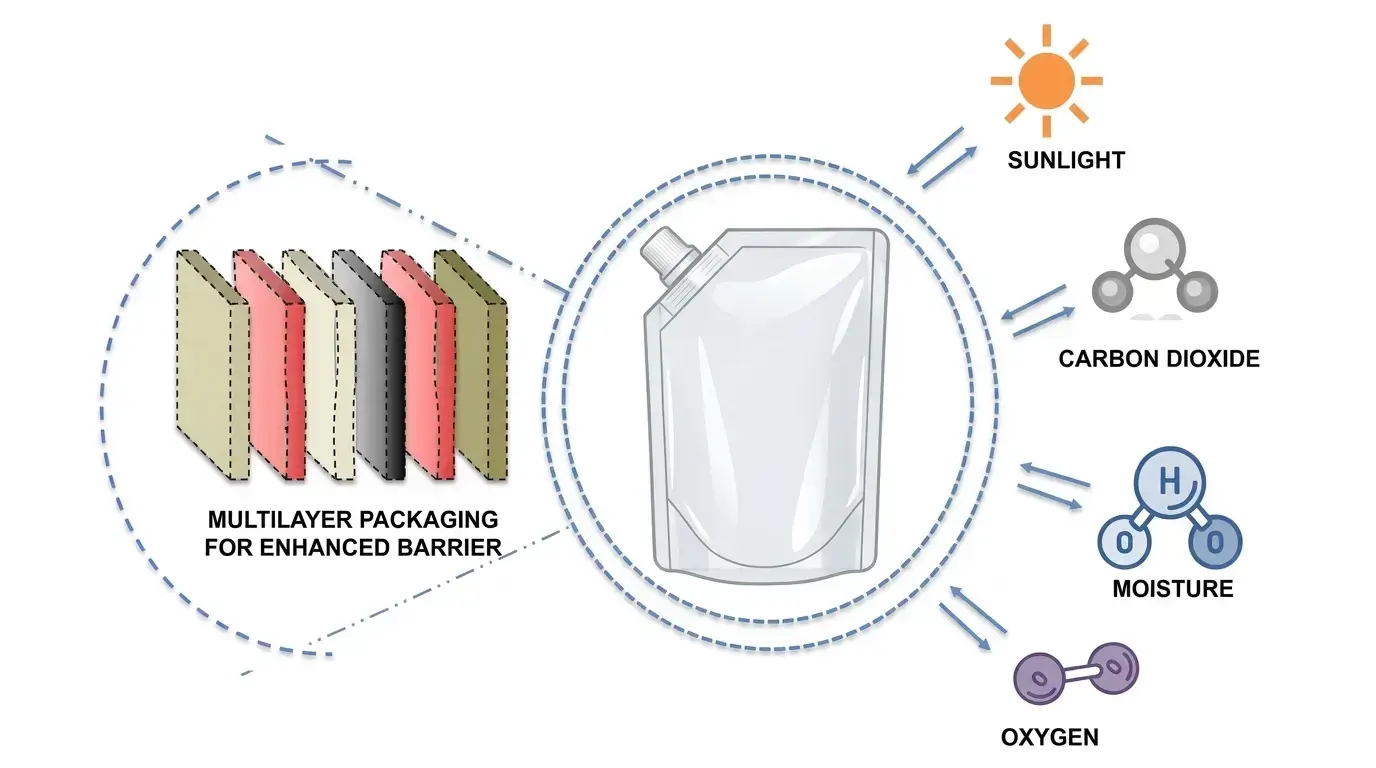
Barrier performance refers to a packaging material’s ability to control the movement of gases, moisture, and aroma compounds, as well as exposure to light.
Four main barrier properties influence beverage packaging:
- Oxygen Barrier: Limits oxygen entering the package, helping reduce oxidation and associated quality changes.
- Light Barrier: Protects sensitive ingredients from light-induced degradation.
- Aroma Barrier: Helps retain flavor compounds and reduces unwanted odor transfer.
- Moisture Barrier: Controls water vapor transmission, which may be important for certain concentrates or specialized formulations.
For most ready-to-drink liquid beverages, oxygen and light protection deserve particular attention. Moisture barrier requirements depend more heavily on the product and storage conditions.
The goal is not simply to achieve the highest barrier performance, but to provide the protection that each beverage actually needs.
How Barrier Performance Affects Beverage Quality and Shelf Life
Poor barrier performance can lead to several quality problems during storage, even when the beverage was properly processed before packaging.
Preventing Oxidation and Nutrient Degradation
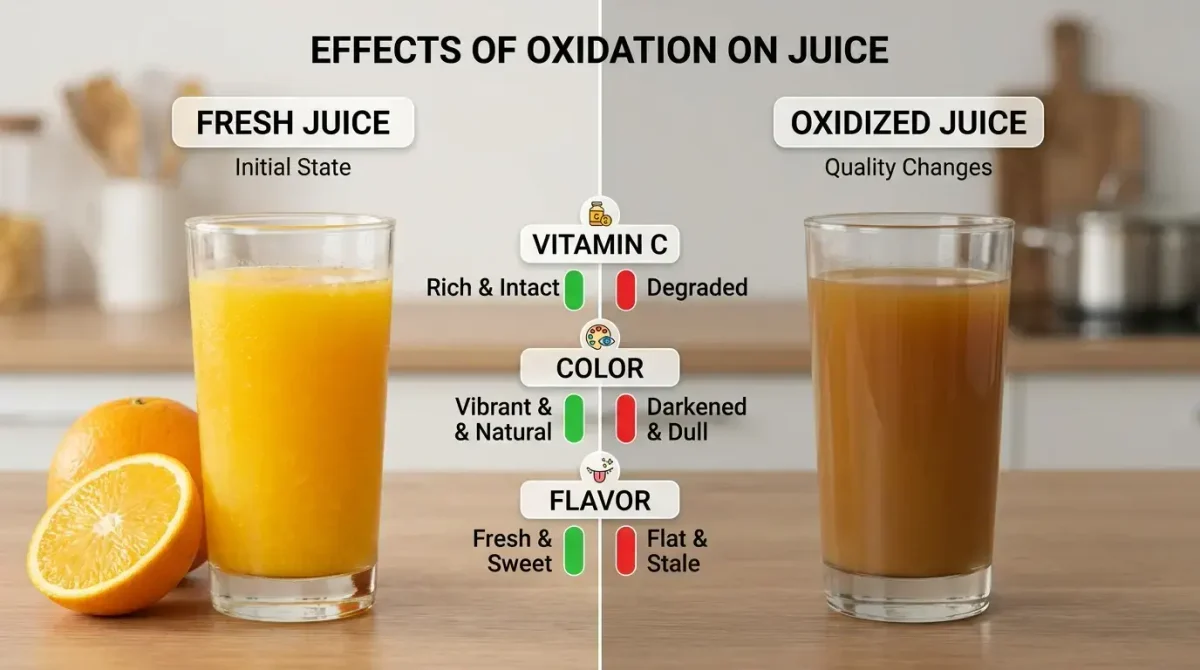
Oxygen exposure can trigger chemical reactions that affect beverage flavor, color, and nutritional value.
For example, vitamin C in fruit juice is particularly sensitive to oxidation. Excessive oxygen exposure can accelerate vitamin degradation and contribute to browning and undesirable flavor changes.
Gültig oxygen barrier packaging limits oxygen entering through the package. However, oxygen already dissolved in the beverage or trapped during filling must also be controlled.
Protecting Flavor and Aroma
A beverage’s characteristic flavor depends on a combination of aroma compounds.
Some volatile compounds may gradually escape through packaging materials, while others can be absorbed by certain packaging layers. These interactions may alter the product’s original aroma and taste.
Appropriate barrier performance helps preserve flavor characteristics throughout distribution and storage.
Reducing Light-Induced Quality Changes
Exposure to light can accelerate unwanted chemical reactions in sensitive beverages.
Milk, for example, can develop off-flavors when exposed to certain wavelengths of light. Light exposure may also contribute to the degradation of sensitive vitamins.
Suitable light barrier packaging helps reduce these risks, particularly when products are displayed under retail lighting.
Together, oxygen, aroma, and light protection contribute to beverage packaging shelf life by helping maintain acceptable product quality under defined storage conditions.
Why Different Beverages Need Different Barrier Protection
Not all beverages respond to oxygen, light, or aroma loss in the same way. Their formulations determine which barrier properties matter most.
| Beverage Type | Main Quality Concern | Barrier Priority |
|---|---|---|
| Fruchtsäfte | Vitamin degradation, oxidation, color changes | Oxygen; light where relevant |
| Molkereigetränke | Light-induced oxidation and off-flavors | Light and oxygen |
| Pflanzliche Getränke | Oxidation and flavor instability | Formulation-dependent oxygen and light protection |
| Funktionsgetränke | Stability of sensitive vitamins and ingredients | Depends on active ingredients |
| Getränkekonzentrate | Aroma loss and formulation changes | Aroma and oxygen; moisture where relevant |
For example, a clear fruit juice may require strong oxygen protection, while a light-sensitive dairy beverage may benefit more from an opaque package.
Similarly, functional beverages containing sensitive vitamins require protection based on their specific formulation rather than the beverage category alone.
Understanding these differences helps brands avoid unnecessary packaging complexity while addressing the product’s actual quality risks.
For a closer look at the available materials, explore our guide to barrier materials for liquid food packaging.
Why Film Barrier Data Alone Cannot Guarantee Shelf Life
Barrier performance is commonly evaluated using OTR and WVTR.
Sauerstofftransmissionsrate (OTR) measures how much oxygen passes through a material under specified test conditions. A lower OTR generally indicates stronger oxygen barrier performance.
Wasserdampf-Transmissionsrate (WVTR) measures water vapor transfer. It is relevant when changes in moisture content could affect product stability.
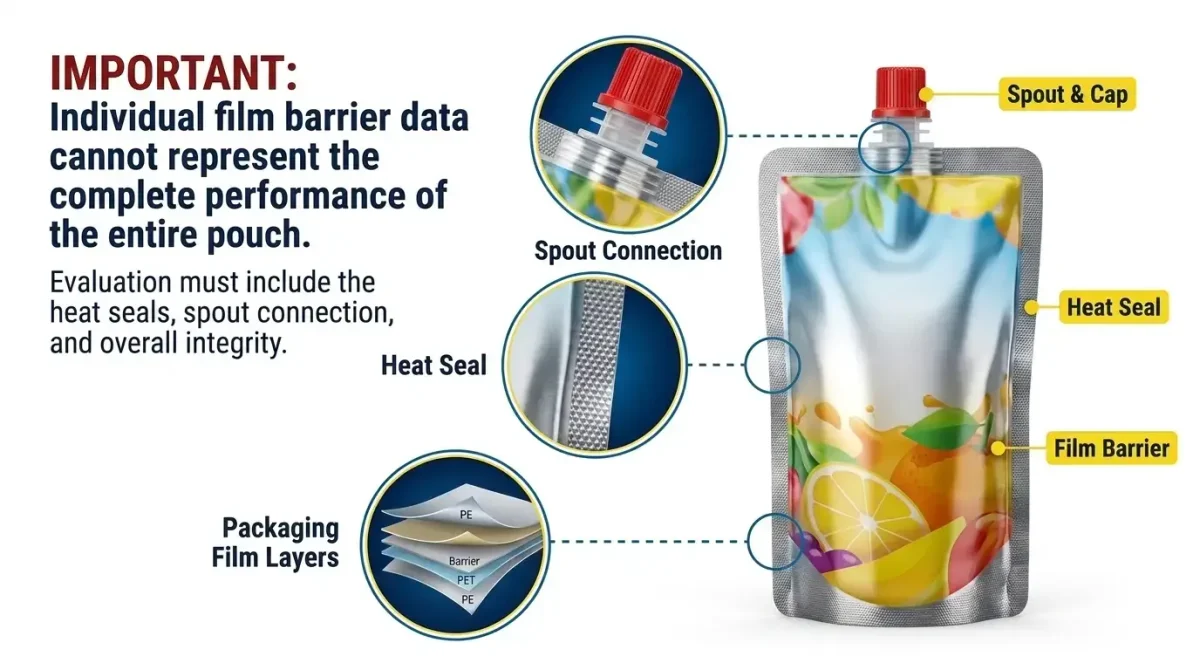
However, film test results alone cannot predict the shelf life of a finished beverage.
Several additional factors influence actual packaging performance:
- Seals and Closures: Weak heat seals, spout connections, or closures can compromise package integrity.
- Filling Conditions: Dissolved oxygen and oxygen remaining in the headspace can contribute to oxidation.
- Storage Environment: Temperature, humidity, and light exposure affect product stability.
- Product Formulation: Acidity, ingredients, and processing conditions influence how the beverage interacts with its packaging.
OTR and WVTR values must also be interpreted using their stated test conditions.
A high-barrier film cannot compensate for inadequate processing, poor sealing, or unsuitable storage conditions. Shelf-life performance must therefore be assessed using the complete beverage and packaging system.
How to Determine the Right Barrier Performance for Your Beverage
Selecting appropriate barrier performance begins with understanding the beverage rather than choosing the most complex packaging material.
1. Identify Product Sensitivity
Determine whether oxygen, light, aroma loss, or moisture changes are most likely to affect the beverage’s quality.
2. Define Shelf-Life and Storage Conditions
Consider the intended shelf life, distribution temperature, retail display conditions, and expected storage environment.
3. Evaluate Filling and Processing Requirements
Cold filling, hot filling, pasteurization, and aseptic filling place different demands on packaging materials and seals. The complete structure must be compatible with the actual process.
4. Validate the Finished Package
Use relevant barrier measurements, seal integrity checks, product compatibility assessments, and shelf-life testing to confirm that the package meets the product’s requirements.
Importantly, high barrier performance alone does not guarantee compatibility with every beverage.
For example, acidic formulations may create additional material compatibility concerns. Our Fallstudie zur Verpackung von säurehaltigen Getränken illustrates why barrier performance and product compatibility must be evaluated together.
The most suitable solution balances product protection, process compatibility, and packaging cost.
Explore our custom beverage packaging solutions or review our packaging customization options to discuss a suitable solution for your project.
Schlussfolgerung
Barrier performance matters because it helps protect the flavor, nutritional characteristics, and overall quality of beverages throughout their intended shelf life. The right protection comes from matching packaging performance to the beverage formulation, production process, and storage environment—not simply choosing the highest-barrier material available.
Beverage Packaging Solutions from GQ PACK
GQ PACK is a China-based flexible packaging manufacturer offering customized packaging solutions for beverage brands, manufacturers, and distributors.

Our capabilities include:
- Custom Barrier Structures: Material options evaluated according to beverage protection requirements and intended applications.
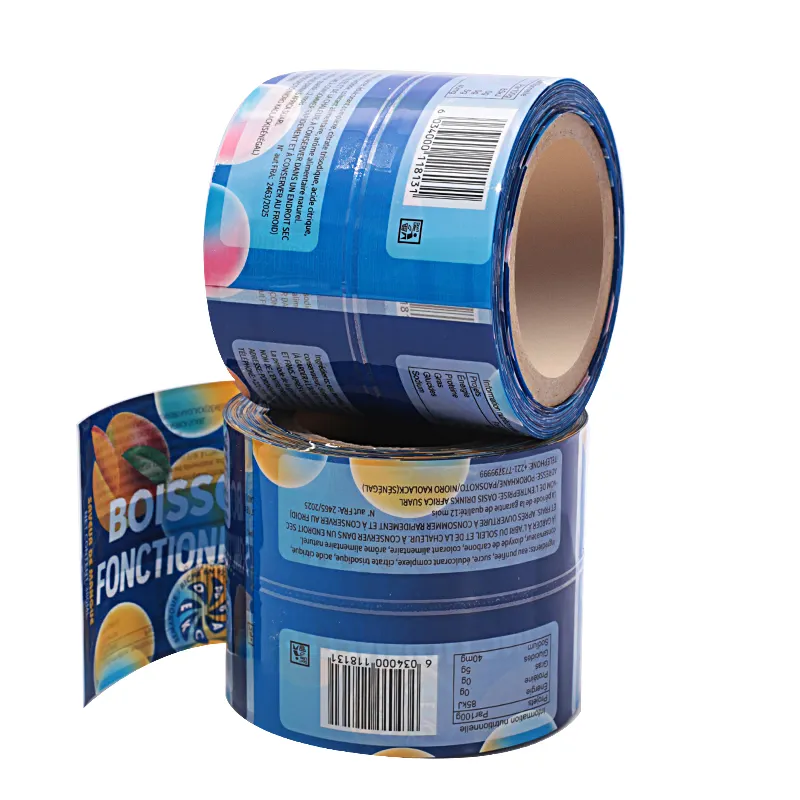
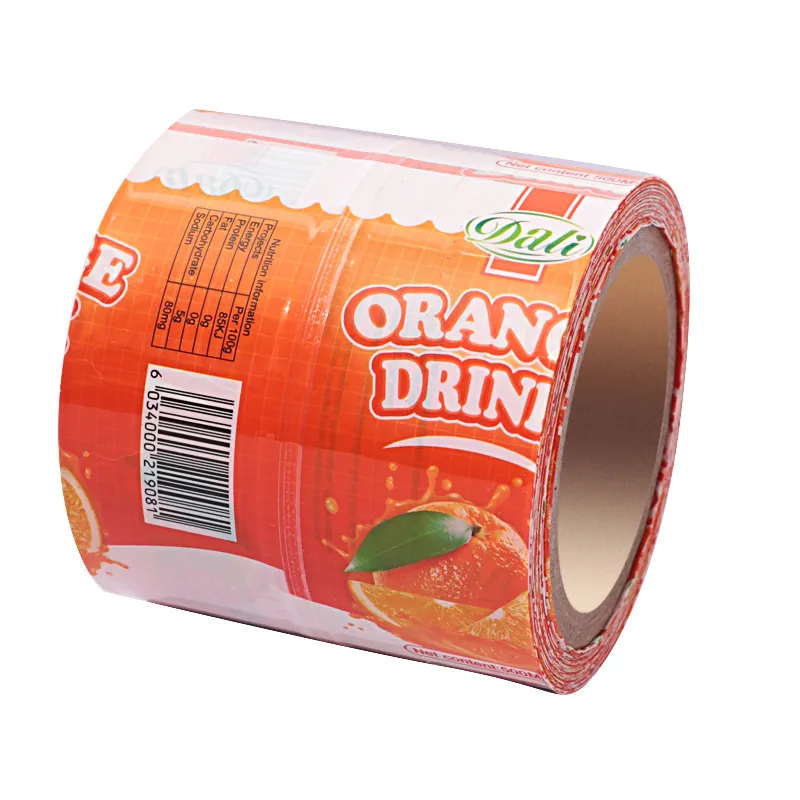
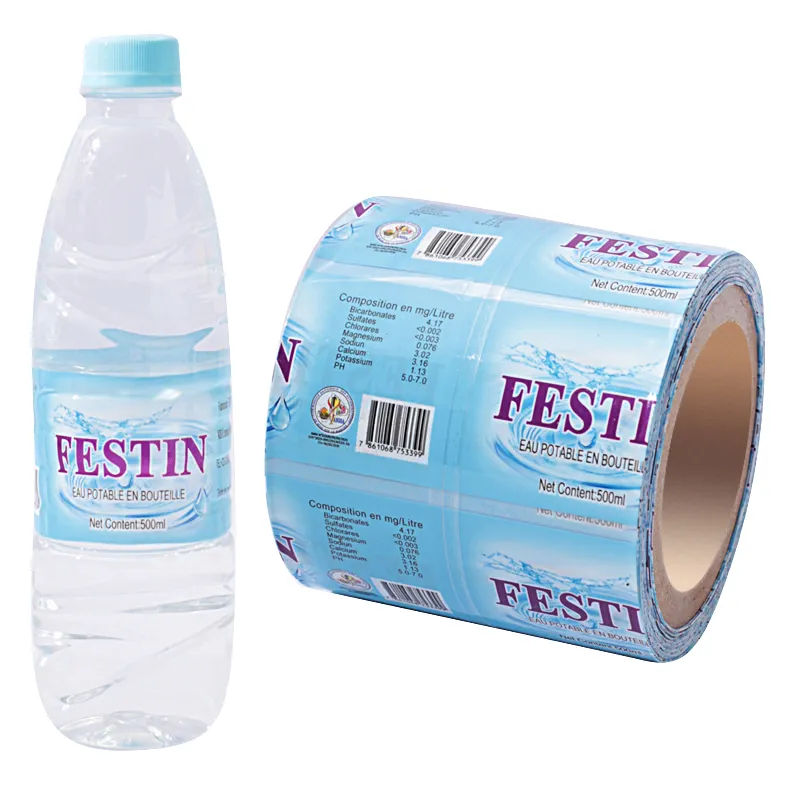
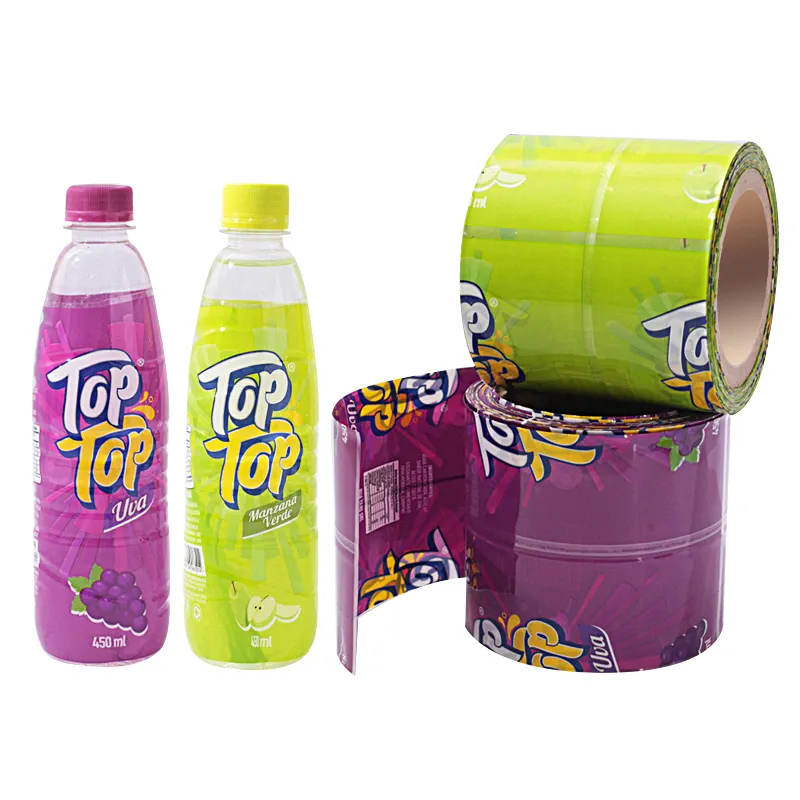
- Flexible Packaging Formats: Spout pouches, beverage packaging film rolls, and other packaging formats suited to different production needs.
- Packaging Customization: Flexible options for packaging size, structure, printing, and functional features.
We help customers evaluate packaging configurations based on beverage characteristics, filling conditions, and branding requirements.