EN
EN  DE
DE  FR
FR  RU
RU  AR
AR  ES
ES  JA
JA 
In the evolving world of food packaging, stand-up pouches have rapidly become a preferred alternative to traditional rigid packaging. With their smart structural design and strong environmental benefits, they not only improve the consumer experience but also play a pivotal role in driving the packaging industry toward greener and more sustainable practices.
Functional Advantages: Practical Design for Modern Food Storage
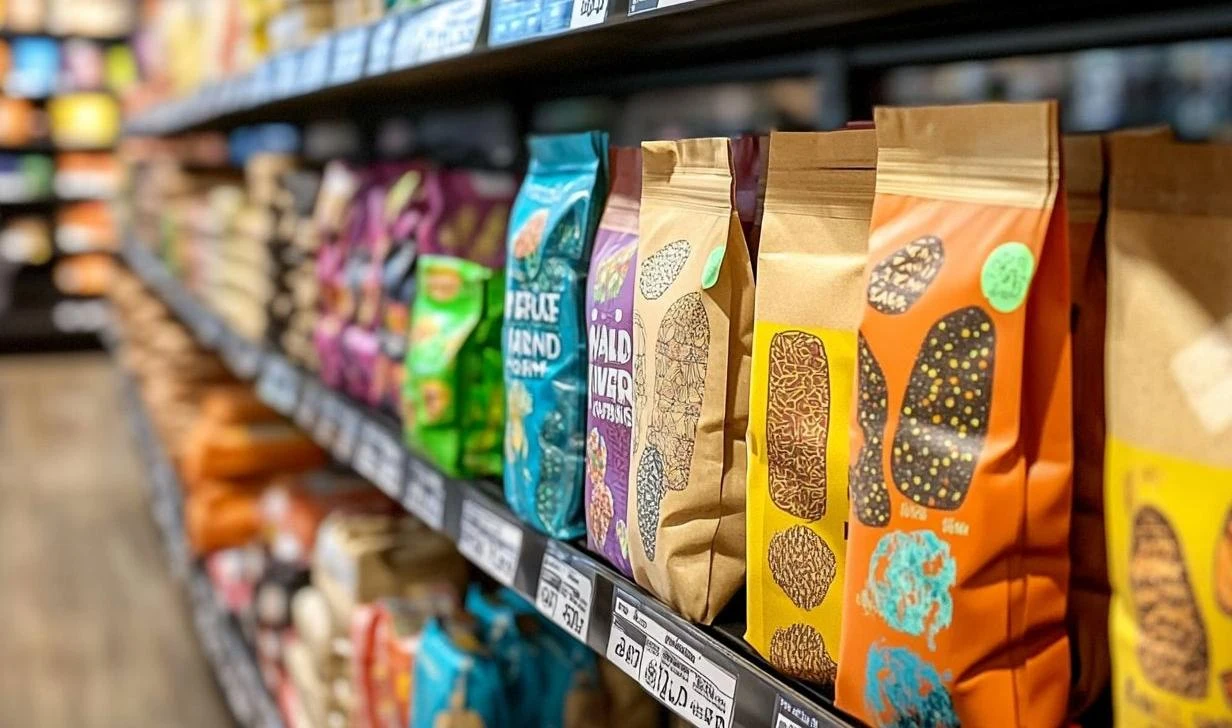
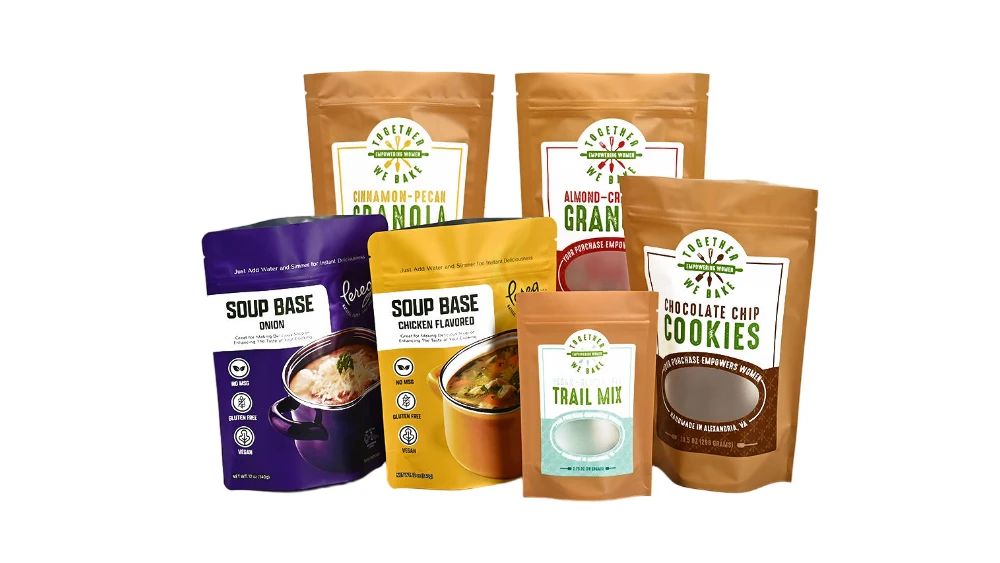
The most distinctive feature of stand-up pouches lies in their excellent structural stability and ease of use. Designed with a expandable bottom gusset, these pouches can stand upright without any external support. This provides better shelf visibility in supermarkets and creates neat, space-saving storage in the home.
Unlike conventional plastic bags, which require separate containers for display or storage, stand-up pouches often come with resealable zippers. This allows multiple openings and closings without compromising freshness — an ideal solution for nuts, cereals, dried fruits, snacks, pet food, and any product that customers access repeatedly.
Material performance further enhances their practicality. Multi-layer structures such as PET/AL/LLDPE offer strong oxygen, moisture, and light barriers, significantly extending the shelf life of sensitive foods. For example, aluminum-laminated stand-up pouches can keep coffee beans fresh for over 6 months, reducing oxidation and product waste.
Sustainability Benefits: Lightweight and Eco-Conscious Packaging
From an environmental perspective, stand-up pouches offer undeniable advantages compared with rigid packaging such as tin cans, glass jars, or thick plastic containers.
Lightweight Materials, Lower Carbon Footprint
Stand-up pouches use a lightweight film + sealing component structure, requiring only one-fifth of the material used in traditional packaging.
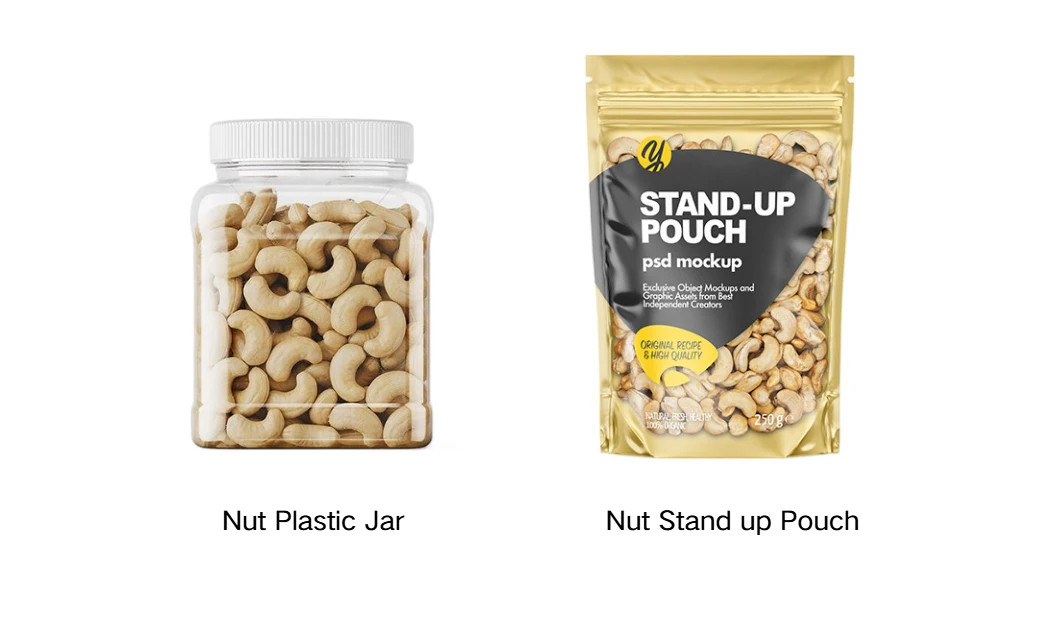
For a typical 500 g pack of nuts:
- A plastic can weighs about 80 g
- A stand-up pouch weighs about 15 g
This represents nearly 80% less material consumption, reducing energy usage and carbon emissions during manufacturing.
With advancements in sustainable materials, biodegradable stand-up pouches and compostable films have entered mass production, helping prevent long-term environmental pollution caused by conventional plastics.
Efficient Logistics and Reduced Transport Emissions
Stand-up pouches support resource conservation throughout their entire lifecycle. Because they are lightweight and foldable, they dramatically improve transport efficiency. The same vehicle can load up to 3× more flexible-packaged products than rigid containers — directly reducing fuel consumption and exhaust emissions during shipping.
Higher Recycling Potential With Monomaterial Solutions
Traditional composite packaging often contains multiple layers of incompatible materials, making recycling difficult and resulting in a recovery rate below 20%.
Today, many brands are introducing single-material stand-up pouches (such as all-PE or all-PP structures), which can achieve recycling rates of 85% or more. This shift supports a circular packaging economy and reduces landfill waste.
Why Stand-Up Pouches Are Becoming the New Mainstream
As consumers become more sustainability-minded and global regulations tighten around packaging waste, the transition toward flexible, eco-friendly packaging is accelerating.
Stand-up pouches meet the needs of modern food brands by offering:
- Practicality: stable standing, resealable opening, excellent protection
- Aesthetics: large printable surface for branding and marketing
- Cost efficiency: lower material and transportation costs
- Eco-friendly value: less resource consumption, lower emissions, and higher recyclability
With these advantages, stand-up pouches are not just a trend — they are becoming the new standard in food packaging. By combining functionality with strong sustainability benefits, they support the industry’s shift toward greener practices and contribute meaningfully to long-term environmental protection.