ES
ES  EN
EN  DE
DE  FR
FR  RU
RU  AR
AR  JA
JA 
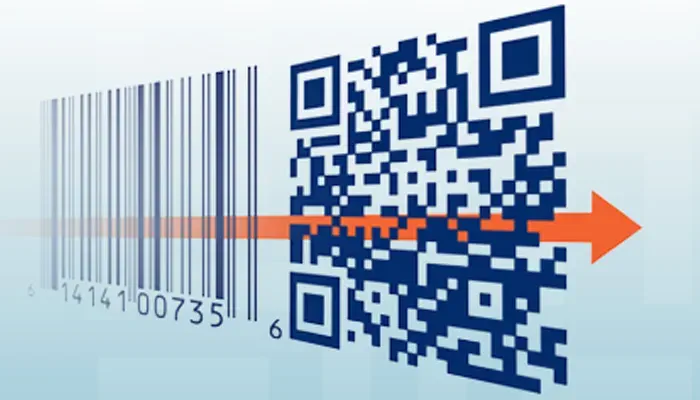
Es posible que haya observado que las rayas blancas y negras de los artículos de alimentación están dando paso a un cuadrado compacto que contiene mucha más información. No se trata de una actualización cosmética, sino que forma parte de una transición mundial coordinada y dirigida por GS1 conocida como Amanecer 2027. Para los profesionales de la alimentación y el envasado, este cambio tiene muchas más consecuencias que un simple intercambio de códigos de barras.
GQ PACK, un fabricante de envases flexibles personalizados para alimentosLa industria de la alimentación y la bebidas, puede decirse que es el comienzo de una revisión digital de la identidad de los productos, las operaciones de la cadena de suministro y la participación de los consumidores. Comprender y adoptar Amanecer 2027 es un imperativo estratégico para las empresas que quieren mantener la trazabilidad, la conformidad y la ventaja competitiva.
Por qué los envases alimentarios deben prestar atención a Sunrise 2027
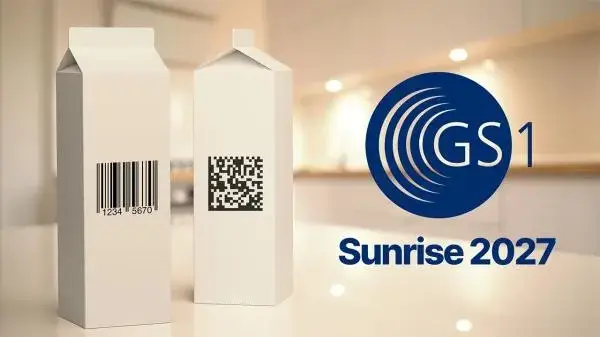
En el fondo, Amanecer 2027 exige que los sistemas de punto de venta (TPV) admitan un código de barras 2D en los productos para finales de 2027. Este plazo impone a fabricantes, marcas y transformadores la obligación de asegurarse de que los envases están preparados para QR y Data Matrix, y sus implicaciones son especialmente importantes para el sector alimentario:
- Seguridad alimentaria y trazabilidad de precisión
Los códigos de barras lineales tradicionales (por ejemplo, EAN-13) simplemente llevan un identificador de producto. Un código bidimensional conforme a GS1 puede contener números de lote, fechas exactas de consumo preferente, identificadores de línea de producción y datos de origen. En caso de contaminación o retirada del mercado, las marcas pueden utilizar esos datos incorporados para identificar un único lote afectado y efectuar una retirada rápida y limitada, minimizando el riesgo, la exposición legal y los daños a la marca. - Satisfacer las expectativas de información de los consumidores
Los compradores modernos exigen transparencia: procedencia de los ingredientes, información sobre alérgenos, certificaciones, métricas de sostenibilidad y huellas de carbono. Un código 2D se convierte en una puerta de acceso compacta a contenidos ricos -tablas nutricionales, historias de abastecimiento y documentos de certificación- sin saturar la cara del envase. Los estudios demuestran que una mayoría sustancial de consumidores prefiere productos que ofrezcan información accesible y verificable; el código 2D hace que esto sea escalable. - Cadena de suministro y eficacia operativa
En almacenamiento y logística, la captura de datos con "un solo escaneado" es transformadora. Un único escaneado 2D puede registrar simultáneamente la identidad del artículo, los datos del lote y las cantidades, lo que acelera la recepción, el recuento del inventario y la validación de los envíos, al tiempo que reduce los errores humanos y los costes asociados.
Retos y respuestas: Cómo los transformadores de envases y las marcas deben evolucionar juntos
Esta transición no está exenta de fricciones. Los proveedores de envases y los equipos de las marcas se enfrentarán a tres retos principales -impresión y proceso, integración de datos y fusión de diseños- y cada uno de ellos requiere una mitigación coordinada.
1. Retos de impresión y proceso
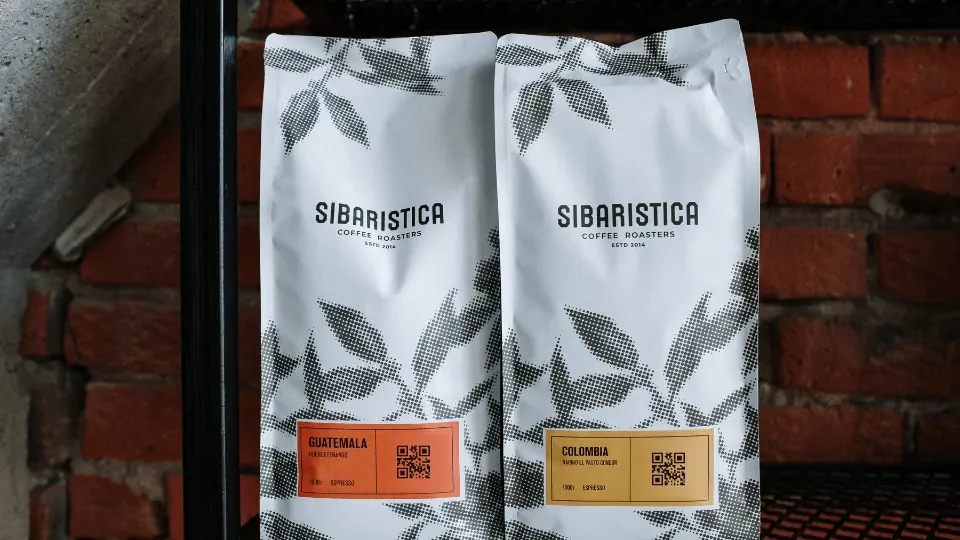
Los códigos 2D exigen una alta fidelidad de impresión. La distorsión, el bajo contraste y la curvatura de la superficie (en bolsas, fundas y cilindros) dificultan el escaneado. Las películas de alto brillo, los paneles metalizados y los fondos oscuros aumentan el riesgo.
Respuesta: Pruebas tempranas de compatibilidad de materiales. Trabajar con los convertidores para cualificar los sustratos, la tinta y las posiciones de impresión. Introducir la verificación en línea (comprobaciones de calidad basadas en cámaras) y protocolos estandarizados de verificación de la impresión para garantizar la legibilidad en la primera pasada en líneas de alta velocidad.
2. Integración de datos y sistemas
La codificación de datos dinámicos de producción (lote, marca de tiempo, identificación de línea) en cada código y el mantenimiento de un vínculo fiable entre el envase físico y los conjuntos de datos de la empresa (ERP, MES, WMS) es un proyecto de TI tanto como de envasado.
Respuesta: Mapee el flujo de datos de extremo a extremo antes de imprimir. Implantar un sólido middleware o API para vincular los metadatos de producción a cada código único y mantener registros de auditoría. Poner a prueba pequeñas líneas de productos para comprobar el flujo de datos y alinear los formatos con los requisitos de ingestión de los socios minoristas.
3. Integración del diseño
A los equipos de las marcas les preocupa que los códigos perturben el diseño visual o reduzcan el impacto en los estantes.
Respuesta: Implique el diseño del envase desde el principio. Explore la colocación creativa, las zonas transparentes enmarcadas o el microcontenido anclado a la marca que aparece cuando se escanea el código. Estandarice un conjunto de plantillas de diseño que equilibren la legibilidad del escáner con la estética de la marca.
Sunrise 2027 es la puerta de entrada al envasado inteligente
Más allá de la trazabilidad y la conformidad, el código 2D es un punto de acceso a casos de uso de envases inteligentes:
- Experiencias interactivas de los consumidores: programas de recompensas, sugerencias de recetas, narración de procedencias y controles antifalsificación.
- Marketing basado en datos: Los análisis de escaneado anónimos pueden revelar la geografía de compra y los patrones de consumo para una planificación más precisa de la demanda.
- IoT e integración de la cadena de frío: Los códigos pueden vincularse a registros de sensores (temperatura, humedad) registrados durante el transporte para proporcionar historiales de calidad verificados.
- Informes reglamentarios y de sostenibilidad: Los datos empaquetados facilitan la elaboración automatizada de informes para reguladores y minoristas.
Desde un punto de vista estratégico, el cambio a los códigos 2D no es una carga de cumplimiento, sino la tecnología que permite un ciclo de vida digital del producto.
Medidas prácticas para preparar la fecha límite de 2027
Con el reloj en marcha, he aquí algunas medidas concretas que los proveedores de envases y los propietarios de marcas deberían adoptar ya:
- Iniciar el diagnóstico y la planificación - auditar las SKU existentes, determinar qué productos deben llevar elementos de datos ampliados (lote, línea, caducidad) y asignar las capacidades actuales de codificación en línea.
- Ejecutar proyectos piloto - Elija una o dos referencias representativas y realice una prueba piloto de principio a fin con su convertidor y socio minorista, que incluya pruebas de impresión, validación de escaneado y transferencia de datos.
- Involucrar a los minoristas desde el principio - Confirme los requisitos técnicos y los plazos de cada uno de los principales socios minoristas para que su plan de actualización se ajuste a su preparación para el punto de venta.
- Convierta el cumplimiento en diferenciación - considerar cómo el código 2D puede albergar contenidos de valor añadido (historias de abastecimiento, certificaciones, fidelidad) e integrarlos en el diseño del envase y los planes de marketing.
Conclusión
Amanecer 2027 marca el inicio de una nueva era para los productos envasados. Para las empresas alimentarias, la migración de los códigos de barras lineales a los códigos 2D conformes con GS1 es mucho más que una actualización técnica: es una plataforma para mejorar la seguridad alimentaria, la resistencia de la cadena de suministro y la participación de los consumidores. Las marcas que empiecen a planificar hoy -probando materiales, actualizando los flujos de datos y probando casos de uso- no sólo cumplirán el plazo de conformidad, sino que también desbloquearán nuevas ventajas comerciales y operativas. Adoptar este cambio ahora es una inversión mesurada en confianza, transparencia y envases preparados para el futuro.
Para más detalles sobre el programa y las directrices técnicas de GS1, consulte el sitio web de GS1: https://www.gs1.org/ y GS1 Hong Kong: https://www.gs1hk.org/zh-cn.