ES
ES  EN
EN  DE
DE  FR
FR  RU
RU  AR
AR  JA
JA 
Beverage packaging needs to do more than contain a liquid. It must match the product, filling process, transportation conditions, consumer use, and brand presentation.
For beverage brands, the right flexible beverage packaging format can affect sealing performance, filling efficiency, convenience, packaging cost, and shelf appeal. Common solutions include beverage spout pouches, beverage injection bags, beverage bottle labels, and beverage shrink sleeve labels.
Como flexible beverage packaging manufacturer, GQ PACK explains how these packaging types work and where each solution fits different beverage applications.
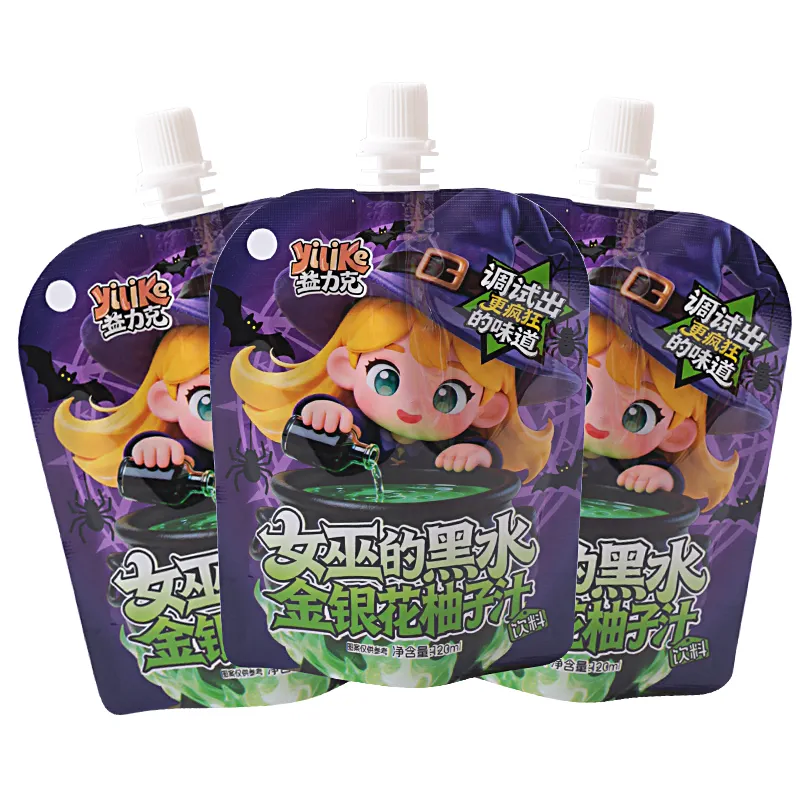
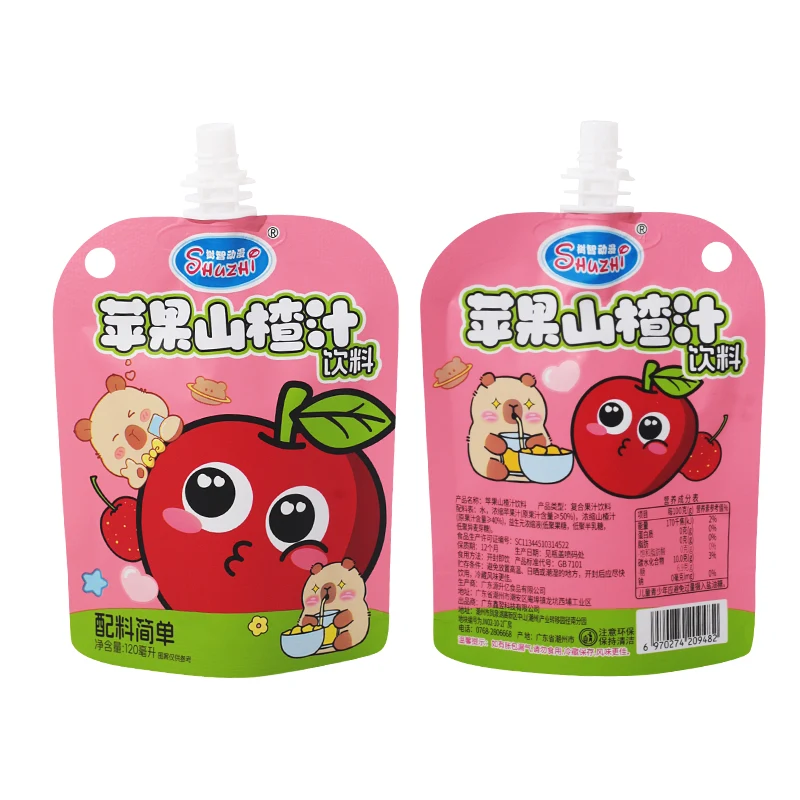
1. Beverage Spout Pouch
A beverage spout pouch combines a flexible pouch body with a spout and cap. It is designed for liquid products that require convenient dispensing and consumption.
The pouch structure can be customized according to the beverage’s barrier, sealing, and shelf-life requirements. Spout configurations can also be adjusted to match the product and filling equipment.
Key Features of Beverage Spout Pouches
- Flexible and lightweight packaging format
- Convenient dispensing through the spout
- Leak-resistant sealing
- Customizable pouch size, shape, and printing
- Available with functional features such as tamper-evident spouts and easy-open designs
This format is suitable for beverages where convenience, portability, and flexible packaging design are important.
For brands with specific filling equipment, the pouch dimensions and spout configuration should be confirmed before production. A fabricante de envases personalizados para bebidas can adjust these specifications according to the actual filling process rather than treating the pouch as a standard product.
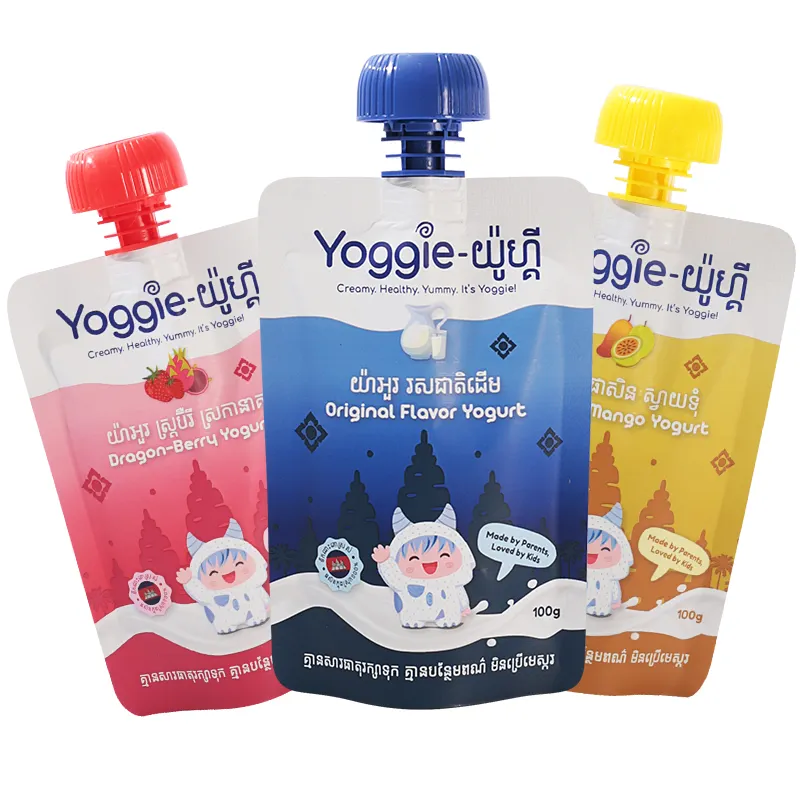
2. Beverage Injection Bag
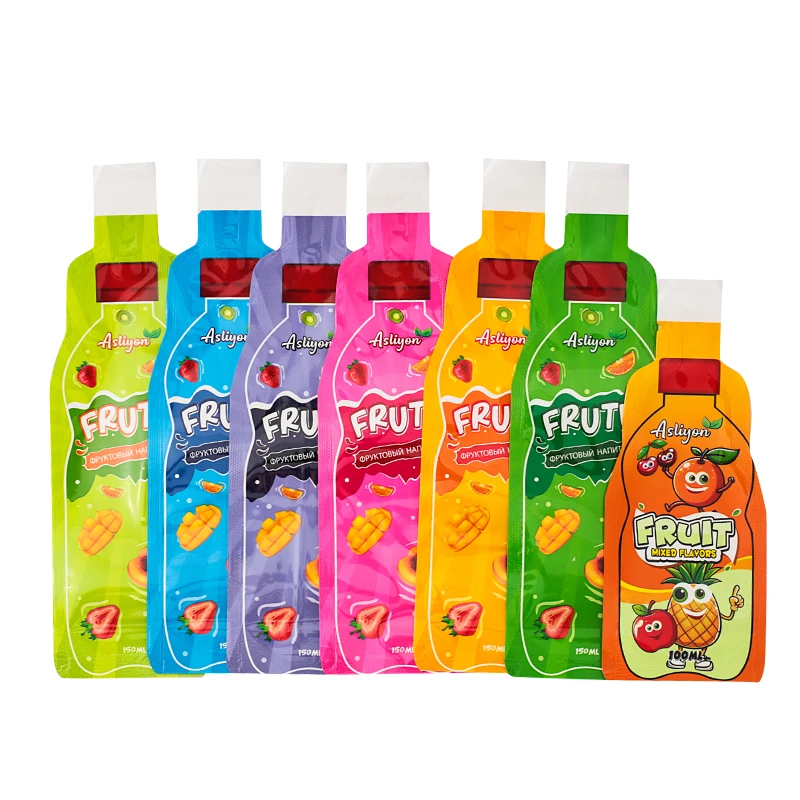
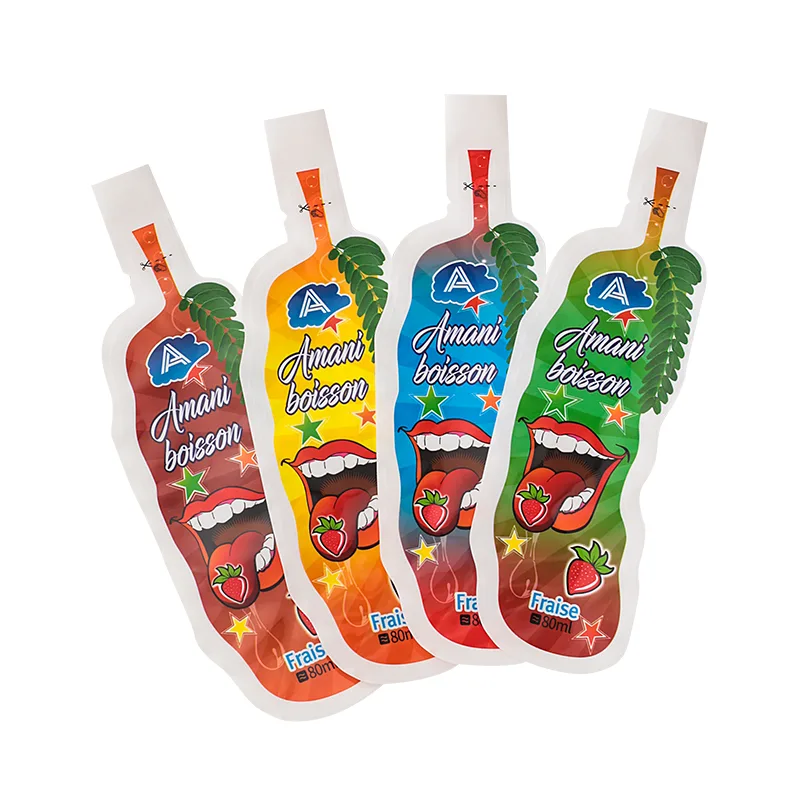
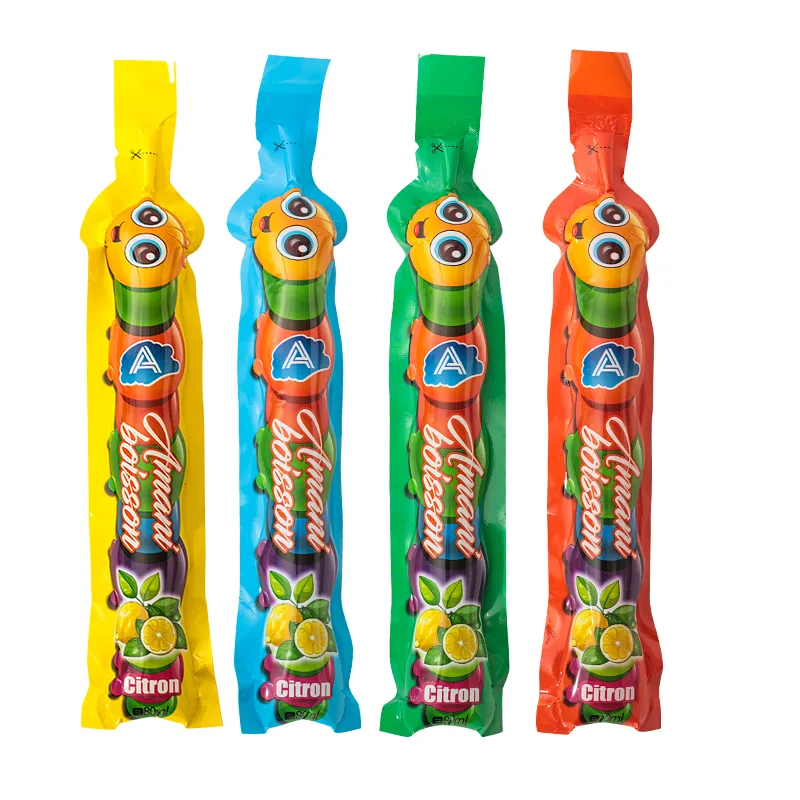
A bolsa de inyección para bebidas is another flexible packaging format for liquid products. Compared with conventional rigid containers, it provides a flexible structure while allowing customized shapes, sizes, materials, and graphics.
Its main value is the combination of flexible packaging, customized appearance, and production efficiency.
Why Choose Beverage Injection Bags?
Beverage injection bags can be considered when a brand wants:
- A flexible alternative to rigid beverage containers
- Customized packaging shapes and sizes
- High-quality printed graphics
- A cost-effective liquid packaging format
- Compatibility with specific filling requirements
The actual packaging structure should be selected according to the beverage characteristics, filling process, and required protection level.
For large-volume projects, working directly with a fabricante de envases para bebidas can also make it easier to coordinate material selection, dimensions, printing, sampling, and mass production.
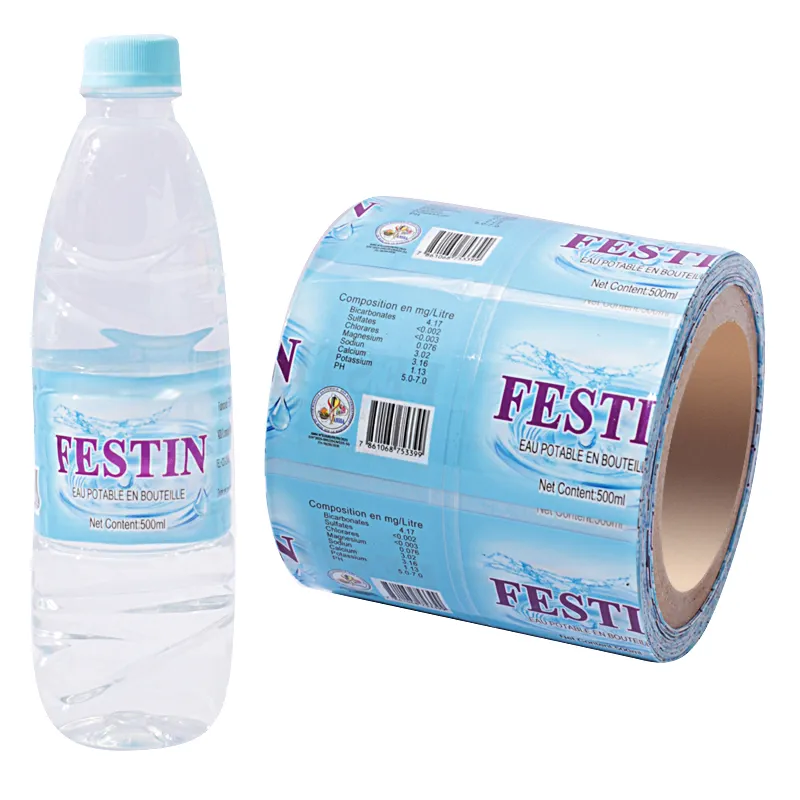
3. Beverage Bottle Labels
Not every beverage requires a flexible container. For bottled beverages, the label becomes an important part of the packaging system.
Custom beverage bottle labels provide product information and brand presentation while fitting the surface of the bottle.
Compared with shrink sleeve labels, conventional bottle labels generally provide a more focused branding area rather than covering the entire bottle.
What Can Be Customized?
Depending on the project, buyers can customize:
- Label dimensions
- Colores de impresión
- Artwork and graphics
- Material
- Acabado superficial
- Bottle-specific sizing
The label needs to match the bottle geometry and application process. Incorrect dimensions or unsuitable material can create problems during labeling, transportation, or refrigerated storage.
For brands using automated labeling equipment, it is therefore important to provide the bottle dimensions and labeling requirements before production.
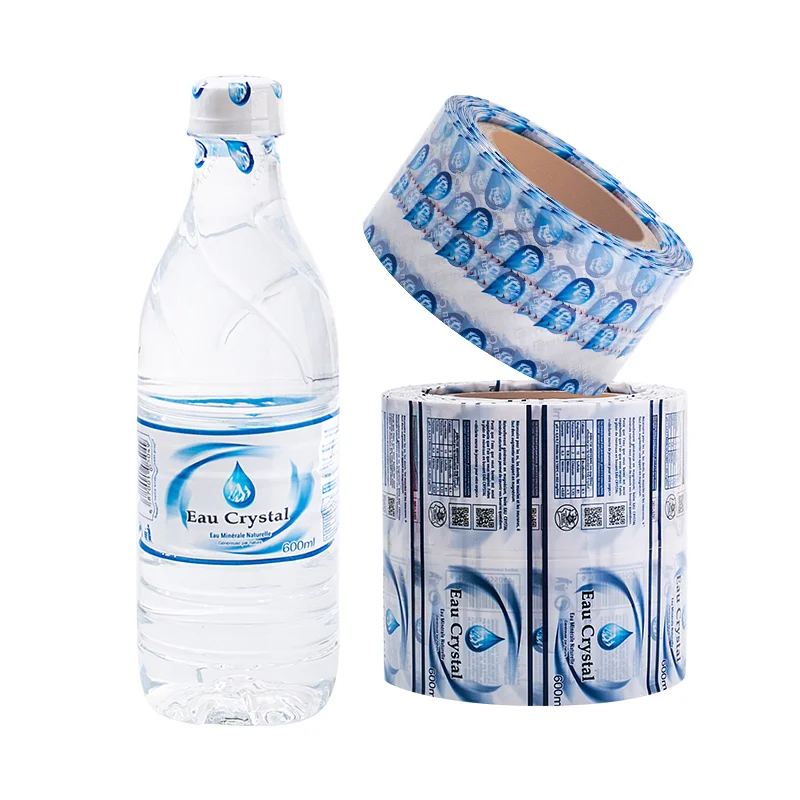
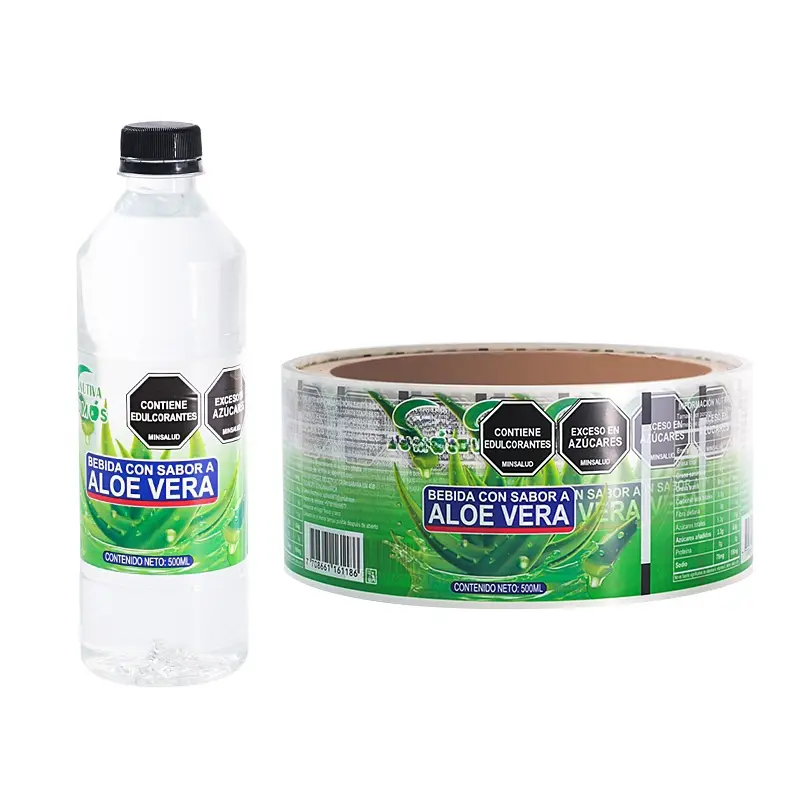
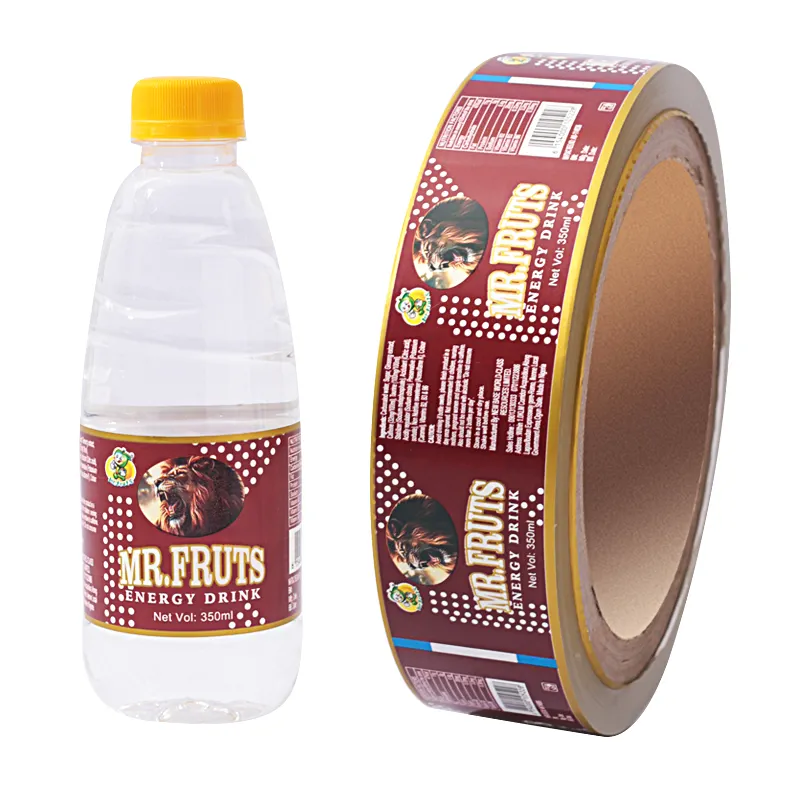
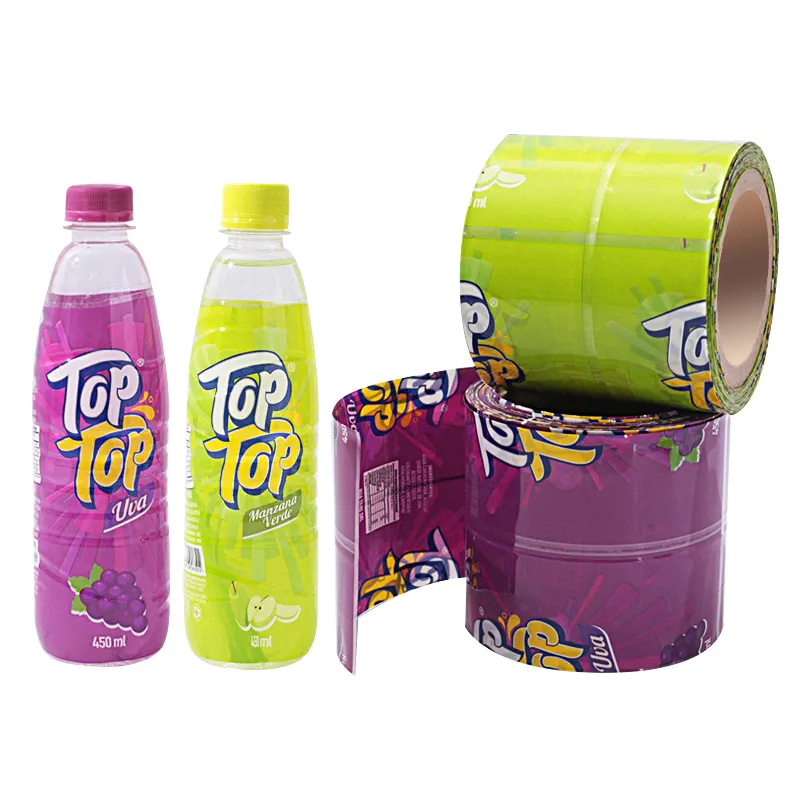
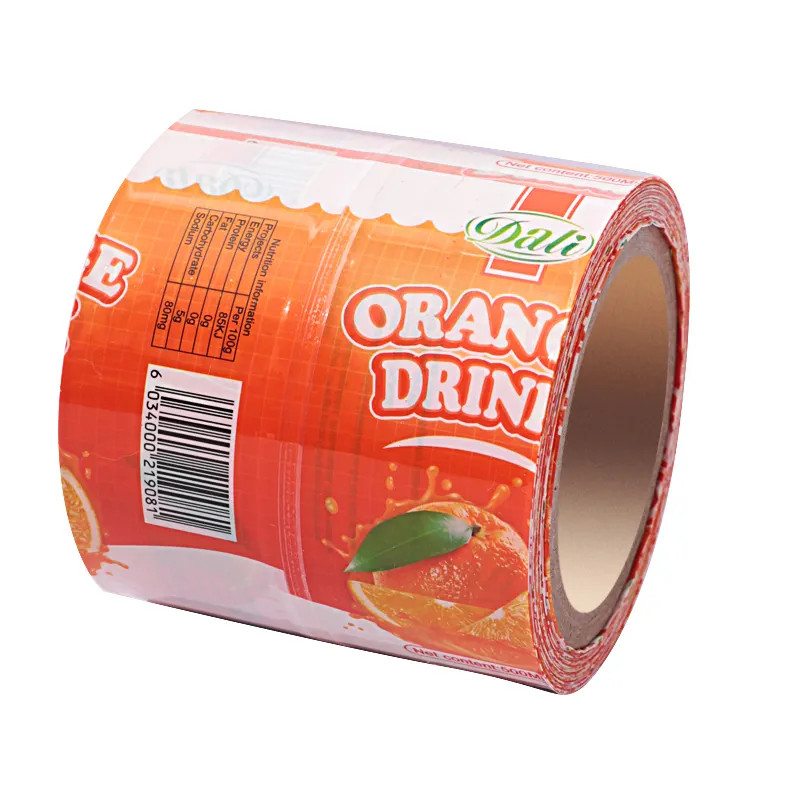
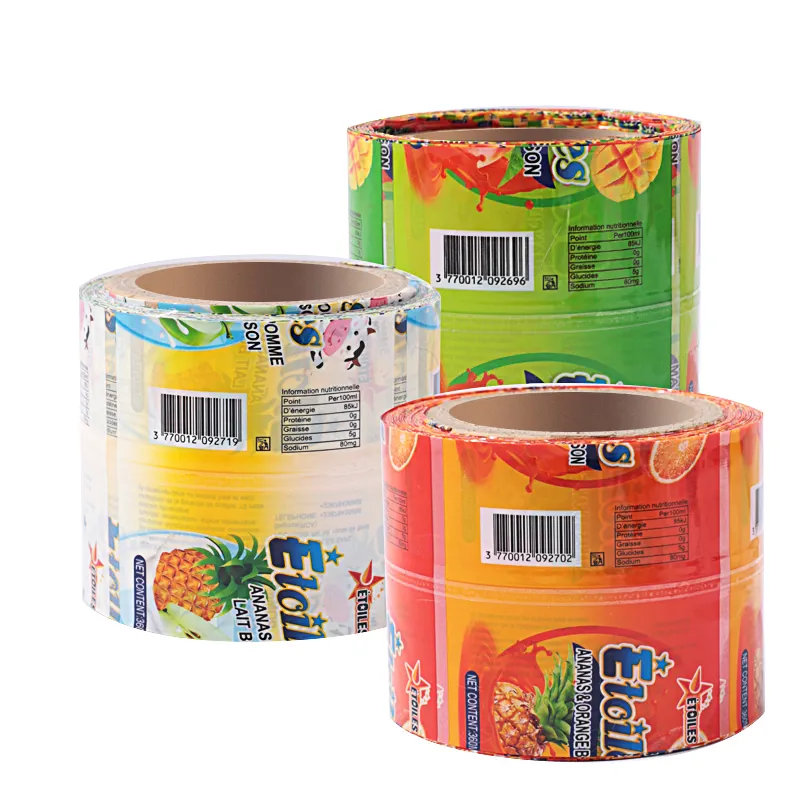
4. Beverage Shrink Sleeve Labels
A beverage shrink sleeve label uses heat-shrinkable film to conform to the shape of a beverage bottle.
Unlike a conventional bottle label, a shrink sleeve can provide 360-degree branding, making better use of the bottle surface for graphics, product information, and brand communication.
Shrink sleeve labels are particularly useful for bottles with curved, irregular, or customized shapes.
Key Advantages of Beverage Shrink Sleeve Labels
360-degree branding:
The sleeve can cover most of the bottle surface, creating a larger visual area for brand graphics and product information.
Suitable for different bottle shapes:
The film can shrink around round, square, and other customized bottle designs when the material and shrink characteristics are correctly selected.
Impresión de alta calidad:
Gravure printing can provide detailed graphics, strong color reproduction, and clear text for beverage packaging.
Moisture resistance:
Beverage bottles may encounter condensation, refrigeration, and humid environments. Appropriate shrink sleeve materials can help maintain label appearance under these conditions.
Functional customization:
Shrink sleeves can also be designed with tamper-evident features when required.
Material options shown in current beverage shrink sleeve solutions include PVC, PET, and BOPP, depending on the required application and performance.
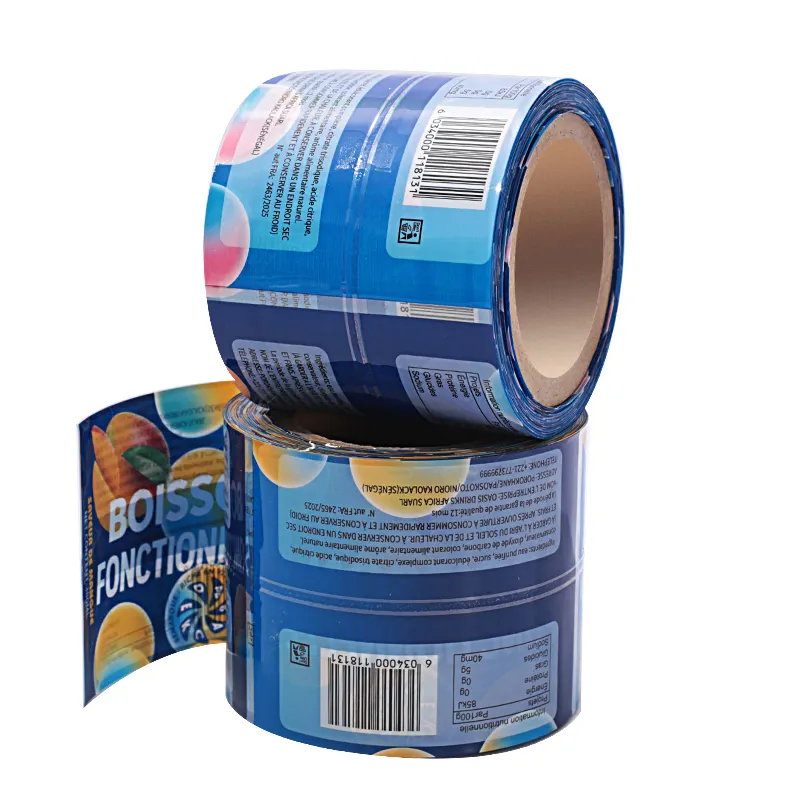
Beverage Bottle Label vs. Shrink Sleeve Label
The two formats serve similar branding purposes but are used differently.
| Característica | Beverage Bottle Label | Beverage Shrink Sleeve Label |
|---|---|---|
| Cobertura | Partial bottle surface | Up to 360° coverage |
| Bottle shape | Best suited to conventional surfaces | Suitable for curved and irregular shapes |
| Branding area | Moderado | Grande |
| Impresión | Personalizado | High-definition full-body printing |
| Aplicación | Standard labeling process | Heat-shrink application |
| Tamper-evident option | Depends on design | Can extend over the cap |
| Best suited for | Straightforward bottle branding | Strong shelf presentation and full-body branding |
For brands using a customized bottle shape or requiring maximum visual coverage, custom beverage shrink sleeve labels provide more design flexibility. For simpler bottle designs, conventional beverage bottle labels may provide a more straightforward solution.
How to Choose the Right Flexible Beverage Packaging
The correct packaging type depends on more than appearance. Buyers should first consider the beverage and production requirements.
Tipo de producto
Liquid beverages with direct consumer dispensing requirements may be suitable for bolsas de caño o bolsas de inyección.
Bottled beverages generally require a etiqueta de la botella o etiqueta de funda retráctil as the external branding solution.
Filling and Packaging Equipment
Packaging must work with the existing filling or labeling equipment.
For pouches and injection bags, dimensions, sealing areas, and spout configurations need to match the filling line.
For bottle labels and shrink sleeves, bottle dimensions and application equipment need to be considered before mass production.
GQ PACK states that its beverage packaging process evaluates filling-line and product requirements before production and adjusts packaging dimensions, structures, and spout configurations accordingly.
Protección del producto
Material structure should be selected according to the beverage’s requirements, shelf life, transportation conditions, and target market.
High-barrier structures may be required for products that are particularly sensitive to oxygen, moisture, or light.
Brand Positioning
Packaging format also affects how a beverage appears on the shelf.
A custom beverage packaging supplier can coordinate packaging size, printing, colors, surface treatment, and functional features to create a consistent visual identity.
What a Beverage Packaging Manufacturer Can Customize
Customization is not limited to printing the brand logo.
Depending on the packaging format, manufacturers can work with buyers on:
- Selección de materiales
- Packaging dimensions
- Pouch shape
- Spout configuration
- Bottle label size
- Shrink sleeve dimensions
- Printing design
- Surface treatment
- Funciones
- Filling-line compatibility
- Sample production
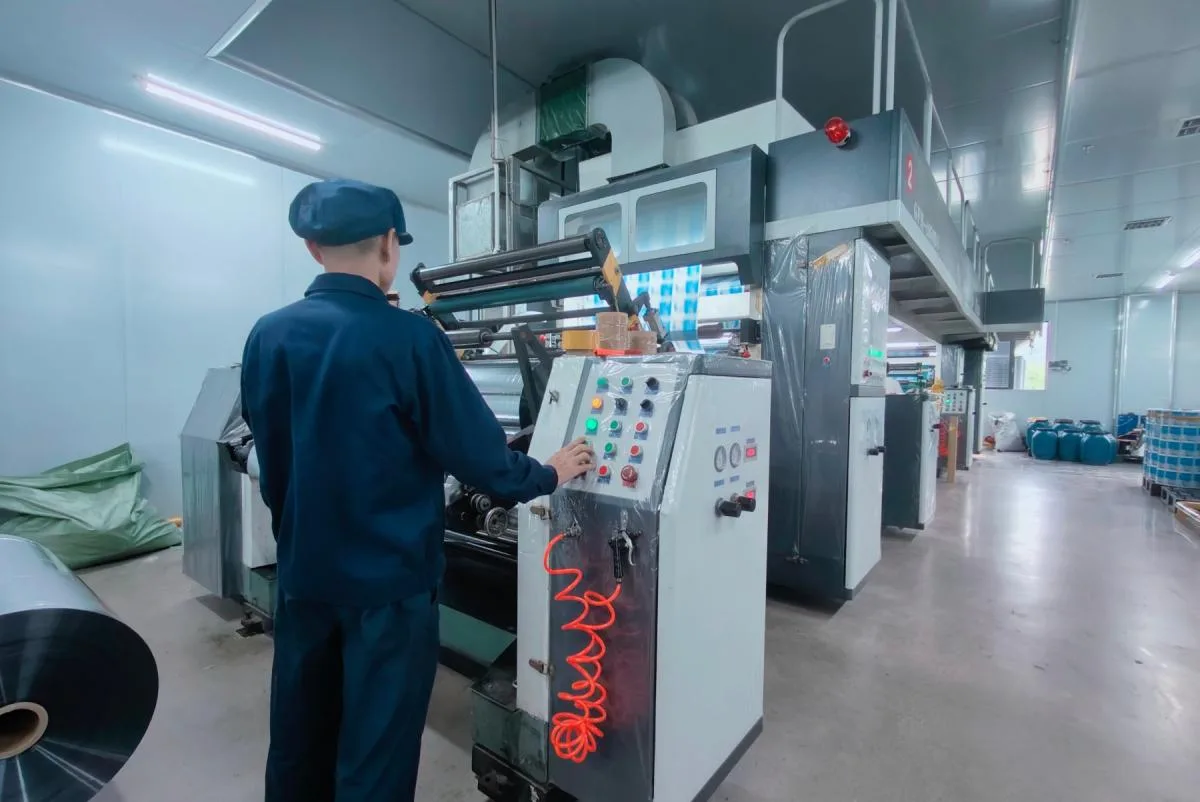
For example, GQ PACK’s current beverage packaging service covers OEM/ODM beverage services, including packaging format, material, size, printing design, and functional features.
The manufacturer can also support the process from requirement analysis → design and development → sampling → production and quality control → logistics.
Conclusión
There is no single flexible beverage packaging format suitable for every beverage.
Bolsas de caño focus on convenient liquid consumption, while bolsas de inyección para bebidas provide a flexible and customizable liquid packaging solution. For bottled beverages, beverage bottle labels offer straightforward product branding, while beverage shrink sleeve labels provide larger branding coverage and greater flexibility for customized bottle shapes.
The key is to select the packaging format according to the product, filling or labeling equipment, required protection, packaging cost, and brand presentation.
For brands developing customized beverage packaging, working with an experienced fabricante de envases personalizados para bebidas can help connect these requirements before mass production and reduce problems caused by mismatched materials, dimensions, or production processes.