ES
ES  EN
EN  DE
DE  FR
FR  RU
RU  AR
AR  JA
JA 
For coffee brands, packaging is not only responsible for protecting the product but also plays an important role in maintaining freshness, aroma, and customer experience. Many premium coffee products use coffee bags with valves, especially freshly roasted coffee, but this raises an important question for buyers: Do coffee bags need a one-way degassing valve?
The answer depends on several factors, including the type of coffee, roasting process, expected shelf life, and market positioning. While a valve can significantly improve the performance of fresh coffee packaging, it is not always necessary for every coffee product.
For coffee roasters, distributors, and brands, choosing the right packaging solution before production can help avoid unnecessary costs while ensuring product quality. Working with an experienced fabricante de envases de café allows brands to evaluate whether valve packaging is suitable for their specific application.
What Is a One-Way Degassing Valve and How Does It Work?
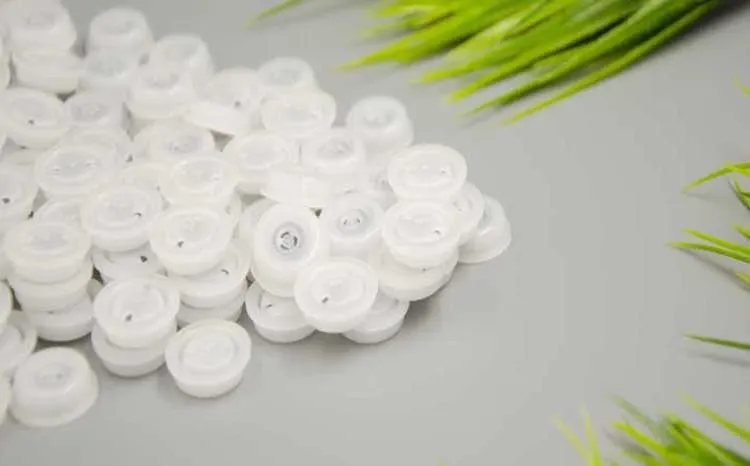
A one-way degassing valve is a small but important component commonly installed on coffee bags to manage gas released from freshly roasted coffee. It is also known as a coffee bag valve or coffee degassing valve.
Freshly roasted coffee continues releasing carbon dioxide (CO₂) after roasting. If the coffee is sealed in a completely airtight package immediately after roasting, the accumulated gas can increase internal pressure and cause packaging problems.
A one-way valve solves this issue by allowing CO₂ to escape from inside the bag while preventing oxygen from entering.
The working process is simple:
- After roasting, coffee releases CO₂ inside the sealed bag.
- The internal pressure pushes the gas through the valve.
- Once the pressure decreases, the valve closes again.
- External air, moisture, and contaminants are blocked from entering.
This design helps protect coffee quality by reducing oxidation risks while maintaining the packaging’s appearance and stability.
For brands selling premium roasted coffee, coffee bags with a valve are often considered an essential packaging feature because freshness and aroma are major purchasing factors.
Why Freshly Roasted Coffee Releases Carbon Dioxide
The need for a one-way degassing valve comes from the natural coffee degassing process after roasting.
During roasting, chemical reactions inside coffee beans create various compounds, including carbon dioxide. After roasting is completed, the beans slowly release this trapped gas over time.
The amount of CO₂ released depends on factors such as:
- Roast level
- Coffee bean variety
- Roasting temperature
- Condiciones de almacenamiento
- Grinding level
If freshly roasted coffee is packed without proper gas management, several problems may occur:
- Coffee bags may expand or become swollen.
- Excess pressure may affect seals.
- Packaging may lose its intended appearance.
- Product quality may decline due to improper storage conditions.
For this reason, fresh coffee packaging must consider not only barrier performance but also the ability to handle post-roasting gas release.
Un profesional proveedor de envases para café can help brands determine whether valve packaging is required based on their product characteristics.
Do All Coffee Bags Need a One-Way Degassing Valve?
The simple answer is no.
Not every coffee product requires a valve. The decision depends on the type of coffee product and the freshness expectations of the market.
Roasted Coffee Beans: Valve Packaging Is Usually Recommended
For freshly roasted whole coffee beans, a valve is highly recommended.
Whole beans typically release a significant amount of CO₂ after roasting, especially during the first days after production. Using roasted coffee packaging with a one-way valve helps brands maintain product freshness while preventing packaging issues.
Valve coffee bags are especially suitable for:
- Marcas de cafés especiales
- Local coffee roasters
- Premium retail coffee products
- Freshly roasted subscription coffee
For these products, customers often expect strong aroma, freshness, and high-quality packaging. A valve helps support the premium positioning of the product.
Ground Coffee: Depends on Freshness Requirements
Ground coffee requires a more careful evaluation.
Because grinding increases the surface area of coffee particles, gas release and oxidation behavior are different compared with whole beans.
Whether ground coffee needs a valve depends on:
- How soon the product reaches consumers
- Expected shelf life
- Condiciones de distribución
- Posicionamiento de la marca
For premium freshly ground coffee, valve packaging can still provide benefits.
For large-volume commercial coffee products with longer storage cycles, brands may choose alternative solutions depending on cost and performance requirements.
Instant Coffee and Processed Coffee Products: Usually Optional
Instant coffee and some processed coffee products usually have lower degassing requirements.
For these products, packaging priorities are often focused on:
- Resistencia a la humedad
- Rendimiento de la barrera al oxígeno
- Long shelf stability
In many cases, a one-way valve is not necessary unless the product formulation or market positioning requires it.

Coffee Bags With Valve vs Coffee Bags Without Valve: Which Is Better?
Both options have their own advantages. The right choice depends on the product requirements.
| Coffee Bags With Valve | Coffee Bags Without Valve | |
|---|---|---|
| Gas management | Excellent CO₂ release | Limitado |
| Fresh roasted coffee suitability | Highly suitable | Less suitable |
| Packaging cost | Más alto | Baja |
| Premium appearance | Stronger | More basic |
| Typical applications | Specialty coffee, roasted beans | Products with lower degassing needs |
For brands selling freshly roasted coffee, coffee packaging with valve provides clear advantages.
However, adding a valve does not automatically make packaging better. If the coffee product does not require degassing protection, a valve may increase costs without creating meaningful benefits.
The best solution is the one that matches the product, market, and budget.
How Different Coffee Brands Should Choose Valve Packaging
Specialty Coffee Brands
Specialty coffee brands usually benefit the most from valve packaging.
These brands often compete through:
- Coffee freshness
- Aroma quality
- Premium customer experience
- Diferenciación de productos
Using bolsas de café personalizadas with one-way valves can help communicate quality and protect the product during storage and transportation.
Large-Scale Coffee Manufacturers
Large coffee manufacturers need to balance performance and cost.
Important considerations include:
- Production volume
- Packaging cost
- Distribution channels
- Target customers
For mass-market coffee, valve packaging should be evaluated based on whether the freshness benefits justify the additional cost.
Un profesional proveedor de envases para café can help large-scale producers select practical packaging solutions according to their business model.
New Coffee Brands and Startups
For new coffee brands, choosing packaging can be challenging because they may not have enough market feedback.
Before placing large orders, brands should consider:
- Testing different bag structures
- Confirming customer expectations
- Evaluating shelf-life requirements
- Selecting suitable valve options
Choosing the correct packaging solution early can reduce future production changes and unnecessary costs.
How GQ PACK Helps Brands Choose the Right Coffee Packaging Solution
Selecting a coffee bag is not only about adding a valve. Brands need a packaging partner who understands product requirements and production details.
Como profesional fabricante de envases de café, GQ PACK helps customers develop suitable packaging solutions through:
Valve and Packaging Recommendations
GQ PACK can evaluate:
- Tipo de café
- Roasting conditions
- Storage requirements
- Entorno de distribución
Based on these factors, the appropriate valve solution can be recommended.
Custom Coffee Bag Development
Different coffee brands have different packaging requirements. GQ PACK supports:
- Bolsas de café con impresión personalizada
- Different bag styles
- Flexible packaging structures
- Sample testing before mass production
This allows brands to verify appearance, functionality, and performance before large-scale manufacturing.
Reliable Manufacturing and Quality Control
For bulk orders, consistent quality is essential.
GQ PACK focuses on:
- Stable production processes
- Packaging performance testing
- Quality inspection
- Reliable delivery support
By combining manufacturing experience with packaging expertise, GQ PACK helps coffee brands create packaging solutions suitable for their markets.
Conclusión
A one-way degassing valve is an important feature for many freshly roasted coffee products, but it is not required for every coffee bag.
Brands should consider:
- Coffee product type
- Requisitos de frescura
- Shelf-life expectations
- Posicionamiento en el mercado
- Packaging budget
For specialty coffee and freshly roasted products, coffee bags with valve are often the preferred choice. For other coffee categories, a customized evaluation may be more suitable.
Al trabajar con un profesional con experiencia fabricante de envases de café, brands can select the right combination of packaging structure, valve design, and production solution to protect product quality while controlling costs.
FAQ About Coffee Bag Degassing Valves
Why do coffee bags have one-way valves?
Coffee bags use one-way valves to release CO₂ produced after roasting while preventing oxygen from entering the package. This helps maintain coffee freshness and aroma.
Are coffee bags without valves suitable for roasted coffee?
They can be used in some situations, but freshly roasted coffee usually benefits from valve packaging because it continues releasing gas after roasting.
How long does coffee release CO₂ after roasting?
The degassing period depends on the coffee type and roast level. Freshly roasted coffee typically releases significant CO₂ during the first days after roasting.
Can any coffee bag add a degassing valve?
Not every bag structure is suitable for valve installation. The valve type and placement should be considered during packaging design and manufacturing.