ES
ES  EN
EN  DE
DE  FR
FR  RU
RU  AR
AR  JA
JA 
El envase forma parte de la promesa del producto. Las marcas que dependen de terceros transformadores deben tratar el suministro de envases como un riesgo estratégico. La estabilidad de suministro de envases flexibles garantiza una presentación coherente de los productos, una vida útil predecible y un calendario fiable de comercialización, factores que influyen directamente en las relaciones con los minoristas y en la confianza de los consumidores.
En este blog, PAQUETE GQ, a fabricante de envases flexibles personalizados para alimentos, compartiremos nuestra opinión para ayudarle a comprender la importancia de trabajar con un fabricante de envases flexibles fiable.
Cómo es la "estabilidad" en la práctica
Estabilidad significa repetibilidad en múltiples dimensiones: composición coherente del material, rendimiento reproducible de la barrera, plazos de entrega fijos y coste unitario predecible. Cuando los compradores dicen que quieren un suministro estable de envases flexiblesPor lo tanto, exigen el mismo resultado visual, mecánico y funcional de un lote a otro y en todos los eventos de aprovisionamiento.
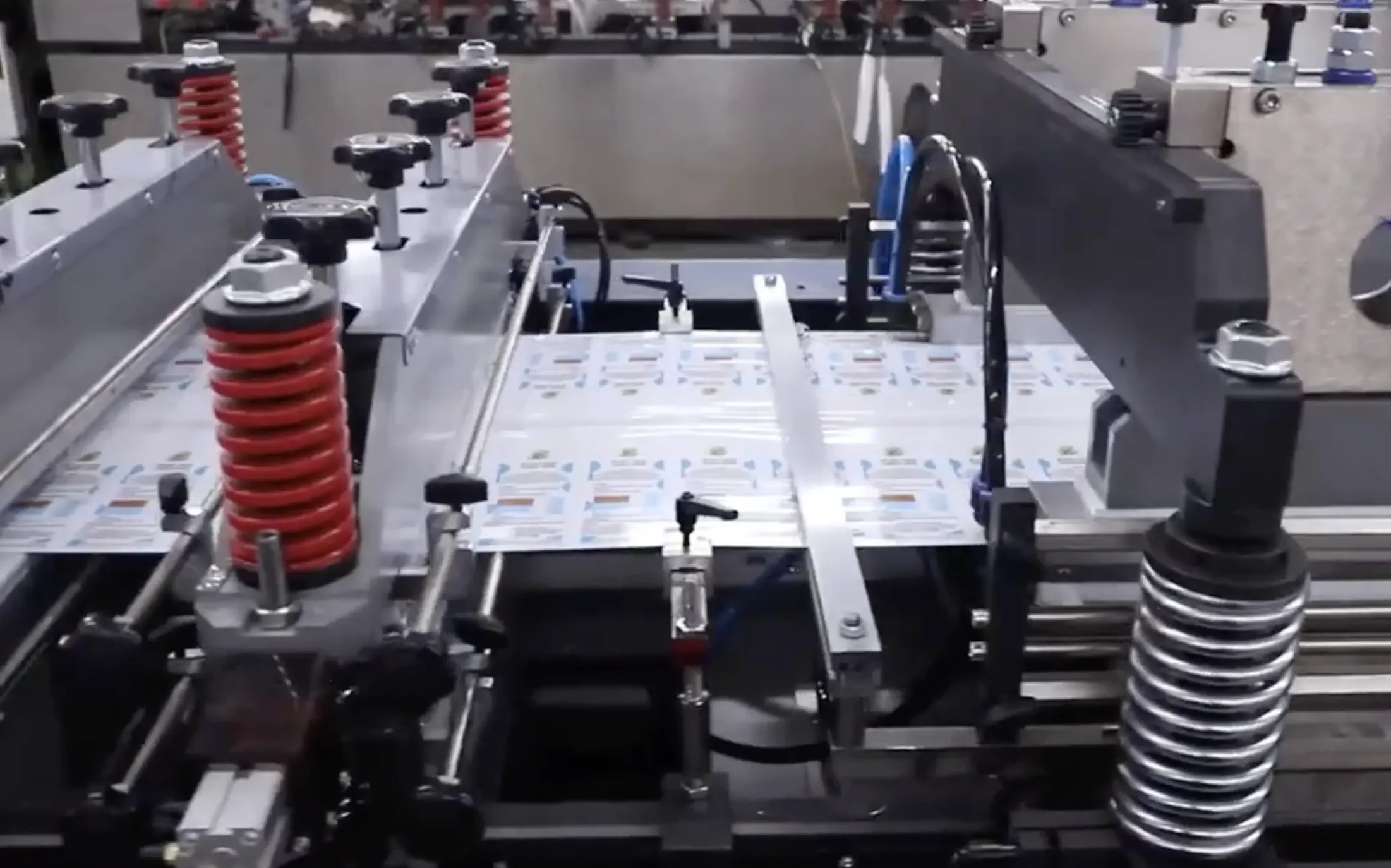
El impacto directo de las perturbaciones en las marcas alimentarias
Cuando la cadena de suministro se tambalea, la marca corre el mayor riesgo. Un retraso en la entrega de una película no solo paraliza una fábrica, sino que hace que se pierdan escaparates y se coloquen etiquetas de "agotado" que llevan a los clientes fieles a la competencia.
Además, un envasado inconsistente provoca la variabilidad de la vida útil. Si un lote específico de bolsas tiene un pequeño defecto en su barrera al oxígeno, el producto puede estropearse antes de la fecha impresa en la etiqueta. Esto da lugar a quejas de los consumidores, costosas devoluciones y una dilución "silenciosa" de la confianza en la marca que es difícil de cuantificar pero imposible de ignorar.
Riesgos materiales: Una visión relevante para la marca
Las marcas de alimentos no necesitan ser científicos de polímeros, pero deben entender cómo las fluctuaciones de material en un suministro estable de envases flexibles repercuten en la experiencia del consumidor:
Polietileno (PE): La capa de sellado. Las variaciones en este punto provocan fallos de sellado, que son la principal causa de los "envases abiertos" denunciados por los consumidores."
PET/BOPP: Las incoherencias afectan a la calidad de impresión y a la "rigidez" de la bolsa, lo que hace que un producto de primera calidad parezca "barato" en la estantería.
Nylon (NY): Esencial para la resistencia a la perforación. Un descenso de la calidad del nailon suele provocar "fugas" durante el transporte.
Papel de aluminio: La norma de oro para las barreras. Incluso los defectos microscópicos pueden provocar oxidación y pérdida de sabor.
EVOH: Esta barrera de alto rendimiento puede perder eficacia en condiciones de alta humedad si la estructura no se gestiona correctamente.
El riesgo oculto de la sustitución de materiales
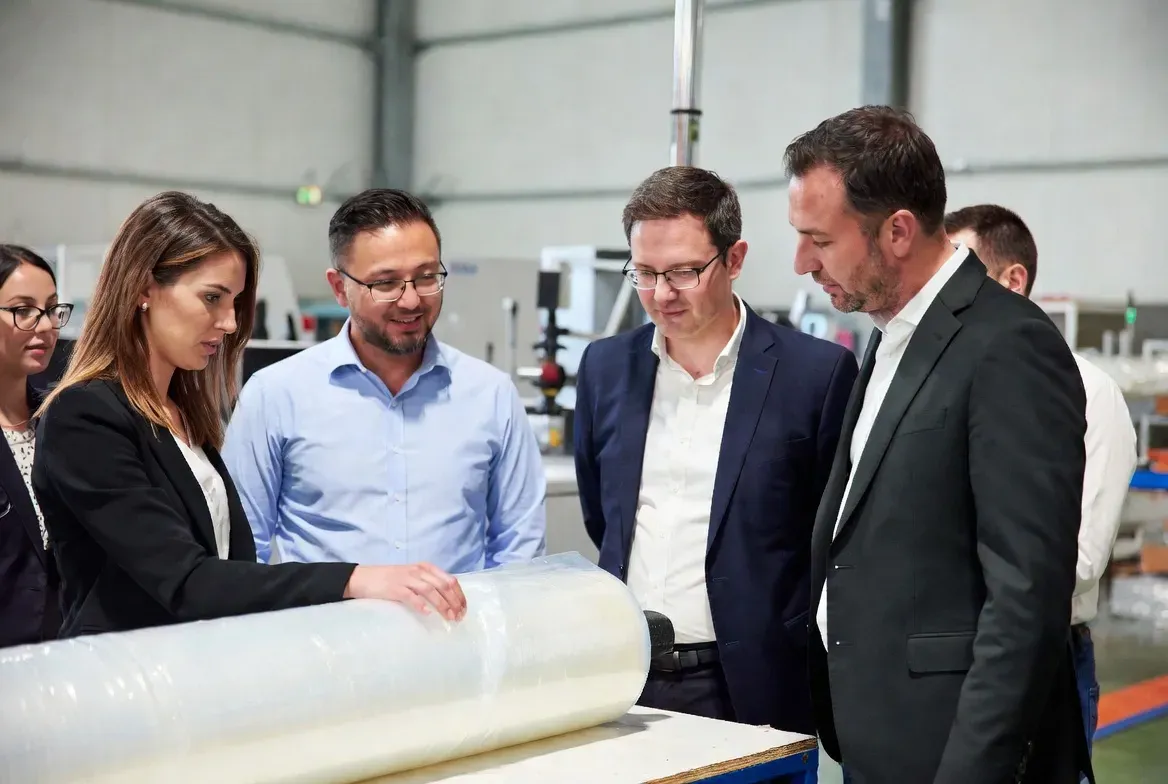
Una de las mayores amenazas para una marca alimentaria es la sustitución por un "equivalente funcional". Los proveedores pueden cambiar un grado específico de película por otro para mitigar sus propios costes o la escasez. Aunque puedan parecer similares, "funcionalmente similares" no es equivalente de marca. Un lote defectuoso causado por cambios de estructura no aprobados puede echar por tierra meses de inversión en marketing e I+D.
Por este motivo suministro estable de envases flexibles deben construirse sobre especificaciones "bloqueadas" que no puedan alterarse sin una validación rigurosa.
Control de cambios frente a precio unitario
En la fase de contratación, resulta tentador centrarse únicamente en el precio unitario. Sin embargo, el valor de un suministro estable de envases flexibles radica en los protocolos de control de cambios del proveedor.
Socios estables: Disponga de "sistemas de alerta temprana" y estrategias de múltiples fuentes de materias primas para garantizar que, aunque se produzca una escasez mundial de resina, su línea de producción no se vea afectada.
Proveedores reactivos: Sólo le dicen que hay un problema después de que el lote haya fallado o el envío se haya retrasado.

Lista de comprobación para evaluar la estabilidad del suministro
A la hora de calificar a los proveedores, las marcas deben pedir
(1) datos de la prueba de barrera específica del lote,
(2) procedimientos documentados de control de cambios,
(3) opciones de doble abastecimiento para las capas críticas,
(4) protocolos de pruebas piloto,
(5) métricas históricas de rendimiento y defectos.
Estos elementos revelan si un socio puede suministro estable de envases flexibles a escala y ritmo.
Contratos, indicadores clave de rendimiento y mecanismos de escalada
Traduzca la estabilidad en términos contractuales: defina acuerdos de nivel de servicio para el cumplimiento de los plazos de entrega, la tasa máxima de defectos aceptable, los plazos de notificación para la sustitución de materiales y las obligaciones de corrección. Exigir indicadores clave de rendimiento (KPI) y QBR periódicos para que el rendimiento del proveedor sobre suministro estable de envases flexibles sea mensurable y exigible.
Estrategias prácticas de mitigación para las marcas
Mitigue el riesgo con estrategias como el aprovisionamiento múltiple, el stock estratégico de bobinas acabadas, la previsión conjunta y los ensayos cofinanciados de laminados alternativos. En el caso de las referencias sensibles, incluya pruebas rollo a rollo y ensayos de caducidad acelerada para que sus suministro estable de envases flexibles afirmación está respaldada por datos, no sólo por garantías.
Conclusión
Un sistema previsible y auditable suministro estable de envases flexibles permite a las marcas escalar con confianza. Reduce el tiempo que los equipos dedican a combatir los problemas de envasado y libera recursos para centrarse en la innovación y la expansión del mercado. Para las marcas que persiguen un crecimiento sostenido, la estabilidad del envasado no es un centro de costes, sino un factor de competitividad.
Acerca de GQ PACK

PAQUETE GQ es un profesional fabricante de envases flexibles personalizados para alimentos con una producción interna centrada en la consistencia de los lotes y la estabilidad del suministro. Nuestra fábrica opera bajo especificaciones de material bloqueadas, estrictos procedimientos de control de cambios y pruebas de barrera a nivel de lote para garantizar un rendimiento OTR/MVTR, integridad de sellado y calidad de impresión repetibles en cada pedido.
Prestamos servicios a marcas B2B de todo el mundo envases flexibles personalizados para alimentos, incluyendo estructuras de bolsa, películas de barrera, impresión y elementos funcionales como cremalleras y ventanas. Combinando fabricación escalable, sistemas de control de calidad trazables y plazos de entrega predecibles, PAQUETE GQ ayuda a las marcas a reducir el riesgo de envasado y a mantener un abastecimiento fiable del mercado.