JA
JA  EN
EN  DE
DE  FR
FR  RU
RU  AR
AR  ES
ES 
フレキシブル食品包装は、多くの食品ブランドにとって好ましい選択肢となっている。消費者は利便性を求め、小売業者はコスト削減を望み、規制当局は消費者が棚に並んだ製品を消費する際に、最も環境破壊の少ない方法を使用するよう促すことを目的としているからである。
として 大手カスタム食品フレキシブル包装メーカーGQ PACKは、このシフトの背景となる要因について説明し、フレキシブル・フォーマットとリジッド・フォーマットを比較し、それぞれが食品包装戦略にとって依然として理にかなっている場合についてご説明します。
フレキシブル食品包装とは
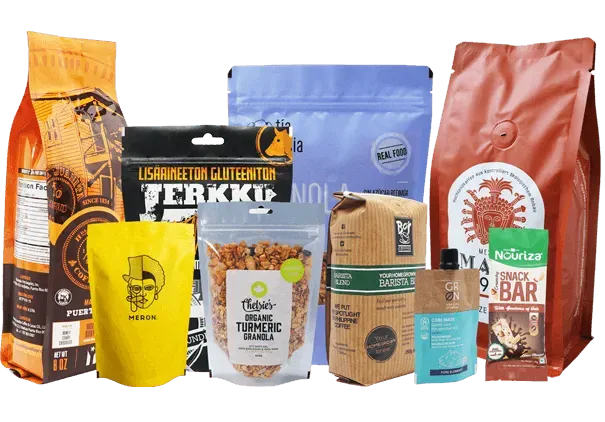
フレキシブル食品包装 は、折り曲げたり、折り畳んだり、折りたたんだりできるフィルム、パウチ、バッグをカバーする。
一般的な素材は以下の通り:
- ポリエチレン(PE)、
- ポリプロピレン(PP)、
- ポリエチレンテレフタレート(PET)、
- 二軸延伸ポリプロピレン(BOPP)、
- エチレン酢酸ビニル共重合体(EVOH)、
- アルミ箔複合材料。
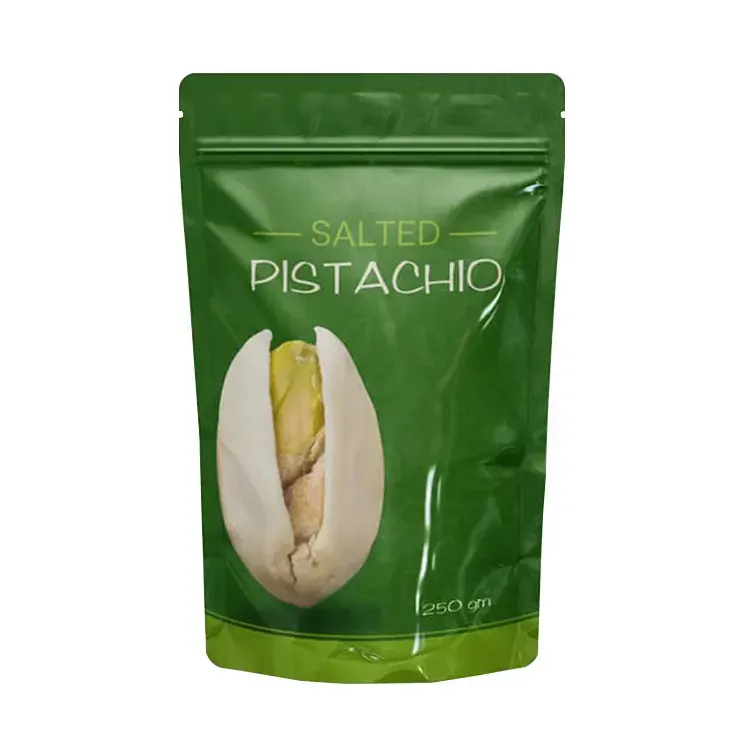
代表的な形式は、スタンドアップパウチ、スパウトパウチ、フラットボトムパウチ、ロールストック、小袋、真空バッグである。
だから、硬い食品包装とはまったく違う。
シフトの主な要因
材料とコスト効率
フレキシブル・フォーマットでは、リジッド・コンテナよりも単位当たりの原材料使用量がはるかに少ない。原材料が少ないということは、材料費の削減と、上流でのエネルギー使用量の削減を意味する。この節約は特に規模が大きくなるほど顕著で、フィルムベースのパッケージは缶、瓶、重いボトルと比較して、単位あたりの費用を劇的に削減することができます。
物流と保管の利点
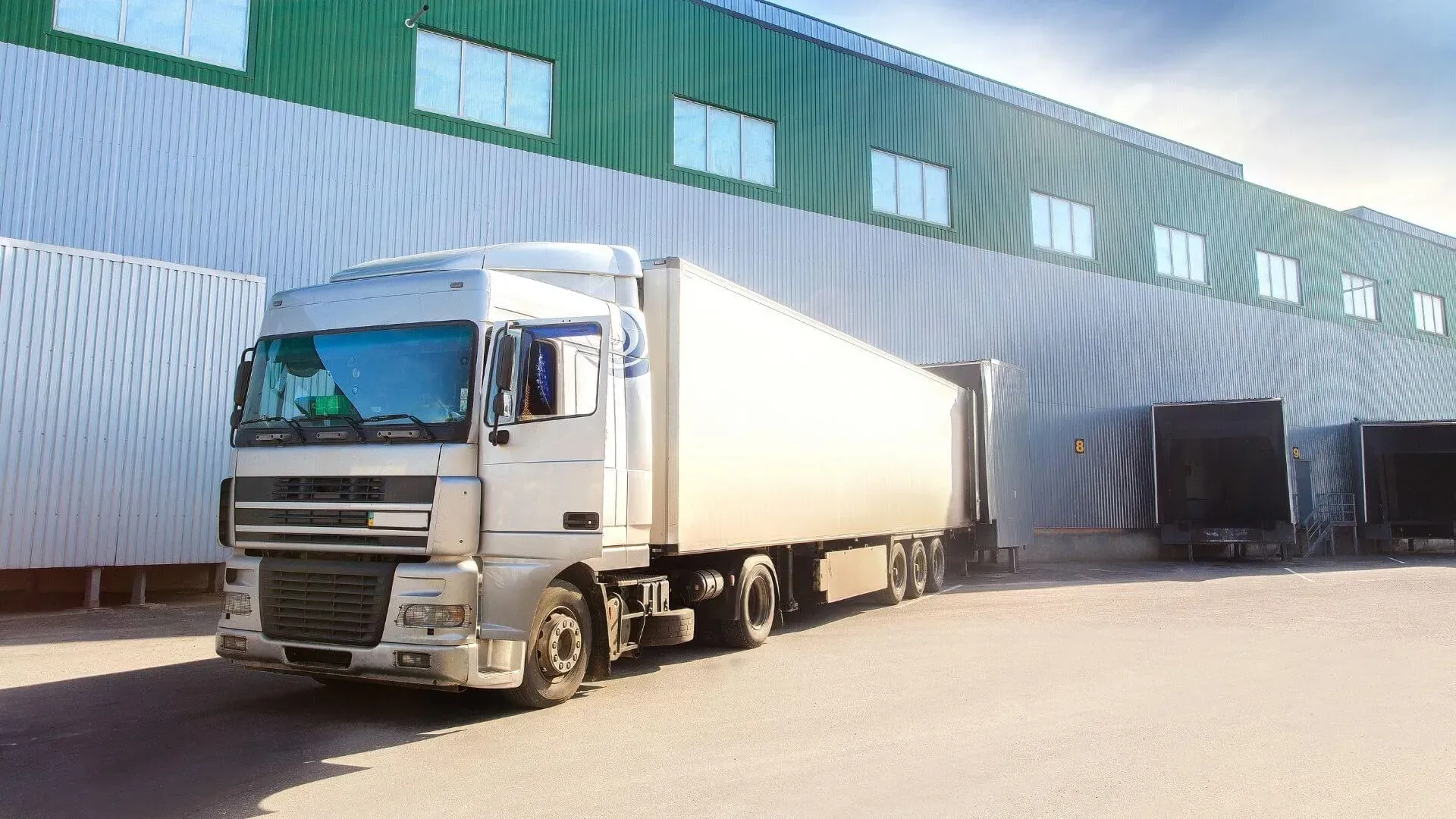
パウチは空になると折り畳まれ、輸送時にはしっかりと梱包されるため、パレットの利用率が向上し、輸送時の排出量が減少する。フレキシブル・パックは輸送が軽く、保管が安いため、輸送コストと食品ブランドの二酸化炭素排出量の両方を削減できる。
製品保護の向上と食品廃棄の削減
最近の多層フレキシブル食品包装には、湿気、酸素、光に対する優れたバリア性が組み込まれている。ハイ・バリア・ラミネートに脱酸素剤を加えたり、窒素フラッシュ・パッケージを組み合わせたりすることも可能で、コーヒー、スナック菓子、ドライ・フルーツなどの生鮮食品を長期間新鮮に保ち、廃棄物や返品を減らすことができる。
消費者の利便性と機能性
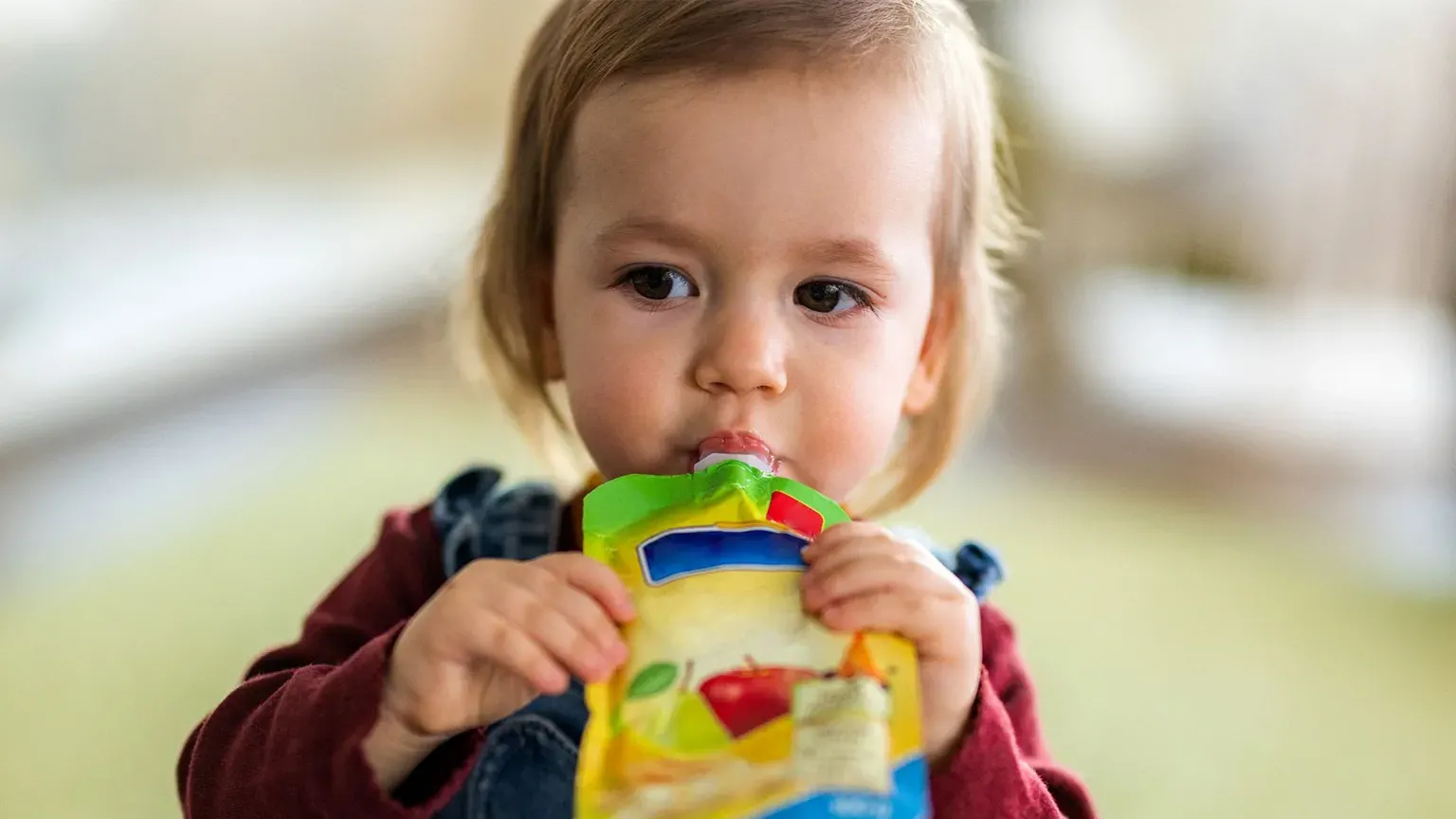
リシーラブルジッパー、注ぎやすい注ぎ口、シングルサーブパケット、その他の破れにくい機能を提供することで、消費者のアクティブな生活を向上させます。人間工学に基づいたデザインと軽量の箱のデザインは、消費者により良い体験を与え、日用品の保管方法を簡素化します。
サステナビリティの勢い
フレキシブルパックは、材料の使用量と輸送重量が少ないため、1個あたりのライフサイクル排出量が少ないことが多い。単一素材フィルム、リサイクル可能なPE/PPラミネート、堆肥化可能なフィルムの進歩は、多くのリジッドな代替品と比較して、フレキシブルなフォーマットの環境ケースを強化する。
性能比較:軟包装と硬包装の比較
| パラメータ | フレキシブル食品包装 | 硬質包装 |
|---|---|---|
| 素材使用 | 低 - 薄いフィルム、少ない材料/パック | 高 - ガラス、金属、厚いプラスチック |
| 輸送効率 | 折りたたみ可能、軽量 | 重い、かさばる |
| バリア機能 | 高い(ラミネート/EVOH/ホイル使用時) | 金属/缶は非常に高い。 |
| 棚の存在感 | 強力(大型プリントパネル) | 高級感を演出する強度(ガラス/瓶) |
| 消費者の利便性 | 高 - リシール、注ぐ、シングルサーブ | 様々 - 多くの場合、より重く、携帯性に劣る |
| 単価 | 通常、規模が大きくなるほど低くなる | 高くなることが多い(材料費と輸送費) |
| リサイクル性 | 改善(モノ資料、フィルムコレクション) | 多くの場合リサイクル可能(ガラス/金属) |
| 最良の使用例 | スナック、コーヒー、ソース、パウダー、冷凍食品 | 炭酸飲料、長期保存可能な缶詰、壊れやすい商品 |
柔軟なフォーマットが勝利する理由
- スナック菓子やキャンディー:軽量フィルムは、サクサクした食感を維持し、目を引く印刷をサポートします。
- コーヒーと紅茶:排気弁付きのバリア性の高い袋を使えば、香りを効果的に閉じ込めることができる。
- ソースや流動食スパウトパウチは、多くの場面でかさばるボトルや缶の代わりになる。
- 粉末食品とサプリメント:ジッパー付きスタンドアップパウチ。
- 冷凍・冷蔵食品:ヒートシール可能なソフトフィルムは、安全な冷凍を保証し、コンパクトな保存を実現します。
硬質包装がまだ理にかなっている場合
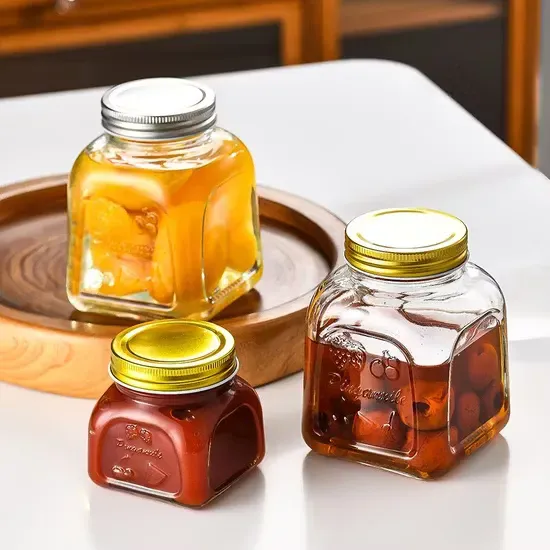
炭酸飲料(耐圧性)、缶詰の超長期保存安定性、高級プレゼンテーション(高級保存食用のガラス瓶)、堅牢な物理的保護が必要な製品など、特定のニーズには硬質容器の選択肢が依然として望ましい。硬質容器はまた、多くの自治体システムにおいてリサイクルが容易であり、持続可能性戦略に関連する考慮事項である。
食品ブランドのための実践ガイダンス
- 製品のニーズから始めよう。 必要な賞味期限、バリアターゲット(OTR/MVTR)、消費者の使用例を定義する。
- フォーマットと機能を一致させる。 携帯性とコスト効率を重視するならフレキシブルパウチを使い、強度や高級感が必要な場合のみリジッドパウチを選ぶ。
- 終末期プラン。 単一素材構造を優先し、廃棄の指示をオンパックで伝える。
- 早くから頻繁にテストを行う。 フォーマットを変更する前に、加速貯蔵寿命試験と流通試験を実施する。
- コンバーターと協力する。 バリア性能、印刷品質、リサイクル性をバランスさせた構造を共同開発する。
結論
の台頭 フレキシブル食品包装 は、経済性、性能、消費者の嗜好の明確な組み合わせによって推進されている。フレキシブルなフォーマットは、材料の使用量を減らし、物流コストを削減し、利便性を向上させ、うまく設計されていれば、持続可能性の目標をサポートする。
硬質包装は、特殊な技術的ニーズや高級なニーズには依然として適しているが、現代の多くの食品には、フレキシブルなソリューションが、保護、コスト、ユーザーエクスペリエンスの優れたブレンドを提供する。
革新を目指す食品ブランドにとって、適切なフレキシブル・フォーマットへの切り替えは、商業的にも環境的にも最もインパクトのある手段のひとつである。
GQ PACKについて,GQ PACKはプロの軟包装メーカーとして、独立した設計チームと自動化された生産ラインを持っており、水ボトルラベル、シュリンクスリーブラベル、軟包装袋などの種類をカバーし、高性能のカスタマイズされた軟包装製品を提供し続けています,GQ PACK軟包装メーカーについて,GQ PACKは2008年に中国広東省で設立されました。我々は豊富な経験と特許技術を持つ軟包装メーカーです。製品は、カスタム水ボトルラベル、シュリンクスリーブラベル、スパウトポーチ、スタンドアップポーチなどが含まれ、飲料、食品、日用品、ペット用品業界で広く使用されています。先進的な高速印刷機とラミネート機を装備した16の生産ラインを持ち、経験豊富な技術チームにサポートされており、高品質でカスタマイズされたパッケージングソリューションを提供しています。,コアバリュー,品質,革新,持続可能性,効率性,企業ビジョン,グローバルな顧客のための信頼されるフレキシブルなパッケージングパートナーになる,顧客コミットメント,効率的な、専門的かつ高性能なパッケージングソリューションを提供する,高速10色グラビア印刷ワークショップ,私たちの高速10色グラビア印刷ワークショップは、高度な印刷設備を装備し、高精度自動印刷システムを採用し、極端な細部と豊かな色の完璧なプレゼンテーションを達成することができます。GQ-PACKの無溶剤ラミネーション工場では、有害な溶剤を使用しない無溶剤ラミネーションプロセスを採用しています、PACKの無溶剤ラミネートワークショップは、熱と圧力を利用して複数のフィルム層を接着する高度なラミネート技術を備えており、耐久性、強度、柔軟性に優れたパッケージを作成することができます。PACKはプロフェッショナルなUV硬化システムと熱硬化システムを備えており、硬化したフレキシブルパッケージングが優れた耐摩耗性と防水性を持つことを保証します。検査ワークショップ,私たちは最新の自動検査システムを使用し、包装されたすべての製品がお客様に届く前に最高の品質基準を満たしていることを確認しています。さらに、包装の耐久性、シールの完全性、バリア性を確認するために、包装のすべてのバッチで極端なテストを実行します。 高速スリッター工場,私たちの高速スリッター工場は、迅速かつきれいにフレキシブルフィルム、ラミネート、特殊フィルムを含むさまざまな材料を処理し、均一なロールサイズを提供し、卓越した速度と精度で大量生産の需要を満たす、軟包装製袋工場,当社の軟包装製袋工場は、品質、スピード、精度を重視し、専門的な裁断、製袋、シール設備を備えており、各バッチの製品が正確な寸法、確実なシール、きちんとした外観を持つことを保証します、+ M²,工場面積,生産ライン,技術スタッフ,百万人,年間生産量,GQ Packはフレキシブル包装ソリューションを提供します:,飲料,食品,日用品,パーソナルケア,ペット用品,特殊カートン,農業,技術的なアプリケーション,なぜ私たちを選ぶ,私たちの工場の表示,国際認証,GQ Packは、ISO 9001、FDA、LFGB、CE、RoHS認証などを含むフレキシブル包装の分野で多くの認証を得ています。私たちは、製品の品質とユーザーエクスペリエンスを重視し、常に生産プロセスにおける持続可能な開発を堅持しています。,私たちのビジョン,包装はカラフルで、創造的で、強力です。,私たちは、各フレキシブルパッケージを作るとき、我々は製品だけでなく、無限の可能性を見ています。,私たちは能力を持っており、我々は常にこのようなものです。,私たちが作成するフレキシブルパッケージは単なる容器ではありません、それはブランドの物語のキャリアであり、製品の品質の送信機です。,どのような産業であっても、私たちのパッケージは、製品が市場とシームレスに接続し、信頼と価値を伝えることができます。

GQ PACKは 大手カスタム食品フレキシブル包装メーカー 安定した品質、迅速な納品、強い技術力で知られています。私たちは 開発する カスタム 食品フレキシブル包装ソリューション 世界中のブランド、小売業者、包装流通業者のために。
弊社では、以下のような幅広い種類のフレキシブル食品包装を在庫しています。 スパウトポーチ, スタンドポーチ, 平底ポーチそして 飲料用インジェクションバッグ.GQ PACKは、お客様の信頼に応え、品質を重視し、製品の成功をサポートするサプライヤーです。