JA
JA  EN
EN  DE
DE  FR
FR  RU
RU  AR
AR  ES
ES 
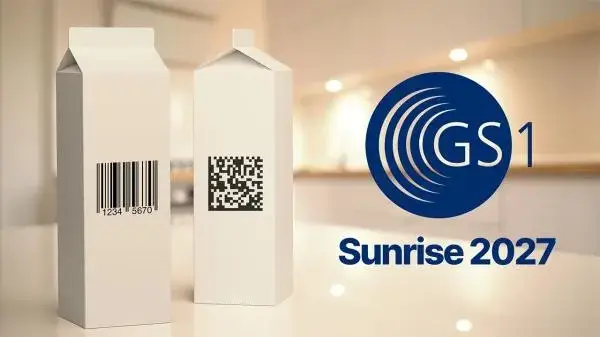
食料品の黒と白のストライプが、より多くの情報を格納するコンパクトな正方形へと静かに変化していることにお気づきだろうか。これは、GS1が主導する世界的な協調的移行の一環である。 サンライズ2027.食品と包装の専門家にとって、この変化は単純なバーコードの交換よりもはるかに重大である。
GQ PACK, a カスタムフレキシブルフードパッケージングメーカーそれは、製品アイデンティティ、サプライチェーン・オペレーション、消費者エンゲージメントのデジタルオーバーホールの始まりである。理解と採用 サンライズ2027 は、トレーサビリティ、コンプライアンス、競争優位性の維持を望む企業にとって、戦略的な必須事項である。
食品包装がサンライズ2027に注目しなければならない理由
その核心は サンライズ2027 は、2027年末までに小売POSシステムが製品の2Dバーコードをサポートすることを要求している。この時間枠は、メーカー、ブランド、コンバーターにとって、パッケージがQR/データマトリックスに対応していることを確実にするための運用期限を生み出し、その影響は食品セクターにとって特に大きい:
- 食品の安全性と精密なトレーサビリティ
従来のリニアバーコード(EAN-13など)は、単に製品識別子を運ぶだけでした。GS1 準拠の 2 次元コードには、バッチ番号、正確な賞味期限、生産ライン ID、原産地データを含めることができます。汚染やリコールが発生した場合、ブランドはその埋め込まれたデータを使用して、影響を受けた単一のバッチをターゲットとし、狭い範囲で迅速なリコールを実行することができます。 - 消費者の情報に対する期待に応える
現代の買い物客は、原材料の出所、アレルゲン情報、認証、持続可能性の指標、カーボンフットプリントなど、透明性を求めています。2Dコードは、栄養成分表、調達ストーリー、認証文書など、豊富なコンテンツへのコンパクトなゲートウェイとなり、パックの表面を乱雑にすることはありません。調査によると、消費者の大多数は、アクセス可能で検証可能な情報を提供する製品を好むことが分かっています。 - サプライチェーンと業務の効率化
倉庫管理やロジスティクスにおいて、「ワンスキャン」データキャプチャは変革をもたらします。1回の2Dスキャンで、商品の識別、ロットデータ、数量を同時に登録することができ、入荷、在庫カウント、出荷の検証を迅速化すると同時に、人的エラーと関連コストを削減します。
課題と対応:パッケージング・コンバーターとブランドはいかに共に進化しなければならないか
この移行に摩擦がないわけではない。パッケージング・サプライヤーとブランド・チームは、印刷と加工、データ統合、デザイン融合という3つの主要な課題に直面することになり、それぞれを調整する必要がある。
1.印刷とプロセスの課題
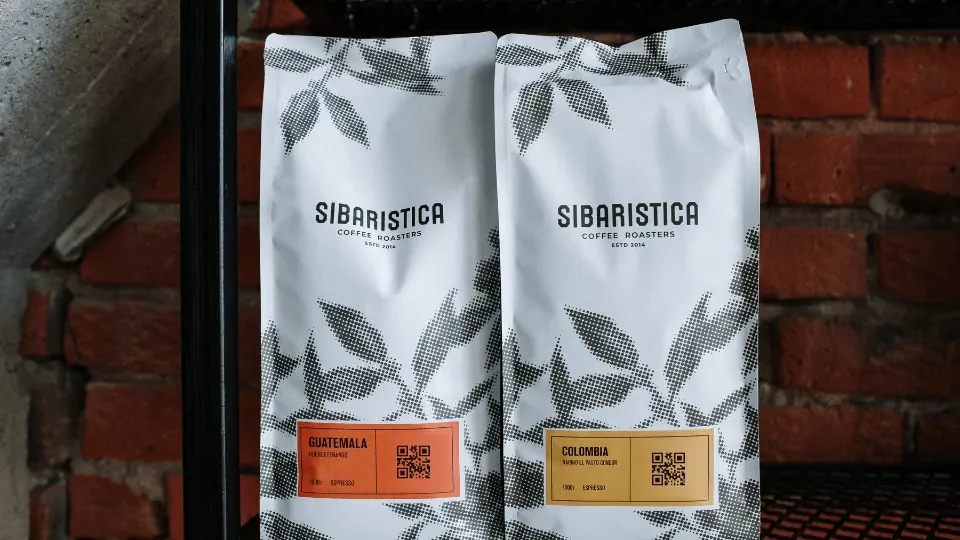
二次元コードは高い印刷忠実度を要求する。歪み、低コントラスト、表面の湾曲(袋、パウチ、シリンダー)はスキャナビリティを損なう。高光沢フィルム、メタライズ加工されたパネル、暗い背景などは、そのリスクを増大させる。
反応だ: 初期の材料適合性試験。コンバーターと協力して、基材、インク、印刷位置の適格性を確認する。インライン検証(カメラによる品質チェック)と標準化された印刷検証プロトコルを導入し、高速ラインでのファーストパス読み取り性を確保する。
2.データとシステムの統合
動的な生産データ(バッチ、タイムスタンプ、ラインID)を各コードにエンコードし、物理的なパックと企業データセット(ERP、MES、WMS)の間の信頼できるリンクを維持することは、パッケージングと同様にITプロジェクトである。
反応だ: 印刷前にエンドツーエンドのデータフローをマッピングする。堅牢なミドルウェアまたはAPIを実装し、各ユニークコードにプロダクションメタデータをバインドし、監査証跡を維持する。小規模な製品ラインを試験的に導入し、データパイプラインをストレステストし、小売パートナーの取り込み要件とフォーマットを整合させる。
3.デザイン統合
ブランド・チームは、コードがビジュアル・デザインを乱したり、棚のインパクトを弱めたりするのではないかと心配している。
反応だ: パッケージデザインに早くから関与する。独創的な配置、枠で囲まれたクリアゾーン、コードをスキャンしたときに表示されるブランドに関連したマイクロコンテンツなどを検討する。スキャナーの読み取りやすさとブランドの美的センスのバランスが取れたレイアウトテンプレートを標準化する。
Sunrise 2027はスマート包装への入り口
トレーサビリティとコンプライアンスにとどまらず、2Dコードはインテリジェントなパッケージングのユースケースへのアクセスポイントでもある:
- インタラクティブな消費者体験: 報酬プログラム、レシピの提案、出所のストーリーテリング、偽造防止チェック。
- データ主導のマーケティング 匿名化されたスキャン分析により、購入地域や消費パターンを明らかにし、より正確な需要計画を立てることができる。
- IoTとコールドチェーンの統合: コードは、輸送中に記録されたセンサーログ(温度、湿度)とリンクし、検証された品質履歴を提供することができる。
- 規制と持続可能性報告 パッケージ化されたデータは、規制当局や小売業者への自動報告を容易にする。
戦略的に見れば、2Dコードへの移行はコンプライアンス上の負担ではなく、デジタル製品ライフサイクルを可能にする技術である。

2027年の期限に備えるための実践的ステップ
時間が刻一刻と迫る中、パッケージング・サプライヤーとブランド・オーナーが今始めるべき具体的なアクションを紹介しよう:
- 診断と計画の開始 - 既存のSKUを監査し、どの製品に拡張されたデータ要素(ロット、ライン、有効期限)を載せなければならないかを決定し、現在のインラインコーディング機能をマッピングする。
- パイロット・プロジェクトの実施 - 代表的なSKUを1つまたは2つ選び、印刷テスト、スキャン検証、データハンドオフを含むエンドツーエンドのパイロットをコンバーターや小売パートナーと実施する。
- 小売業者との早期連携 - 各主要小売パートナーの技術要件とスケジュールを確認し、アップグレード計画が各パートナーのPOS準備状況と一致するようにします。
- コンプライアンスを差別化に変える - 2Dコードに付加価値のあるコンテンツ(ソーシングストーリー、認証、ロイヤリティ)をどのように組み込むかを検討し、パッケージデザインとマーケティングプランに統合する。
結論
サンライズ2027 は、パッケージ商品の新時代の幕開けを告げるものである。食品企業にとって、リニアバーコードからGS1準拠の2次元コードへの移行は、技術的なアップデート以上のものであり、食品の安全性、サプライチェーンの強靭性、消費者エンゲージメントを強化するためのプラットフォームである。材料のテスト、データフローのアップグレード、ユースケースの試験運用など、今日から計画を開始するブランドは、コンプライアンス期限に間に合わせるだけでなく、新たな商業的・業務的メリットを引き出すことができます。今この変化を受け入れることは、信頼性、透明性、そして未来に対応したパッケージングへの慎重な投資である。
GS1のプログラムと技術ガイドラインの詳細については、GS1のウェブサイトを参照: https://www.gs1.org/ およびGS1 Hong Kongのメンバーである: https://www.gs1hk.org/zh-cn.