JA
JA  EN
EN  DE
DE  FR
FR  RU
RU  AR
AR  ES
ES 
バッグの単価だけに注目するのは、よくある調達の罠である。その フレキシブル食品包装 それは、生産稼働時間、物流、貯蔵寿命、規制リスクに影響する。
B2Bバイヤー、特に海外のソーシングチームにとって、その目的は、総陸揚げコスト、つまり、1袋あたりの見積もりだけでなく、規格に適合し、販売可能な製品を市場に出荷可能なカートンに入れるための全費用を計算することである。
として カスタム・フレキシブル食品包装の大手メーカーGQ PACKは、バイヤーが包装袋サプライヤーを評価するための要因のいくつかを提供しています。
カスタム・フレキシブル食品包装の真のコストを形成する要因
素材とプリントの選択がベースラインを決める
よりバリア性の高いフィルム、メタライゼーションやEVOH層、多色グラビア、特殊ワニスなどは、見積もり単価を上げるが、保存期間やブランドのポジショニングにも大きく影響する。
現実的なバイヤーは、フレキシブル食品包装材料と印刷を投資として扱う。初期費用が高ければ、下流での腐敗やチャージバックを減らすことができ、アフターセールスの問題も少なくなるかもしれない。
製造の歩留まりと欠陥
海外のバイヤーが最も無視しやすい部分だ。
スクラップ、シールの欠陥、印刷の見当違いは、1パーセントでも単価に直結する。海外の調達チームは、たった一度の不良生産が、安い見積もりから節約を帳消しにしてしまうことを知っている。
サプライヤーに過去の不良率や根本原因のデータを求め、手直しやスクラップのコストをモデル化する。
MOQと在庫コスト
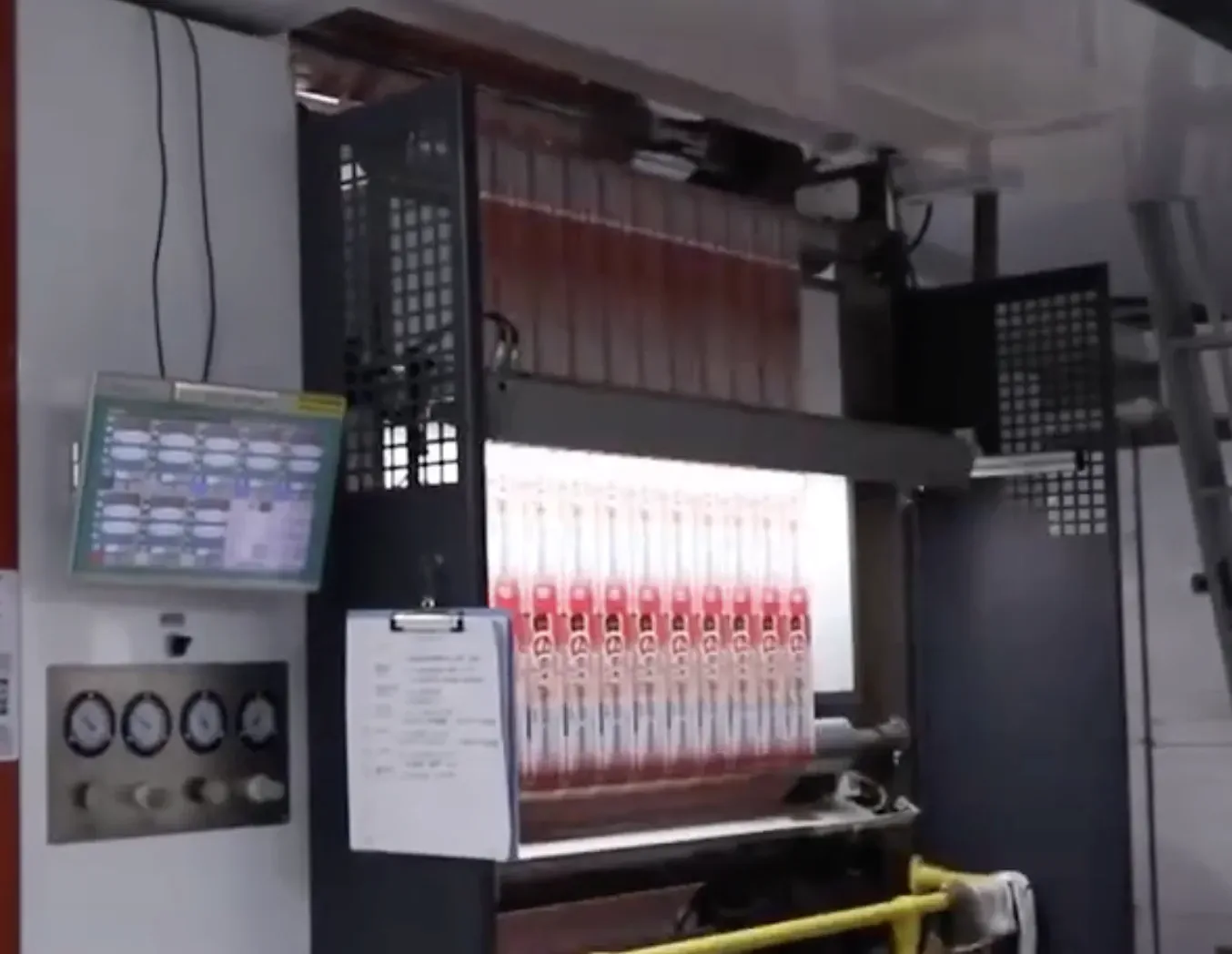
在庫圧力を計算するためには、これらをモデル化しなければならない。最低発注量が高ければ、在庫保有量も多くなり、運転資本も大きくなる。調達時 フレキシブル食品包装 中国やその他の低コストの地域から調達する場合、余分なパレットの運搬コスト、陳腐化したアートワークのリスク、長いリードタイムの間に保税倉庫に必要なスペースを計算する。
配送料
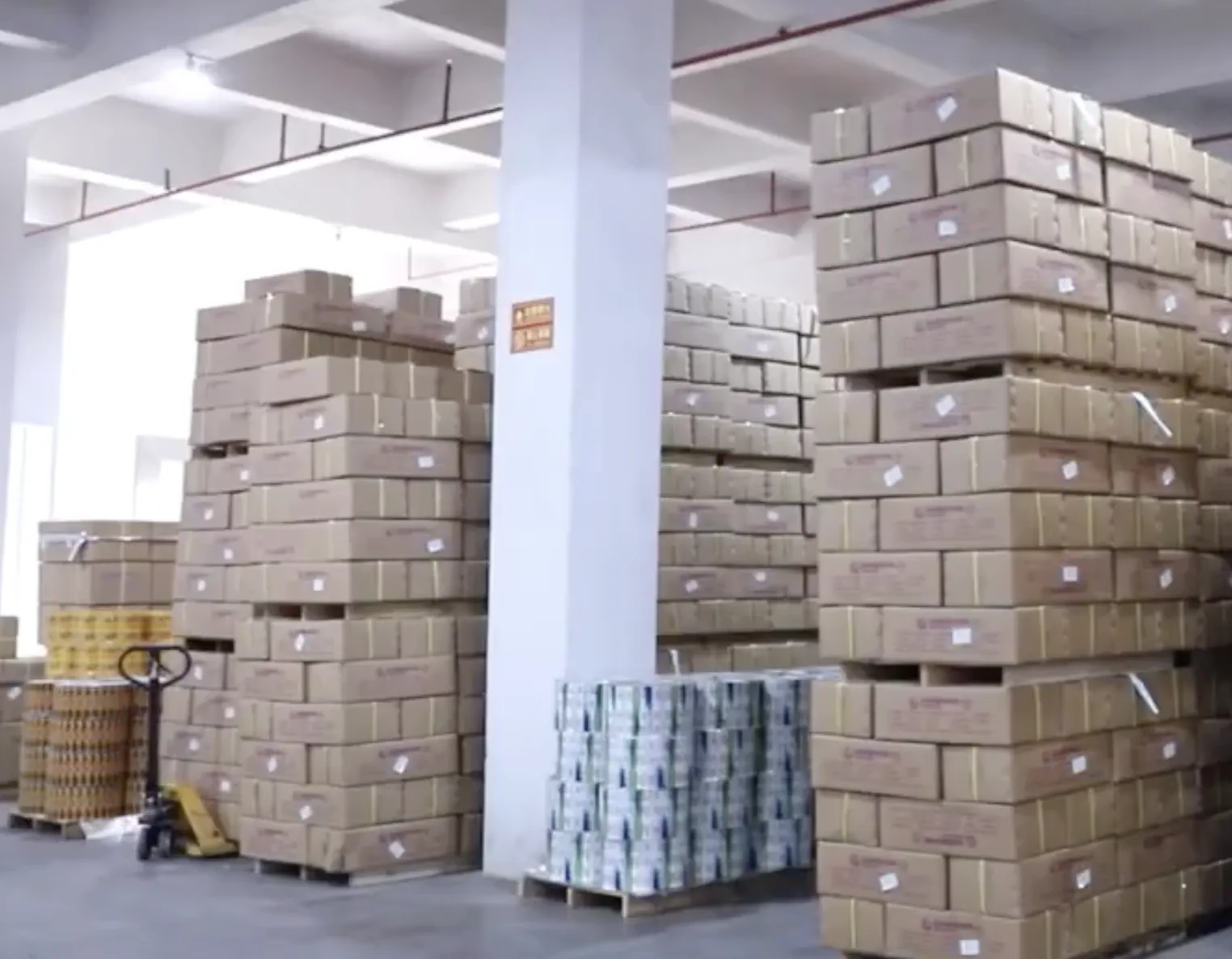
ロジスティクス、関税、コンテナ利用率は、最終的な陸揚げコストの大きな割合を占める。梱包が不十分なロールストックや非効率的なカートン詰めは、コンテナの充填率を下げ、1個当たりの運賃を上げる。調達チームは、サプライヤーのパレタイズ効率とFOB対DDPオプションを比較し、真のロジスティクス支出を予測すべきである。
保存と賞味期限
バリアはもう一つの主要なコストドライバーである。不十分なバリア性能や可変シーリングは、輸送、小売店での保管、消費者の使用にわたって、製品の劣化を加速させる可能性がある。有効なOTR/MVTR目標を指定することで、バリア性能の向上が期待できる。 フレキシブル食品包装 を構成し、サプライヤーから提供されるテストデータを要求することで、製品の返品や棚置きの時間のロスの可能性を減らすことができる。
製造とフルフィルメントへの業務上の影響
充填機の効率とスループット
包装の選択は充填機の稼働時間とスループットに影響します。剛性の低いフィルムや一貫性のないシールは、高速のフォームフィルシールラインにおいて、機械の停止やスクラップを増加させる可能性がある。プライベートブランドでは、以下の条件を満たすサプライヤーを選ぶ必要がある。 フレキシブル食品包装 実際のフィラーを使用することで、スタートアップのリスクやダウンタイムの隠れたコストを削減することができます。
ハンドリングの最適化
ハンドリング、パッキング、パレット構成は、オペレーショ ン・レバーである。ケース包装を簡素化し、手作業を減らすデザインは、労働力とシュリンクラップコストを削減する。逆に、陳列用カートンに手作業で挿入する必要のある視覚的に複雑なパウチは、RFPの比較にはほとんど出てこない労働時間を増やすことになる。
ユーザー・エクスペリエンスとリテンション
消費者の経験は返品や再購入率に影響する。密閉可能なジッパー、きれいに開く破れ止め、丈夫な窓は、苦情を減らす。ブランドは、これらの機能の限界コストを フレキシブル食品包装 販売速度の向上と顧客サービス・イベントの減少が期待される。
フレキシブル食品包装のカスタマイズがコストを押し上げるリスク要因
品質の一貫性
品質の不一致は隠れたコストのトップ。海外の調達チームは、生産時に崩れる「サンプルレベルの品質」を恐れている。その結果、高価な分割出荷、迅速な交換、緊張した 小売業者との関係が生まれる。サプライヤーに対し、バッチレベルのOTR/MVTRを文書化し、再現性を実証するための工程管理を提供するよう求める。
コンプライアンスと規制リスク
規制とコンプライアンスのギャップは直接的な罰則と間接的なコストをもたらす。不適合インキ、コンプライアンス宣言書の欠落、トレーサビリティの不備はリコールの引き金となりうる。サプリメント、乳幼児用食品、または輸出市場にとって、コンプライアンス上の負担は、リコールの引き金となる。 フレキシブル食品包装 価格交渉と同様に、リスク管理上の決断でもある。
コミュニケーション摩擦
文化やコミュニケーションの遅れは、是正措置を遅らせ、コストを増大させる。海外チームはしばしば、問題を認めるのが遅い、根本原因の説明があいまい、英語の技術報告書に一貫性がない、といった問題を挙げる。このような遅れは、小さな不具合を大きなロジスティクスと風評のコストに変えてしまう。
効果的な総コストの計算方法
定性的リスクを定量化可能な線項目に変える公式的アプローチを採用する:
1台あたりの総陸揚げコスト==。
単価
+スクラップ率×リワークコスト
+(コンテナ利用率減少に伴う追加運賃)
+(MOQの在庫管理コスト)
+(生産事故1件当たりのダウンタイムコスト÷生産台数)
+(期待される保証/返品コスト)
+コンプライアンス&テスト・オーバーヘッド/ユニット。
モデルシナリオ:保守的なシナリオ(高スクラップ、迅速輸送)、可能性の高いシナリオ(観察された過去の指標)、楽観的なシナリオ(ベストケースのサプライヤーのパフォーマンス)。サプライヤーが提供する欠陥データとテストデータを使用して、スクラップとリワークの変数を入力する。

海外バイヤーのためのベストプラクティス
QCシステムとトレーサビリティのための工場事前監査。
文書化された工程内管理、ロットレベルのCoA、OTR/MVTRやシール強度試験のためのアクセス可能な試験室を探す。透明性のある フレキシブル食品包装 サプライヤーは、典型的な歩留まりの数値を公表し、明確な是正処置手順を設ける。
目的とするフィラーでパイロット・トライアルを実施する。
実際のライン条件下でパウチを検証することで、大量注文の前にシール、投薬、ハンドリングの問題を発見する。受入基準(シール強度、ヘッドスペースO₂、印刷ΔE)を主張し、検証に成功したらサンプル料を返金する。
見積もりは分割して提出すること。
材料、印刷セットアップ、機械時間、QC、テスト、運賃を内訳化し、オプションを代用して実際のTCOインパクトを確認できるようにします。材料や工程の代替に事前の承認を必要とする変更管理条項を交渉する。
コミュニケーションとエスカレーションのプロトコルを考慮する。
不具合発生時の対応時間、不適合の文書化方法、迅速な交換のための資金提供者を明記する。海外の調達チームは、是正措置と結びついた明確なSLAを要求すべきである。

結論
評価 フレキシブル食品包装 純粋に単価だけを重視するのは誤った経済である。真のコストには、資材の性能、歩留まり、物流、在庫、コンプライアンスにかかる諸経費が含まれ、最悪の損失は予測できない品質や対応の遅れから生じる。賢いB2Bの購買担当者は、サプライヤーのデータをモデル化されたシナリオに変換し、オンラインパフォーマンスを検証し、リスクプレミアムを調達の意思決定に組み込む。この規律あるアプローチにより、パッケージ調達はコストセンターから、製品の成功への予測可能な貢献者に変わります。
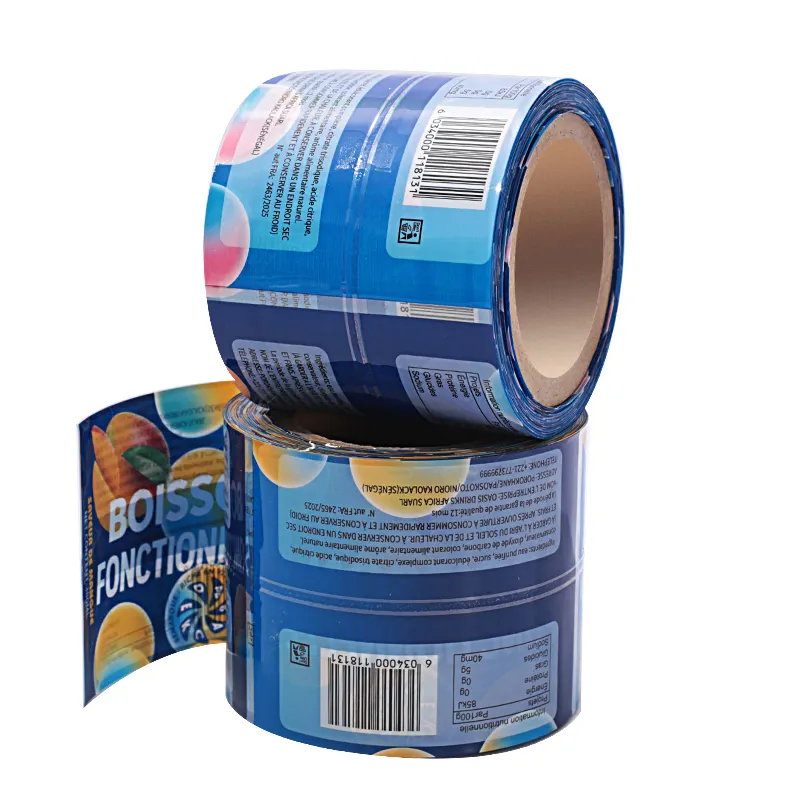
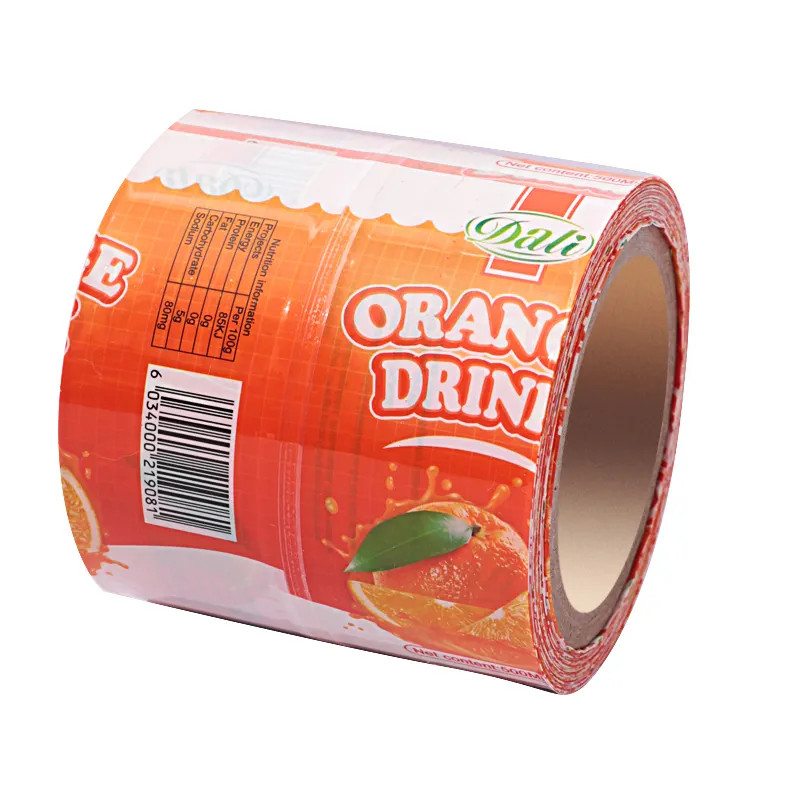
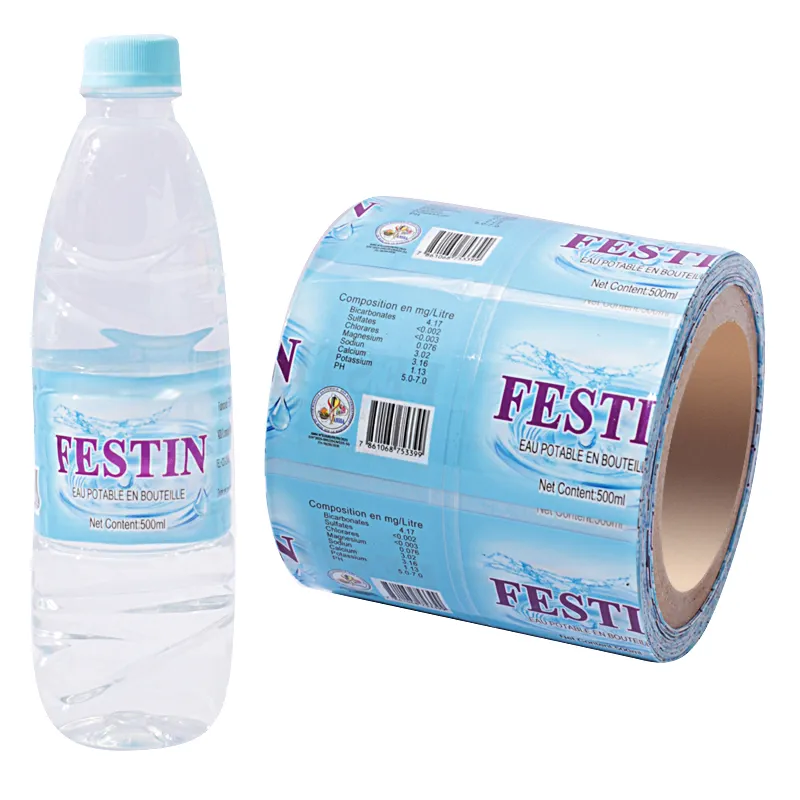
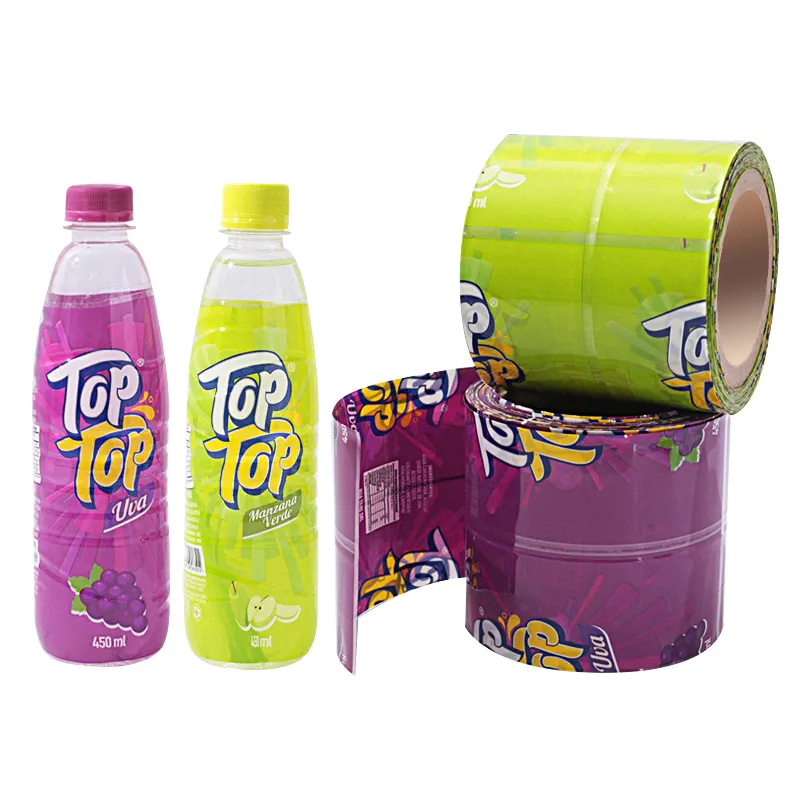
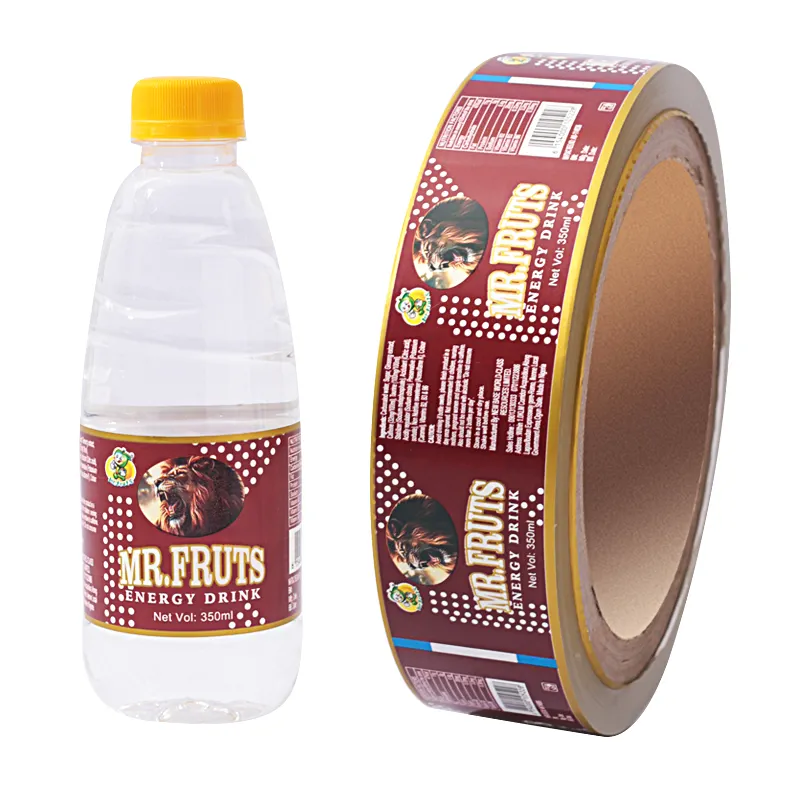
GQ PACKについて,GQ PACKはプロの軟包装メーカーとして、独立した設計チームと自動化された生産ラインを持っており、水ボトルラベル、シュリンクスリーブラベル、軟包装袋などの種類をカバーし、高性能のカスタマイズされた軟包装製品を提供し続けています,GQ PACK軟包装メーカーについて,GQ PACKは2008年に中国広東省で設立されました。我々は豊富な経験と特許技術を持つ軟包装メーカーです。製品は、カスタム水ボトルラベル、シュリンクスリーブラベル、スパウトポーチ、スタンドアップポーチなどが含まれ、飲料、食品、日用品、ペット用品業界で広く使用されています。先進的な高速印刷機とラミネート機を装備した16の生産ラインを持ち、経験豊富な技術チームにサポートされており、高品質でカスタマイズされたパッケージングソリューションを提供しています。,コアバリュー,品質,革新,持続可能性,効率性,企業ビジョン,グローバルな顧客のための信頼されるフレキシブルなパッケージングパートナーになる,顧客コミットメント,効率的な、専門的かつ高性能なパッケージングソリューションを提供する,高速10色グラビア印刷ワークショップ,私たちの高速10色グラビア印刷ワークショップは、高度な印刷設備を装備し、高精度自動印刷システムを採用し、極端な細部と豊かな色の完璧なプレゼンテーションを達成することができます。GQ-PACKの無溶剤ラミネーション工場では、有害な溶剤を使用しない無溶剤ラミネーションプロセスを採用しています、PACKの無溶剤ラミネートワークショップは、熱と圧力を利用して複数のフィルム層を接着する高度なラミネート技術を備えており、耐久性、強度、柔軟性に優れたパッケージを作成することができます。PACKはプロフェッショナルなUV硬化システムと熱硬化システムを備えており、硬化したフレキシブルパッケージングが優れた耐摩耗性と防水性を持つことを保証します。検査ワークショップ,私たちは最新の自動検査システムを使用し、包装されたすべての製品がお客様に届く前に最高の品質基準を満たしていることを確認しています。さらに、包装の耐久性、シールの完全性、バリア性を確認するために、包装のすべてのバッチで極端なテストを実行します。 高速スリッター工場,私たちの高速スリッター工場は、迅速かつきれいにフレキシブルフィルム、ラミネート、特殊フィルムを含むさまざまな材料を処理し、均一なロールサイズを提供し、卓越した速度と精度で大量生産の需要を満たす、軟包装製袋工場,当社の軟包装製袋工場は、品質、スピード、精度を重視し、専門的な裁断、製袋、シール設備を備えており、各バッチの製品が正確な寸法、確実なシール、きちんとした外観を持つことを保証します、+ M²,工場面積,生産ライン,技術スタッフ,百万人,年間生産量,GQ Packはフレキシブル包装ソリューションを提供します:,飲料,食品,日用品,パーソナルケア,ペット用品,特殊カートン,農業,技術的なアプリケーション,なぜ私たちを選ぶ,私たちの工場の表示,国際認証,GQ Packは、ISO 9001、FDA、LFGB、CE、RoHS認証などを含むフレキシブル包装の分野で多くの認証を得ています。私たちは、製品の品質とユーザーエクスペリエンスを重視し、常に生産プロセスにおける持続可能な開発を堅持しています。,私たちのビジョン,包装はカラフルで、創造的で、強力です。,私たちは、各フレキシブルパッケージを作るとき、我々は製品だけでなく、無限の可能性を見ています。,私たちは能力を持っており、我々は常にこのようなものです。,私たちが作成するフレキシブルパッケージは単なる容器ではありません、それはブランドの物語のキャリアであり、製品の品質の送信機です。,どのような産業であっても、私たちのパッケージは、製品が市場とシームレスに接続し、信頼と価値を伝えることができます。
GQ PACK はカスタム食品包装メーカー は世界中のB2Bクライアントにサービスを提供しています。私たちの工場は、ハイバリアフィルム、多色グラビア印刷、リシーラブルパウチ、完全包装フィルムに特化しています。 カスタマイズされたフレキシブル食品包装ソリューション.
規制に準拠した設計、OTR/MVTR性能の検証、お客様の充填剤でのパイロット試験、バッチレベルの品質文書化をサポートします。生産に関する専門知識、トレーサブルな工程管理、お客様のご要望に応じた材料および構造オプションを組み合わせることで、お客様のご要望にお応えします、 GQ PACK ブランドは賞味期限を最適化し、パッケージを調達品目から戦略的なビジネス資産に変えることができる。