JA
JA  EN
EN  DE
DE  FR
FR  RU
RU  AR
AR  ES
ES 
注ぎ口のタイプによって消費者の不満が生じるのではないかと考えたことはないだろうか。ネット上では、ある製品の注ぎ口の問題について多くの人が不満を漏らしている。したがって、正しい注ぎ口のタイプを選択することは、大きな結果を伴う小さな決断である。間違った注ぎ口は、水漏れ、詰まり、生産の遅れ、消費者体験の低下、あるいは規制上の頭痛の種を引き起こす可能性がある。
このガイドでは、パッケージング・マネージャー、製品開発者、調達チームが、位置(側面か上面か)、直径、材質、充填適合性、よくある落とし穴など、重要な要素について説明します。 スパウトパウチ 商品とラインの構造
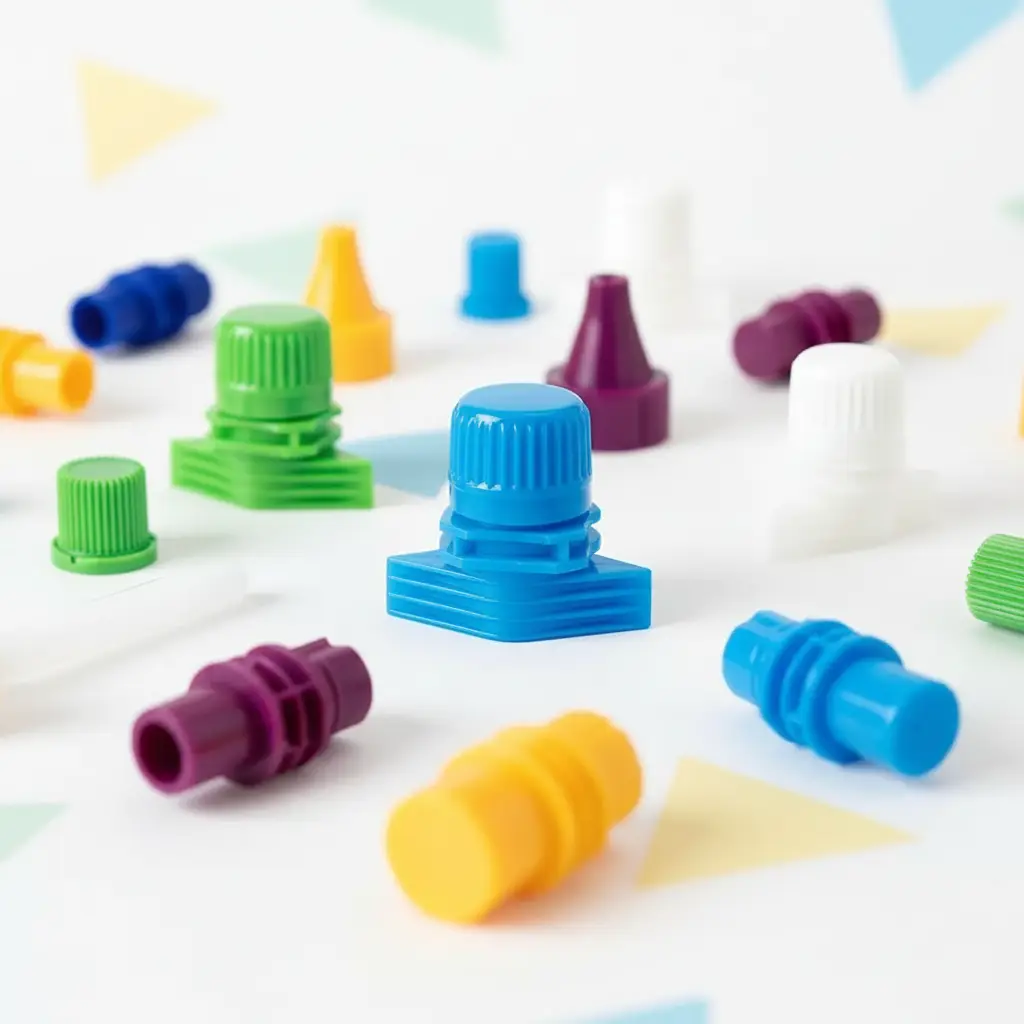
注ぎ口のタイプが重要な理由
A スパウトパウチ はポーチ+キャップ以上のものだ。その スパウトタイプ を決定する:
- 製品の吐出方法(流量制御、飛散、吐出量)
- 自動充填・シーリングのスピードと信頼性
- 消費者の人間工学(片手で絞る、注ぐ、すする)
- 輸送中および保存期間中の漏洩リスク
- 粘性または粒子状製品の洗浄性と目詰まり挙動
取得する スパウトタイプ そうすれば、苦情を最小限に抑え、ダウンタイムを減らし、ブランドの評判を守ることができる。
注ぎ口の位置サイド・スパウトとトップ・スパウト
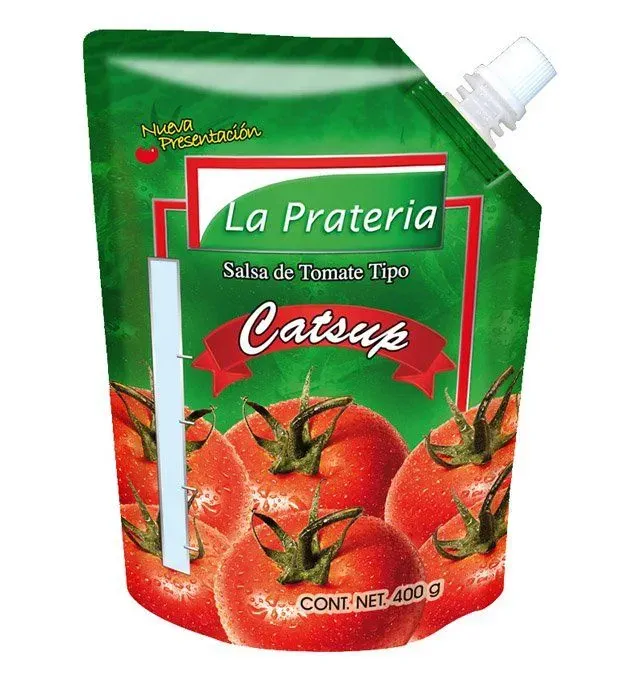
サイド・スパウト(コーナー/サイド・フォールド)
- デザイン:コーナー補強材とともに使用されることが多い。
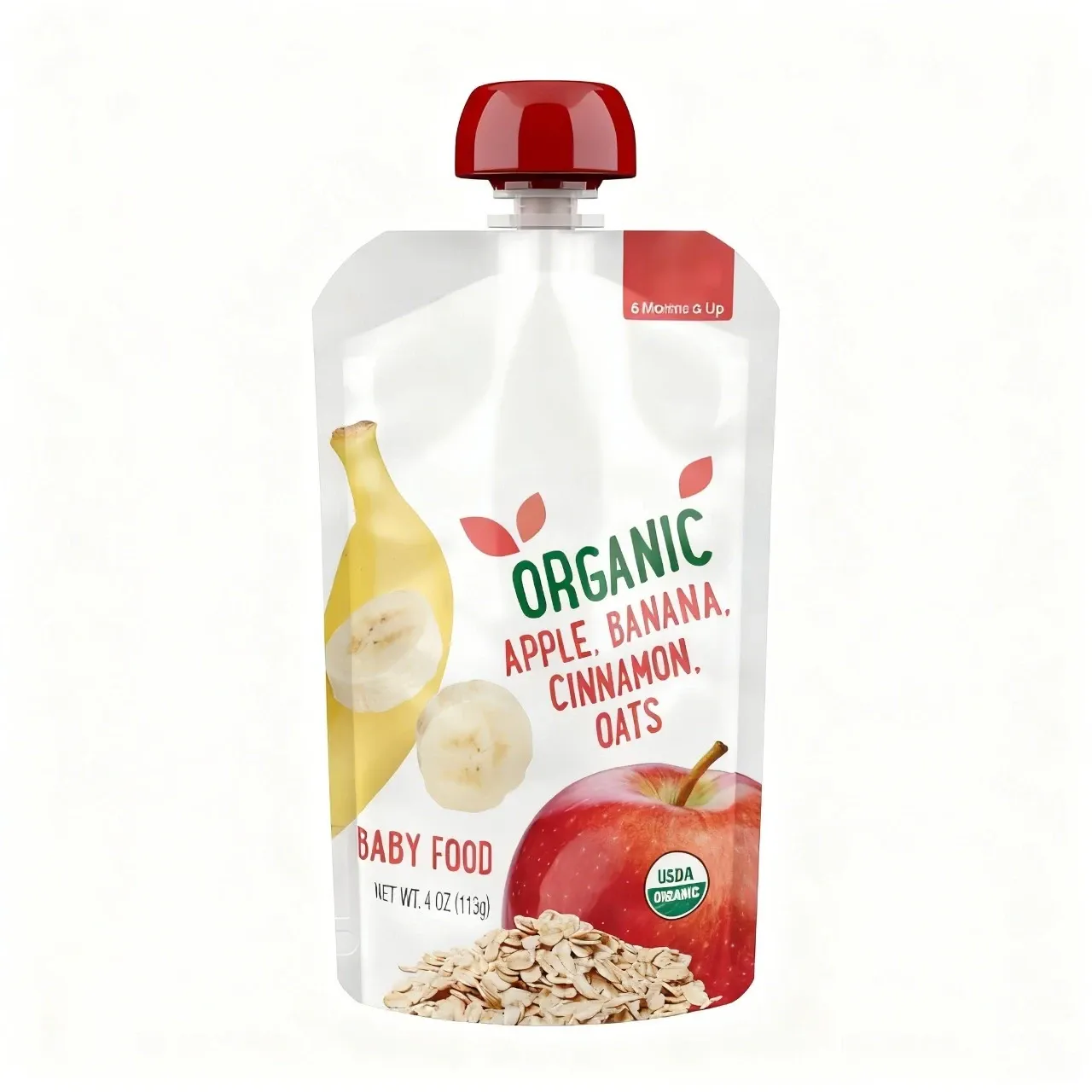
- 最適:ピューレ、ベビーフード、ペースト、蜂蜜、濃厚ソース、栄養ジェル。
- メリット:少量の調乳でも液ダレを抑えます。お子様にも使いやすいエルゴノミクス構造で、外出先や離乳食にも最適です。
- トレードオフ:より精密な袋の成形と注ぎ口の溶接が必要で、角の応力を避けるために補強パネルが必要な場合もある。
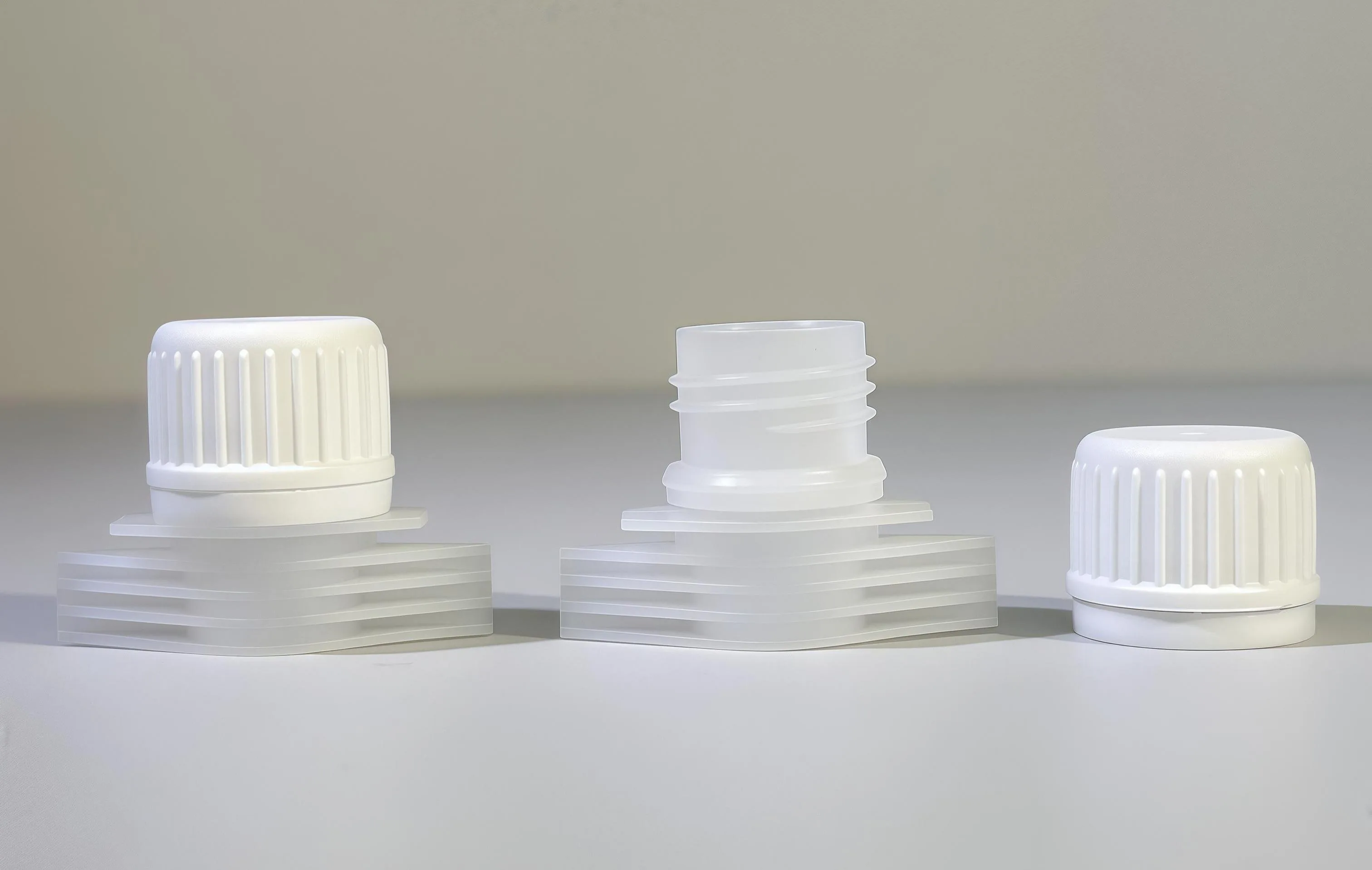
トップ・スパウト(センター/トップ・キャップ)
- デザイン:ポーチの上部中央または上部縫い目付近に配置。
- 最適:ジュース、RTD飲料、プロテイン飲料、薄いソース、液体調味料。
- メリット:高速充填が容易。一般的に標準的なスパウト充填ラインでの自動化が容易。
- トレードオフ:正確で少量のディスペンスにはコントロールが難しい。厚みのある製品を片手で絞るには、人間工学的に不利かもしれない。
流量制御のための適切な直径の選択
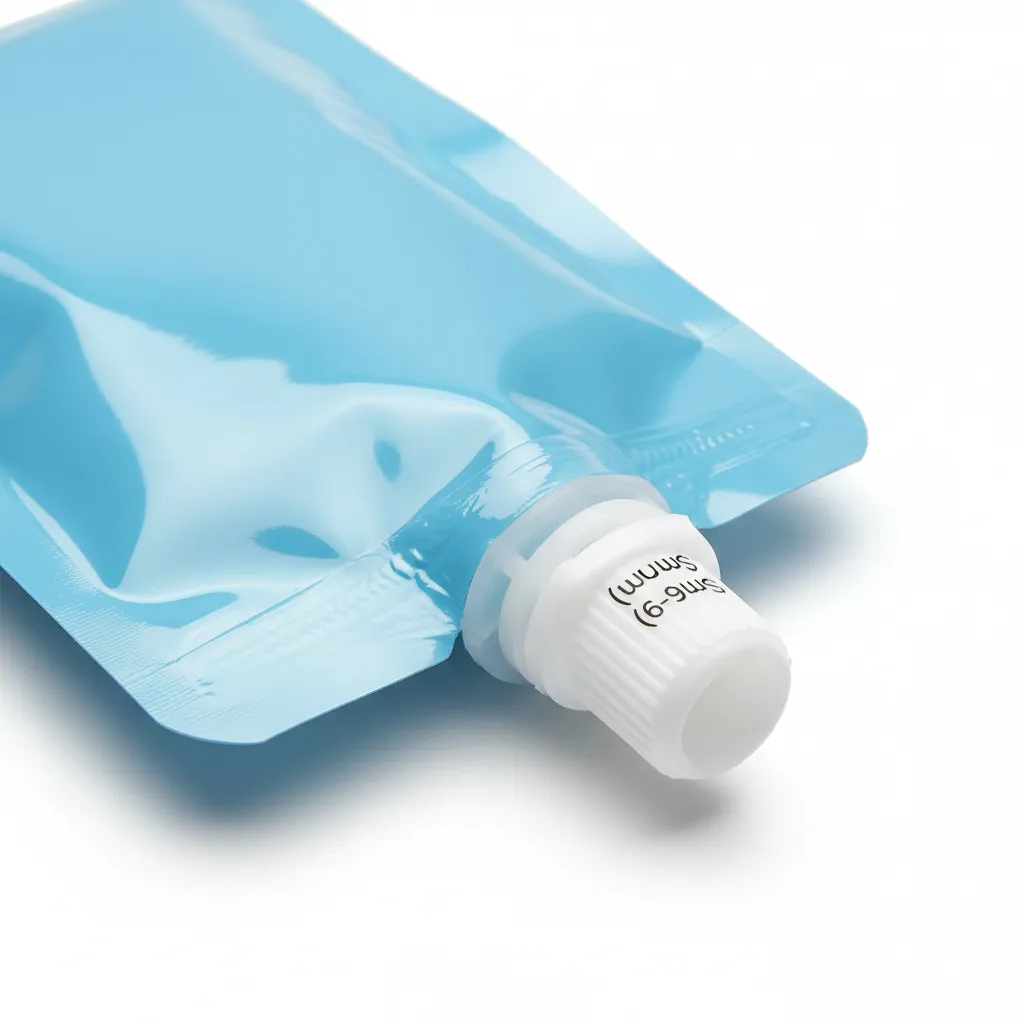
注ぎ口の直径は、使いやすさと詰まりのリスクに大きく影響します。代表的な範囲と使用例
- 小 (6-9 mm) - 薄い液体(水、スポーツドリンク、透明なジュース)。
- ミディアム(10~16mm) - ほとんどの濃縮飲料、ヨーグルト飲料、多くのピューレ、中粘度ソース。バランスの取れたフロー対コントロール。
- ラージ(18mm以上) - 微粒子を含む高粘度製品(かためのソース、果肉入りスムージー、小片入り離乳食)。大口径のため、目詰まりが少なく、使用者の不満を軽減します。
経験則最大粒子径を少なくとも1.5倍の注ぎ口開度に合わせ、最悪の温度/経時変化による粘度をテストする。
スパウト素材とキャップの選択
素材の選択は、耐熱性、密封性、食品の安全性に影響する:
- PE(ポリエチレン)
- 柔軟性があり、シール性に優れ、コストパフォーマンスが高い。
- ほとんどの常温・冷蔵食品に適している。
- PP(ポリプロピレン)
- より高い耐熱性-ホットフィル、レトルト、滅菌が必要な用途に選択。
- やや硬めで、キャップのトルク保持が良い。
- 特殊素材/特徴
- 小児用耐性設計、不正開封防止キャップ、用量測定インサート、または滴下防止バルブ。
- エキゾチックラミネートに接着する場合は、コーティングまたは相溶化されたスパウト本体を考慮してください。
常に食品接触グレードの樹脂とサプライヤーの適合宣言書(DoC)を要求する。
アプリケーション・マトリクス(クイック・リファレンス)
| 製品タイプ | おすすめ スパウトタイプ | 直径 | 素材 |
|---|---|---|---|
| フルーツジュース/RTD飲料 | 上部注ぎ口(中央) | 6-10 mm | PE |
| プロテインシェイク/スムージー | トップ・スパウトまたはワイド・トップ | 10-16 mm | PPまたはPE |
| ベビー用ピューレ/栄養ジェル | サイド・スパウト(コーナー) | 12-16 mm | PP(熱処理用) |
| 蜂蜜/シロップ | サイド・スパウト(補強コーナー) | 10-18 mm | PE |
| ケチャップ/濃厚ソース | サイド・スパウト(ワイド) | 16-22 mm | PP |
このマトリックスを出発点として使用し、常にパイロットフィルで検証する。
充填ラインと生産の互換性
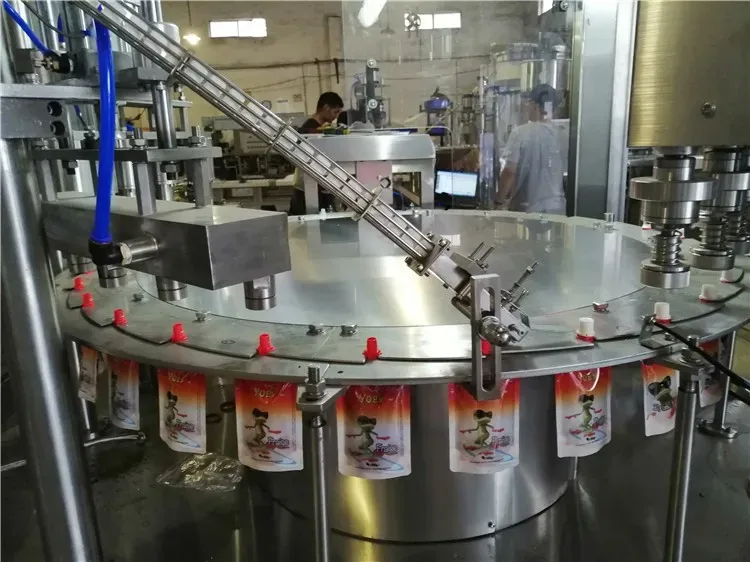
スパウトの選択は、充填およびキャッピング機器に合わせる必要があります:
- 充填速度と注ぎ口の形状:細い注ぎ口は、粘性のある液体の充填に時間がかかる。
- キャッピングトルクと保持力:これにより、スパウトとキャップの界面公差がお客様のキャッピングヘッドに適合し、漏れやキャップの不具合を防ぎます。
- スパウト溶接:スパウトによっては、特殊な成形カラーやスパウト・アプリケーター・ステーションが必要なものもあり、工具のリードタイムや交換の複雑さを考慮する必要があります。
- 圧力/リークテスト:各生産工程において、定期的な破裂/圧力チェックと真空/リークテストを実施する。
プロジェクト途中でスパウトアプリケーターを改造するのはコストがかかる。
食品安全、認証、移住の懸念
- FDA/EU準拠の材料を使用し、スパウト供給業者にCoC/CoAを要求する。
- ホットフィルまたはレトルト品については、熱サイクルに耐える注ぎ口の材質の適合性を確認する。高温処理には通常PPが好ましい。
- PCR含有物を使用する場合は、食品への適合性を確認し、対象市場における規制上の受容性を確認する。
- 長期保管のため、スパウト材料が製品に直接接触する場合には、移行試験と有機物試験を計画する。
よくある間違いとそれを避ける方法
- コストだけで注ぎ口を選ぶ 安物の注ぎ口は、水漏れやリコール、手直しの原因になる。
修正:総所有コスト(漏出率、ダウンタイム、保証コスト)を評価する。 - 粘度と粒子径は無視する。 目詰まりや返品の原因となる。
修正:最悪の温度と年数でのラボテスト。 - フィラーで検証していない。 生産の遅れにつながる。
修正:実際のラインまたは検証済みの同等のラインでパイロット試験を実施する。 - ユーザーの人間工学を見過ごす。 調剤不良は消費者をイライラさせる。
修正:代表的なユーザー(アスリート、両親、高齢者)にプロトタイプをフィールドテストする。
決定フロー:スペックシート用のコンパクトなチェックリスト
- 製品の粘度範囲と粒子径を定義する。
- 好みのユーザーエクスペリエンスを選択する(スクイーズと注ぎ分け)。
- 候補者を選ぶ スパウトタイプ (サイド対トップ)と直径。
- 材質(PE/PP)とキャップの特徴(タンパー/タンパーエビデンス)を指定する。
- 充填/キャッピング装置との適合性を確認する。
- 実験室と生産パイロットで、リークテストとトルクテストを実施する。
- 食品安全性(CoA/DoC)、移行性、保存性を検証する。
結論
最適なスパウトのタイプは、製品のレオロジー、ユーザーのニーズ、充填ラインの能力、規制上の制約の交差点です。B2Bバイヤーの場合、最も賢いアプローチは共同作業です:パッケージングエンジニア、充填機OEM、スパウトサプライヤーを、スパウト開発の初期段階から関与させることです。 スパウトパウチ をデザインした。
GQ PACKについて,GQ PACKはプロの軟包装メーカーとして、独立した設計チームと自動化された生産ラインを持っており、水ボトルラベル、シュリンクスリーブラベル、軟包装袋などの種類をカバーし、高性能のカスタマイズされた軟包装製品を提供し続けています,GQ PACK軟包装メーカーについて,GQ PACKは2008年に中国広東省で設立されました。我々は豊富な経験と特許技術を持つ軟包装メーカーです。製品は、カスタム水ボトルラベル、シュリンクスリーブラベル、スパウトポーチ、スタンドアップポーチなどが含まれ、飲料、食品、日用品、ペット用品業界で広く使用されています。先進的な高速印刷機とラミネート機を装備した16の生産ラインを持ち、経験豊富な技術チームにサポートされており、高品質でカスタマイズされたパッケージングソリューションを提供しています。,コアバリュー,品質,革新,持続可能性,効率性,企業ビジョン,グローバルな顧客のための信頼されるフレキシブルなパッケージングパートナーになる,顧客コミットメント,効率的な、専門的かつ高性能なパッケージングソリューションを提供する,高速10色グラビア印刷ワークショップ,私たちの高速10色グラビア印刷ワークショップは、高度な印刷設備を装備し、高精度自動印刷システムを採用し、極端な細部と豊かな色の完璧なプレゼンテーションを達成することができます。GQ-PACKの無溶剤ラミネーション工場では、有害な溶剤を使用しない無溶剤ラミネーションプロセスを採用しています、PACKの無溶剤ラミネートワークショップは、熱と圧力を利用して複数のフィルム層を接着する高度なラミネート技術を備えており、耐久性、強度、柔軟性に優れたパッケージを作成することができます。PACKはプロフェッショナルなUV硬化システムと熱硬化システムを備えており、硬化したフレキシブルパッケージングが優れた耐摩耗性と防水性を持つことを保証します。検査ワークショップ,私たちは最新の自動検査システムを使用し、包装されたすべての製品がお客様に届く前に最高の品質基準を満たしていることを確認しています。さらに、包装の耐久性、シールの完全性、バリア性を確認するために、包装のすべてのバッチで極端なテストを実行します。 高速スリッター工場,私たちの高速スリッター工場は、迅速かつきれいにフレキシブルフィルム、ラミネート、特殊フィルムを含むさまざまな材料を処理し、均一なロールサイズを提供し、卓越した速度と精度で大量生産の需要を満たす、軟包装製袋工場,当社の軟包装製袋工場は、品質、スピード、精度を重視し、専門的な裁断、製袋、シール設備を備えており、各バッチの製品が正確な寸法、確実なシール、きちんとした外観を持つことを保証します、+ M²,工場面積,生産ライン,技術スタッフ,百万人,年間生産量,GQ Packはフレキシブル包装ソリューションを提供します:,飲料,食品,日用品,パーソナルケア,ペット用品,特殊カートン,農業,技術的なアプリケーション,なぜ私たちを選ぶ,私たちの工場の表示,国際認証,GQ Packは、ISO 9001、FDA、LFGB、CE、RoHS認証などを含むフレキシブル包装の分野で多くの認証を得ています。私たちは、製品の品質とユーザーエクスペリエンスを重視し、常に生産プロセスにおける持続可能な開発を堅持しています。,私たちのビジョン,包装はカラフルで、創造的で、強力です。,私たちは、各フレキシブルパッケージを作るとき、我々は製品だけでなく、無限の可能性を見ています。,私たちは能力を持っており、我々は常にこのようなものです。,私たちが作成するフレキシブルパッケージは単なる容器ではありません、それはブランドの物語のキャリアであり、製品の品質の送信機です。,どのような産業であっても、私たちのパッケージは、製品が市場とシームレスに接続し、信頼と価値を伝えることができます。
GQ PACKは2008年に設立されて以来、フレキシブル食品包装に専念してきました。現在、GQ PACKは、業界やグローバルクライアントから、カスタム食品包装のリーディングカンパニーとして評価されています。
当社は現在、主力製品の一つであるスパウトパウチを卸売しており、お客様の製品要件に合わせたカスタムスパウトパウチソリューションを提供しています。GQ PACKのカスタムフレキシブルフードパッケージングソリューションでは、次のようなサービスを提供しています:
✅ 専門家チームからの実践的なヒント
✅ 16の生産ラインによる高速生産
ISO9001 ✅厳格な品質管理
国際認証製品、SGS、FDA、TUVなど。