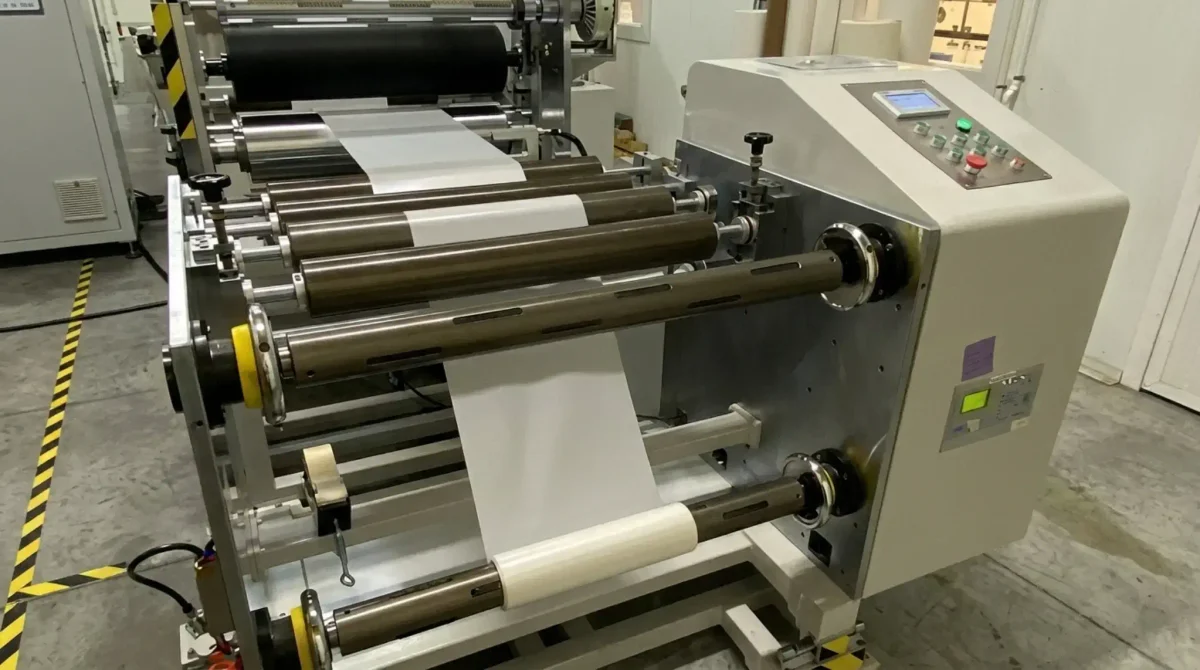
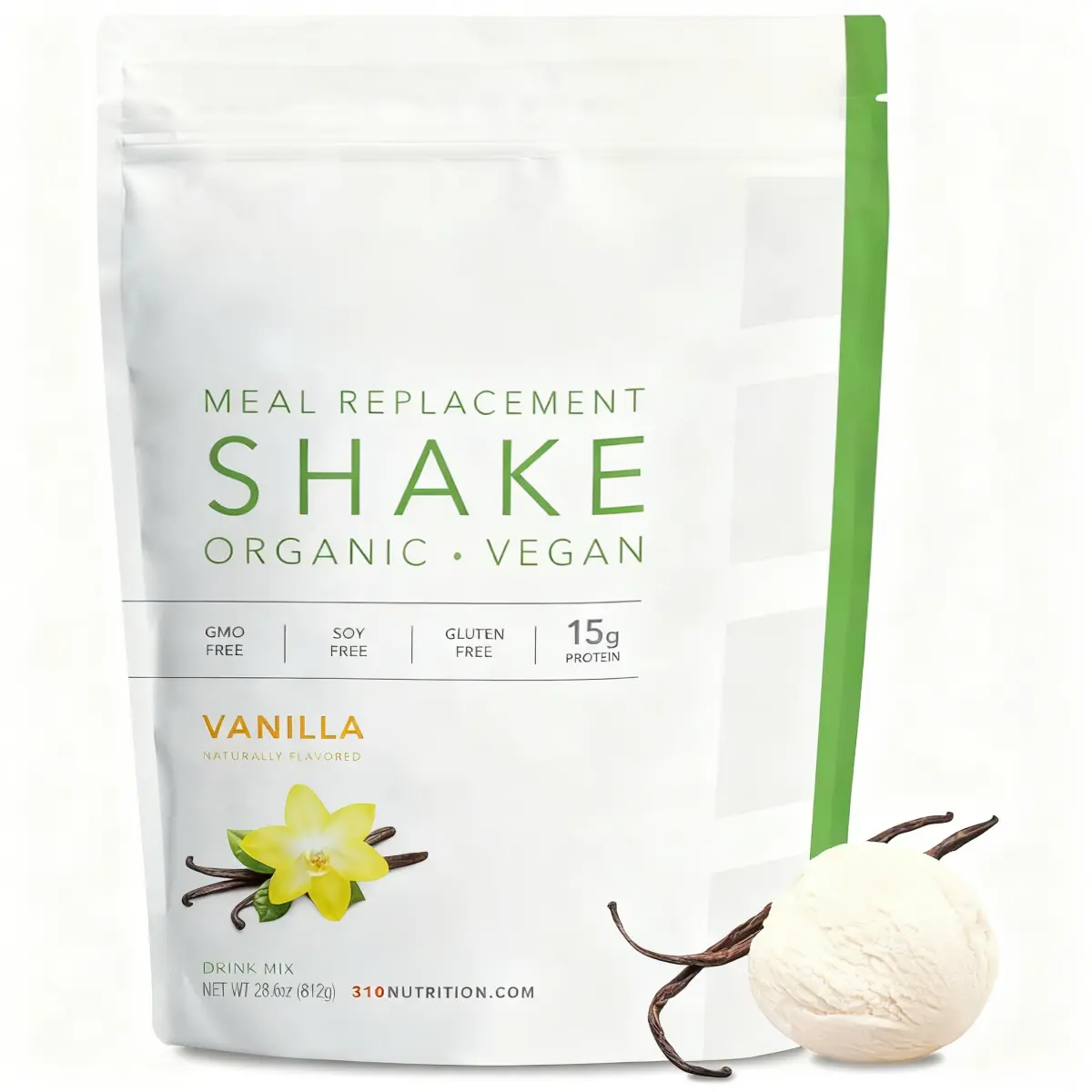
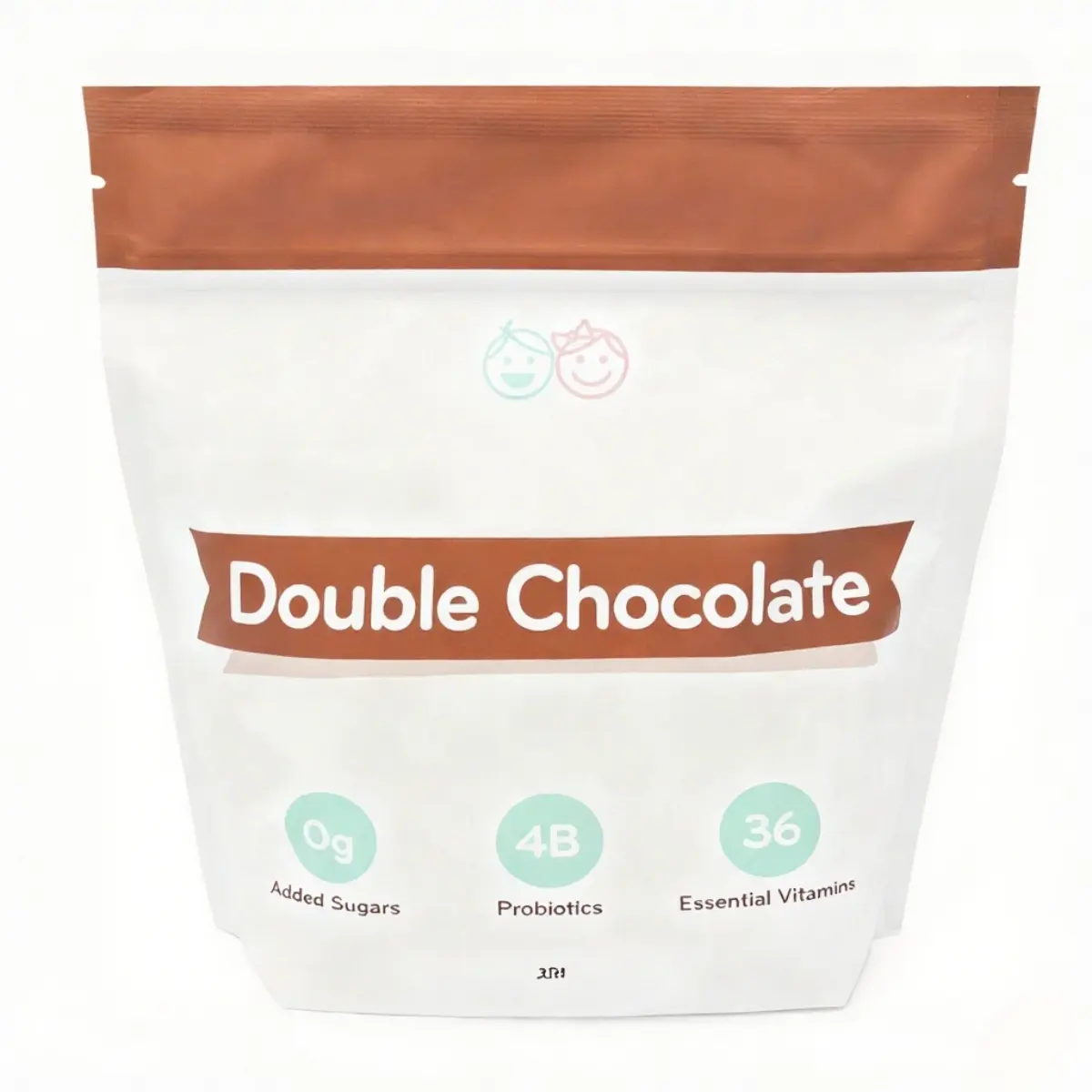
In serving food and daily chemical customers, we have identified a recurring pain point: for many powder products, such as milk powder, protein powder, seasoning powders, and functional food powders, insufficient anti-static performance of the roll film can directly lead to powder adhesion, film sticking, poor sealing, and other problems on high-speed automatic packaging lines.

The issue of poor roll film anti-static coating can increase reject rates, cause more frequent stoppages, and reduce overall line efficiency. Below is a real case where GQ PACK solved an electrostatic loss problem for a powdered food brand, providing a practical reference for customers selecting roll film packaging and functional flexible food packaging.

The Customer’s Challenge

A powdered food brand had been using standard composite roll film supplied by another vendor. During actual production on its high-speed automatic packaging line, the customer observed obvious electrostatic accumulation on the film surface, which caused several problems:

  • Powder particles adhered to the film surface and sealing areas, affecting appearance and seal quality.
  • Film sticking and web misalignment occurred during unwinding, triggering frequent machine alarms.
  • Seal strength fluctuated after heat sealing because of powder residue, with occasional air leakage.

The customer tried temporary measures such as adjusting workshop humidity and reducing line speed, but with limited success.

The root cause remained untouched: the roll film itself lacked sufficient electrostatic protection, creating a hidden bottleneck for packaging line efficiency.

Our Diagnosis and Customized Solution

Upon receiving the request, we did not rush to recommend a product. Instead, we first tested the surface resistivity of the original film samples and observed the line operation on-site.

The conclusion was clear: the original film contained no anti-static coating or additives, resulting in high surface resistivity. Under dry conditions and high-speed friction, static built up rapidly and compounded with the characteristics of the powder.

Based on this diagnosis, we custom-developed a composite roll film with a professional anti-static coating.

Applying an Anti-Static Coating

We applied a high-performance anti-static coating to the functional surface layer to effectively reduce surface resistivity. This allowed static charges to dissipate more promptly and helped minimize powder attraction at the source.

Optimizing Coating Performance

We optimized the coating weight according to powder particle size and filling speed, aiming to provide durable anti-static performance without compromising heat-seal strength or print adhesion.

Improving Web Stability

We simultaneously adjusted the film’s coefficient of friction and stiffness to reduce sticking and wandering during high-speed unwinding, improving web stability on the packaging line.

Validating the Film on the Production Line

We provided small-batch trial samples for validation on the customer’s actual production line. Before full-scale switchover, the customer compared reject rates, stoppage frequency, and seal strength data.

This trial-based approach allows a flexible food packaging manufacturer to evaluate whether a functional film solution is compatible with the customer’s actual packaging process rather than relying only on laboratory performance.

Results: Customer-Verified Improvements

After switching to the anti-static coated roll film, the customer reported notable improvements:

  • Powder adhesion was significantly reduced, and sealing area cleanliness improved markedly, leading to better appearance yield.
  • Unwinding became smooth, with sticking and misalignment virtually eliminated.
  • Equipment cleaning stops were reduced by approximately 60%, according to the customer’s estimate.
  • Overall packaging waste dropped noticeably, and reject rates returned to normal levels, improving overall line efficiency.
  • Heat-seal strength remained stable, with no side effects from the coating, ensuring consistent finished-product quality.

The customer highly appreciated the results and has since extended this solution to other similar product lines, establishing a long-term partnership with us.

Lessons Learned for Powder Packaging

This case reinforces an important point for powder packaging: anti-static performance of roll film packaging should not be treated as a nice-to-have feature. It can directly affect packaging line stability, sealing quality, waste rate, and production efficiency.

Ordinary roll films are prone to static generation in dry or high-speed environments. Professional anti-static packaging film addresses the problem at the material level and can be more effective than relying only on adjustments to equipment or workshop conditions.

When selecting roll film, we recommend customers validate anti-static performance at an early stage based on:

  • 製品特性
  • Packaging line speed
  • Powder particle size
  • Workshop conditions
  • Heat-sealing requirements

For brands and manufacturers using high-speed automatic packaging, evaluating the film together with the actual filling and sealing process can help identify potential production risks before mass production.

Our Flexible Food Packaging Manufacturing Capabilities

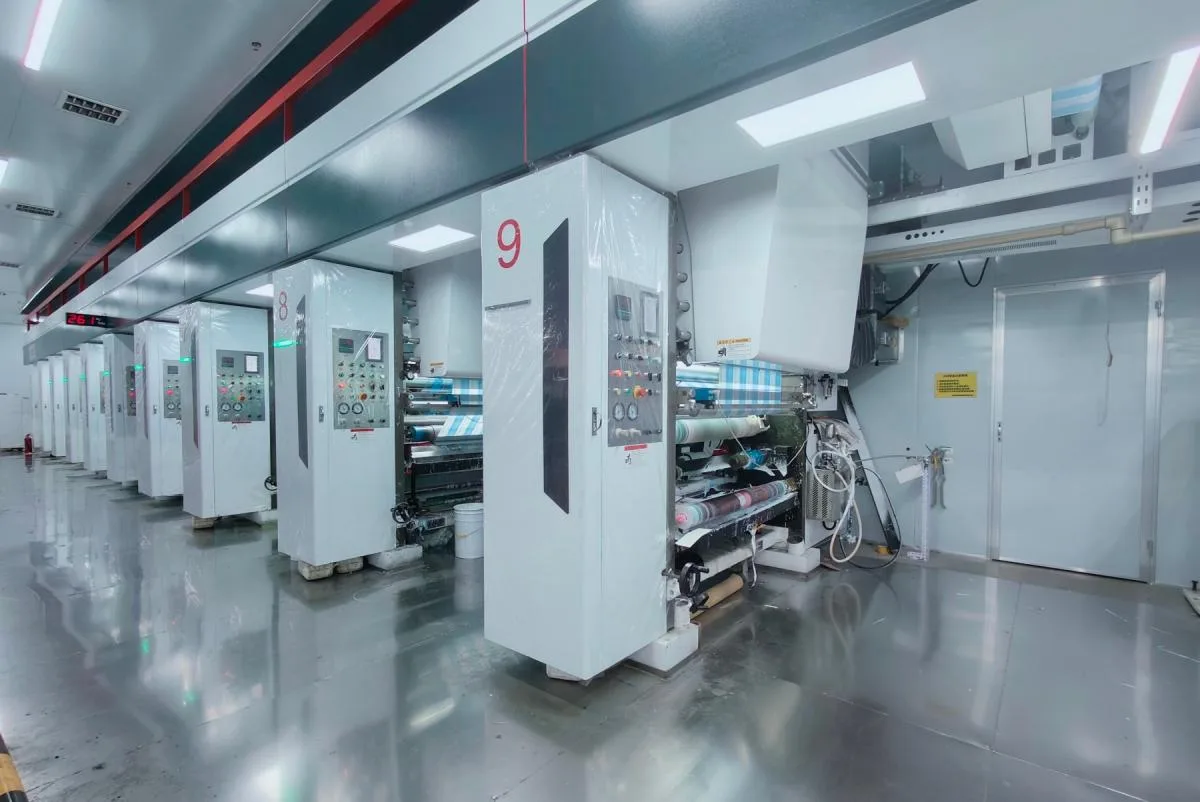
As a manufacturer deeply rooted in flexible packaging, GQ PACK has extensive practical experience in functional coatings for roll film.

Beyond standard composite roll film, we offer customized solutions for powders, granules, fragile items, and other specialty products, including:

  • Anti-static film
  • Moisture-barrier film
  • High-barrier film
  • Easy-tear film

From material structure design and coating formulation optimization to on-machine testing and volume supply, we provide full-process technical support.

として フレキシブル食品包装メーカー, we can also work with customers to match film performance with their specific packaging equipment, product characteristics, and production requirements.

オーダーメイド印刷のフレキシブル包装工場 (5)

結論

For powder products, static electricity is not simply a material issue. It can affect powder adhesion, film unwinding, heat sealing, machine stability, and packaging waste.

This case shows that selecting the right anti-static roll film can address these problems at the material level and help restore stable packaging line performance.

When developing custom packaging film for powder products, early testing and production-line validation are important for ensuring that the selected film works effectively under real operating conditions.

If you are facing challenges with static, sticking, excessive waste, or unstable sealing on powder packaging lines, GQ PACK can evaluate your product type, packaging speed, and environmental conditions and provide targeted film recommendations and sample testing.

メッセージを残す

興味のある人を探す