RU
RU  EN
EN  DE
DE  FR
FR  AR
AR  ES
ES  JA
JA 
Гибкая упаковка стала предпочтительным вариантом для многих пищевых брендов, поскольку потребители хотят удобства, ритейлеры - снижения затрат, а регулирующие органы стремятся поощрять потребителей к использованию наименее вредных для окружающей среды методов при потреблении продуктов на полках магазинов.
В качестве Ведущий производитель гибкой упаковки для пищевых продуктов на заказКомпания GQ PACK готова объяснить причины этого изменения, сравнить гибкие и жесткие форматы и показать, в каких случаях каждый из них имеет смысл использовать в стратегии упаковки пищевых продуктов.
Что считается гибкой упаковкой для пищевых продуктов
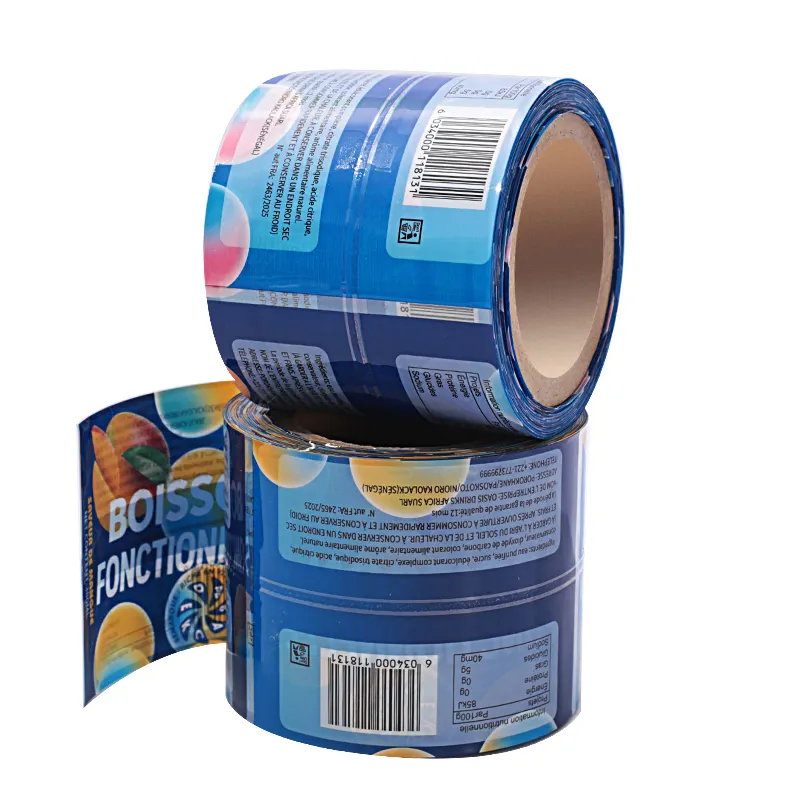
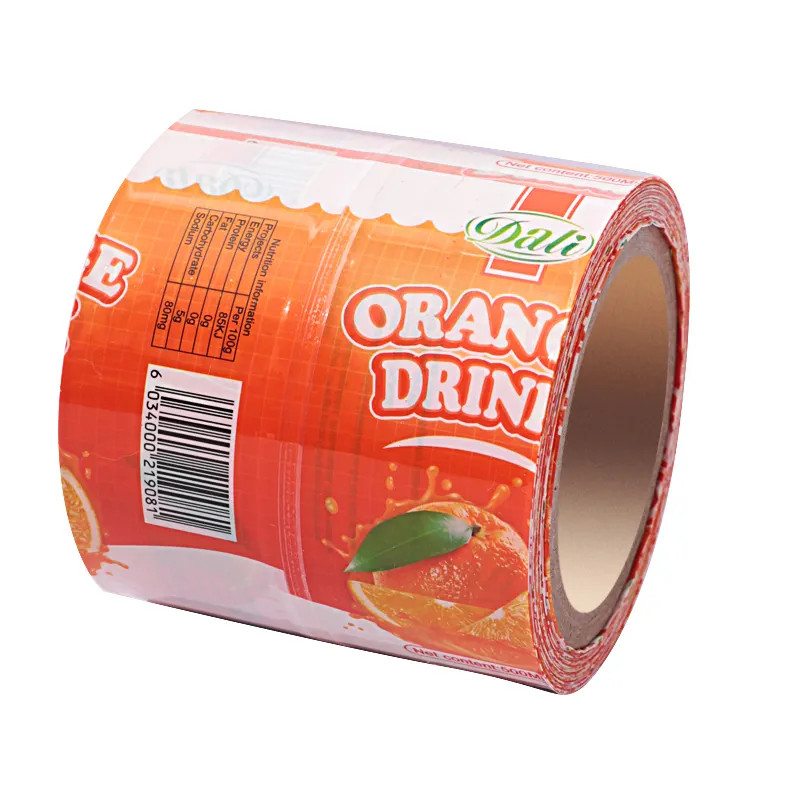
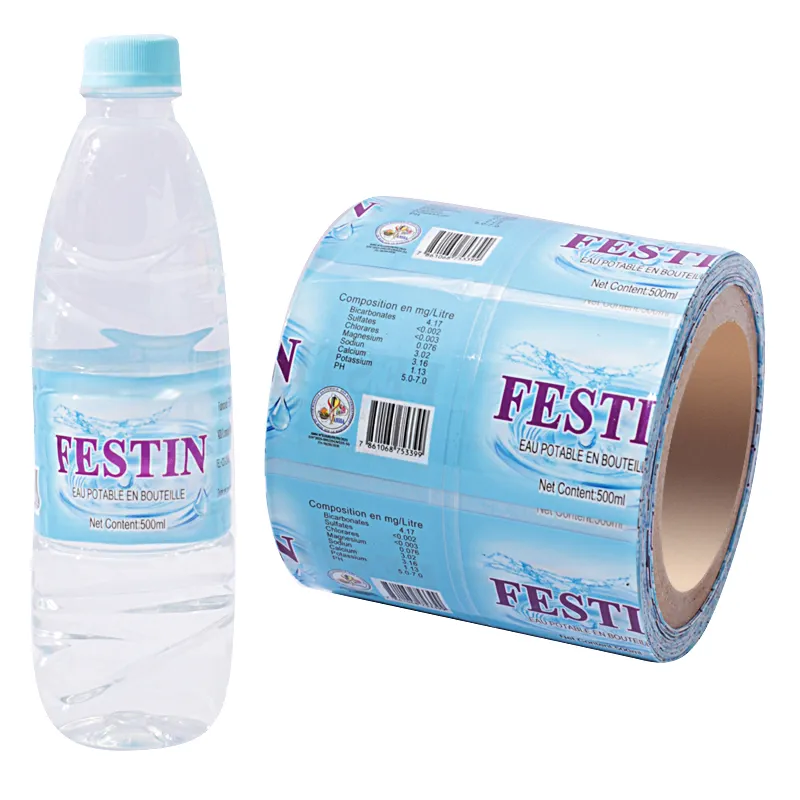
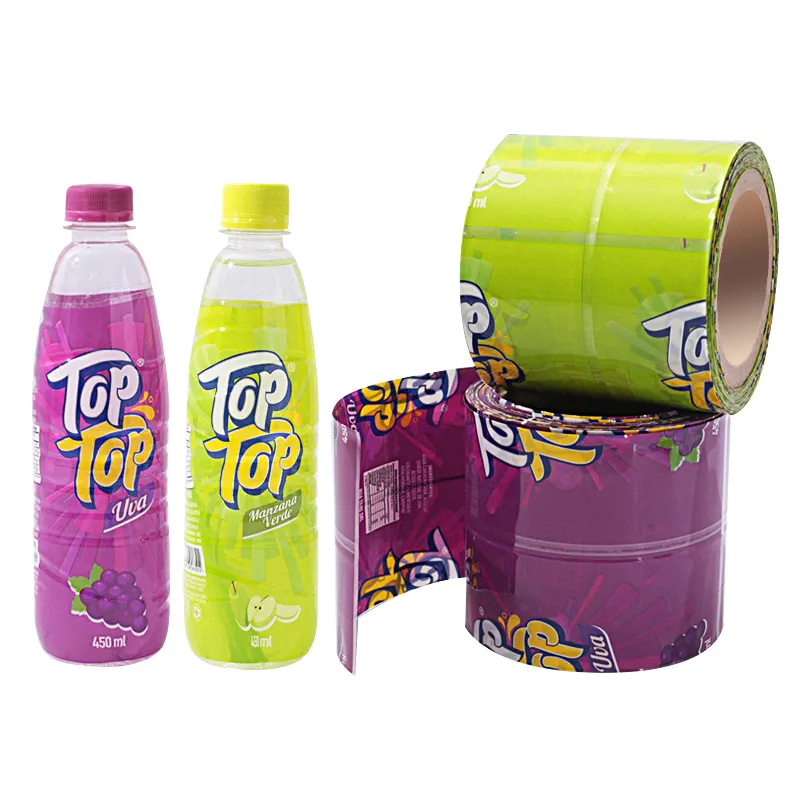
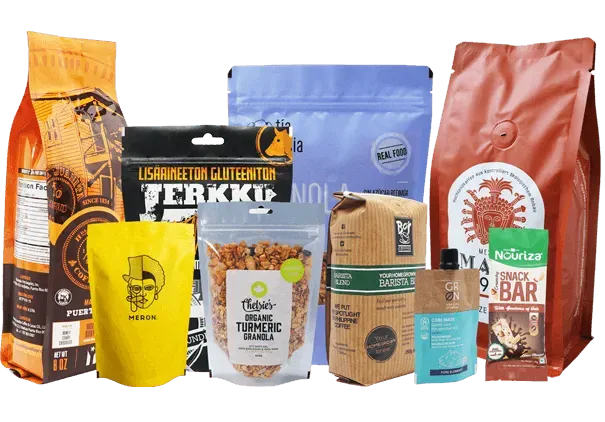
Гибкая упаковка для пищевых продуктов покрывает пленки, пакеты и сумки, которые могут сгибаться, складываться или разваливаться.
К распространенным материалам относятся:
- полиэтилен (PE),
- полипропилен (PP),
- полиэтилентерефталат (ПЭТ),
- двуосноориентированный полипропилен (BOPP),
- сополимер этиленвинилацетата (EVOH),
- композитные материалы из алюминиевой фольги.
Типичными форматами являются пакеты-стойки, пакеты с носиком, пакеты с плоским дном, рулоны, пакеты-саше и вакуумные пакеты.
Поэтому она совершенно не похожа на жесткую упаковку для пищевых продуктов.
Основные движущие силы, стоящие за сдвигом
Эффективность использования материалов и затрат
Гибкие форматы используют гораздо меньше материала на единицу продукции, чем жесткие контейнеры. Меньшее количество сырья означает снижение затрат на материалы и сокращение потребления энергии. Такая экономия особенно заметна в масштабе, где упаковка на основе пленки может значительно снизить расходы на единицу продукции по сравнению с банками, жестяными банками или тяжелыми бутылками.
Преимущества логистики и хранения
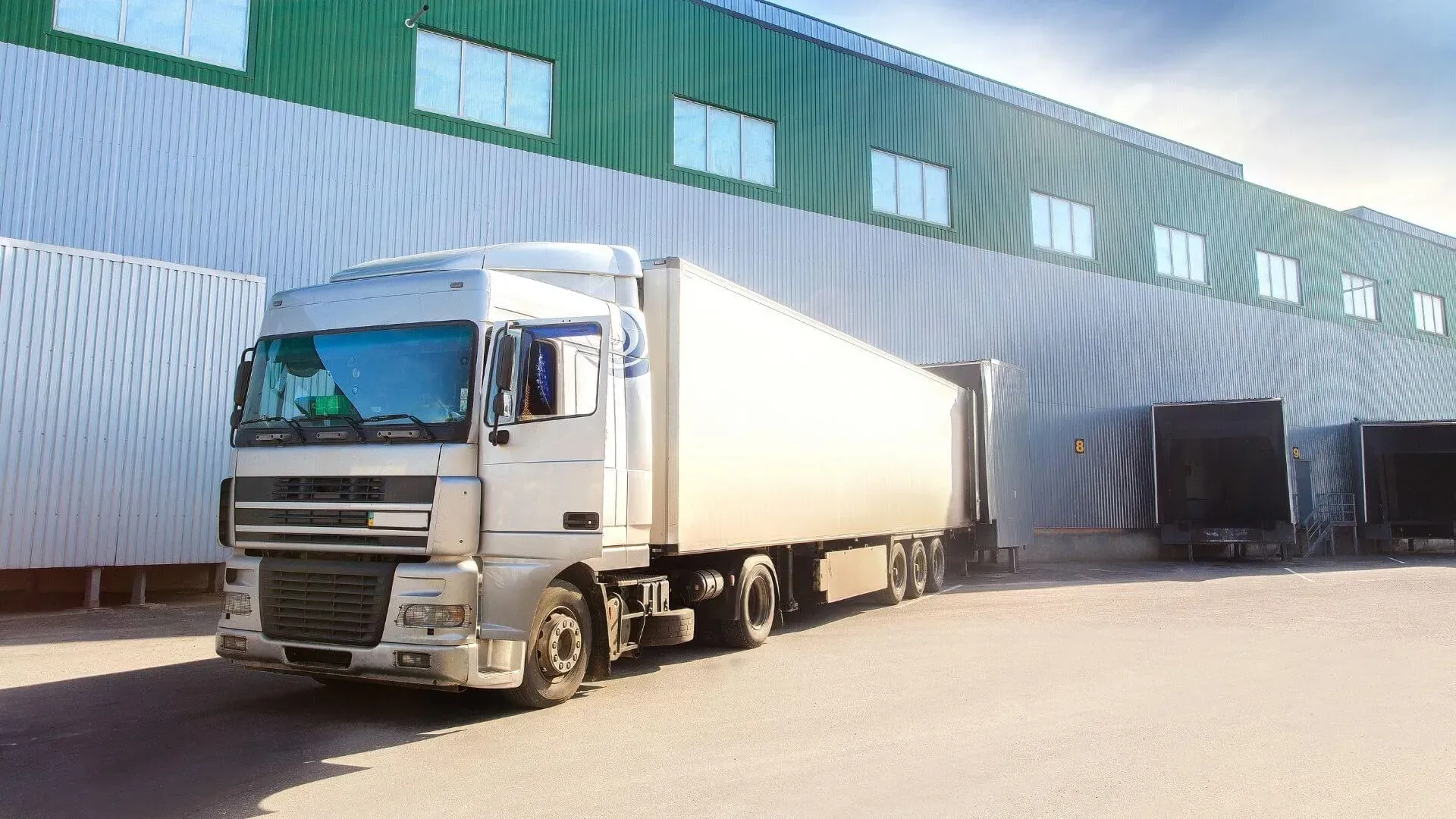
Благодаря тому, что пакеты разворачиваются, когда они пусты, и плотно упаковываются при транспортировке, повышается эффективность использования паллет и снижаются транспортные выбросы. Гибкие пакеты легче перевозить и дешевле хранить, что снижает как стоимость перевозки, так и углеродный след пищевого бренда.
Улучшенная защита продуктов и сокращение пищевых отходов
Современная многослойная гибкая упаковка для пищевых продуктов обладает превосходными барьерными свойствами по отношению к влаге, кислороду и свету. Можно сочетать высокобарьерные ламинаты с добавлением кислородных фильтров или упаковкой с азотной промывкой, что позволяет сохранить свежесть скоропортящихся продуктов, таких как кофе, закуски и сухофрукты, в течение длительного времени, а значит, сократить количество отходов и возвратов.
Удобство и функциональность для потребителя
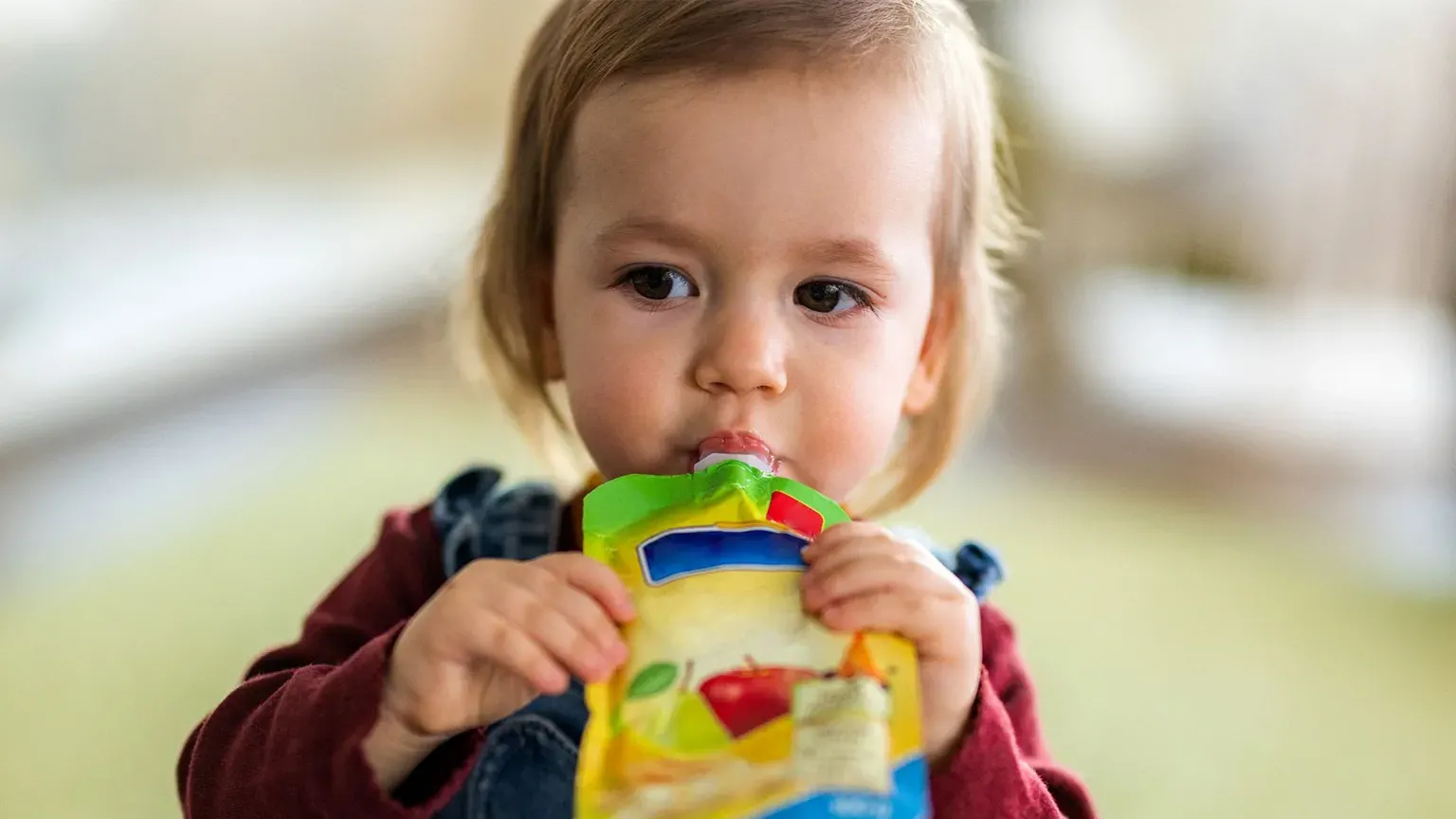
Застежки-молнии, удобные носики, пакеты на одну порцию и другие функции, обеспечивающие устойчивость к разрыву, способствуют активной жизни потребителя. Эргономичный дизайн и легкая конструкция коробок обеспечивают потребителям лучший опыт, упрощая хранение предметов ежедневного использования.
Динамика устойчивого развития
Гибкие упаковки часто демонстрируют более низкий уровень выбросов за весь жизненный цикл в расчете на единицу продукции благодаря меньшему использованию материалов и меньшему транспортному весу. Достижения в области производства пленок из мономатериалов, ламинатов из ПЭ/ПП, пригодных для вторичной переработки, и компостируемых пленок укрепляют экологические аргументы в пользу гибких форматов по сравнению со многими жесткими альтернативами.
Сравнение производительности: Гибкая и жесткая упаковка
| Параметр | Гибкая упаковка для пищевых продуктов | Жесткая упаковка |
|---|---|---|
| Использование материалов | Низкая - тонкие пленки, меньше материала/упаковки | Высокая - стекло, металл, толстые пластики |
| Эффективность транспорта | Отличный - складной, легкий | Беднее - тяжелый, громоздкий |
| Возможность установки барьеров | Высокая (с ламинатом/EVOH/фольгой) | Очень высокая для металла/банки; стекло отлично |
| Наличие на полке | Прочность (большие панели для печати) | Прочность для премиального вида (стекло/банки) |
| Удобство для потребителя | Высокие - герметичные, наливные, одноразовые | Варьируется - часто более тяжелые, менее портативные |
| Стоимость за единицу | Как правило, ниже в масштабе | Часто дороже (материал и транспорт) |
| Возможность вторичной переработки | Совершенствование (мономатериалы, коллекция фильмов) | Часто пригодны для вторичной переработки (стекло/металл) |
| Лучшие примеры использования | Закуски, кофе, соусы, порошки, заморозка | Газированные напитки, консервы длительного хранения, хрупкие товары |
Где побеждают гибкие форматы
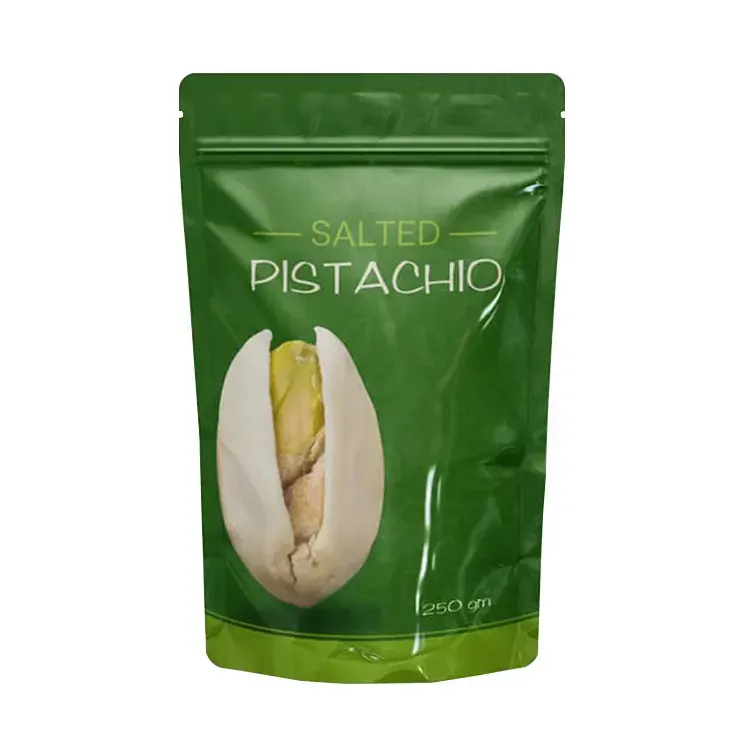
- Снэки и конфеты: Легкие пленки позволяют сохранить хрустящую текстуру и поддерживают привлекательную печать.
- Кофе и чай: Пакет с высоким барьером и выпускным клапаном эффективно удерживает аромат.
- Соусы и жидкие продукты: Пакет Spout может заменить громоздкие бутылки и банки во многих случаях.
- Порошкообразные продукты и добавки: Подставка на молнии для удобного количественного доступа и многоразовой герметизации.
- Замороженные и охлажденные продукты: термозапечатываемая мягкая пленка обеспечивает безопасное замораживание и компактное хранение.
Когда жесткая упаковка все еще имеет смысл
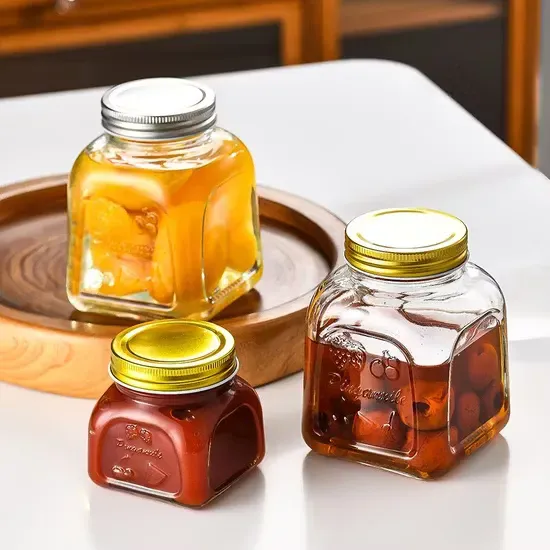
Жесткие варианты остаются предпочтительными для специфических потребностей: газированные напитки (устойчивость к давлению), очень длительная сохранность консервов, презентация премиум-класса (стеклянные банки для элитных консервов), а также продукты, требующие надежной физической защиты. Жесткие контейнеры также легче перерабатывать во многих муниципальных системах, что важно для стратегий устойчивого развития.
Практическое руководство для продуктовых брендов
- Начните с потребностей в продукте. Определите требуемый срок годности, барьерные цели (OTR/MVTR) и потребительские сценарии использования.
- Соотнесите формат с функцией. Для портативности и экономичности используйте гибкие пакеты; жесткие выбирайте только в тех случаях, когда важна прочность или первоклассная презентация.
- План на конец жизни. Приоритет отдавайте мономатериальным конструкциям и сообщайте инструкции по утилизации на упаковке.
- Тестируйте рано и часто. Проводите ускоренные испытания на срок годности и распространение перед изменением формата.
- Работайте с конвертерами. Совместно разрабатывайте конструкции, обеспечивающие баланс между барьерными характеристиками, качеством печати и возможностью переработки.
Заключение
Возвышение гибкая пищевая упаковка обусловлена четким сочетанием экономических, эксплуатационных характеристик и предпочтений потребителей. Гибкие форматы сокращают расход материалов, снижают логистические расходы, повышают удобство и - при правильном проектировании - способствуют достижению целей устойчивого развития.
Жесткая упаковка все еще имеет свое место для особых технических или премиальных потребностей, но для многих современных пищевых продуктов гибкие решения обеспечивают превосходное сочетание защиты, стоимости и удобства использования.
Для пищевых брендов, стремящихся к инновациям, переход на правильный гибкий формат - один из самых действенных рычагов, позволяющих добиться как коммерческих, так и экологических преимуществ.
О GQ PACK

GQ PACK - это Ведущий производитель гибкой упаковки для пищевых продуктов на заказ известна стабильным качеством, быстрой доставкой и сильными техническими возможностями. Мы разработать на заказ гибкая упаковка для пищевых продуктов для брендов, розничных продавцов и дистрибьюторов упаковки по всему миру.
У нас на складе имеется широкий ассортимент категорий гибкой упаковки для пищевых продуктов, таких как пакеты с носиком, подсумки-стойки, пакеты с плоским дном, и инъекционные пакеты для напитков. GQ PACK - это поставщик, которому можно доверять: он отвечает на запросы, ориентируется на качество и стремится поддержать успех вашей продукции.