RU
RU  EN
EN  DE
DE  FR
FR  AR
AR  ES
ES  JA
JA 
Сосредоточение внимания только на цене за единицу товара - распространенная ловушка при закупках. На сайте гибкая пищевая упаковка Приобретенные вами продукты становятся частью вашей системы - они влияют на бесперебойность производства, логистику, срок хранения и регуляторные риски.
Для покупателей B2B, особенно для зарубежных команд по поиску поставщиков, цель состоит в том, чтобы рассчитать общую стоимость доставки: все расходы на доставку соответствующего требованиям и пригодного для продажи продукта в готовые к продаже картонные коробки, а не только расценки за мешок.
Как ведущий производитель гибкой упаковки для пищевых продуктов на заказGQ PACK здесь предоставляет некоторые из факторов для покупателей, чтобы оценить поставщика упаковочных мешков.
Факторы, формирующие истинную стоимость индивидуальной гибкой упаковки для пищевых продуктов
Выбор материала и печати задает базовый уровень
Пленки с более высоким барьером, металлизация или слои EVOH, многоцветная глубокая печать и специальные лаки увеличивают цену за единицу продукции, но они также существенно влияют на срок хранения и позиционирование бренда.
Прагматичный покупатель рассматривает гибкий упаковочный материал и печать как инвестиции: более высокая первоначальная стоимость может снизить количество порчи и возвратов, а также уменьшить количество проблем после продажи.
Выход продукции и дефекты
Это самая простая часть, которую могут проигнорировать зарубежные покупатели.
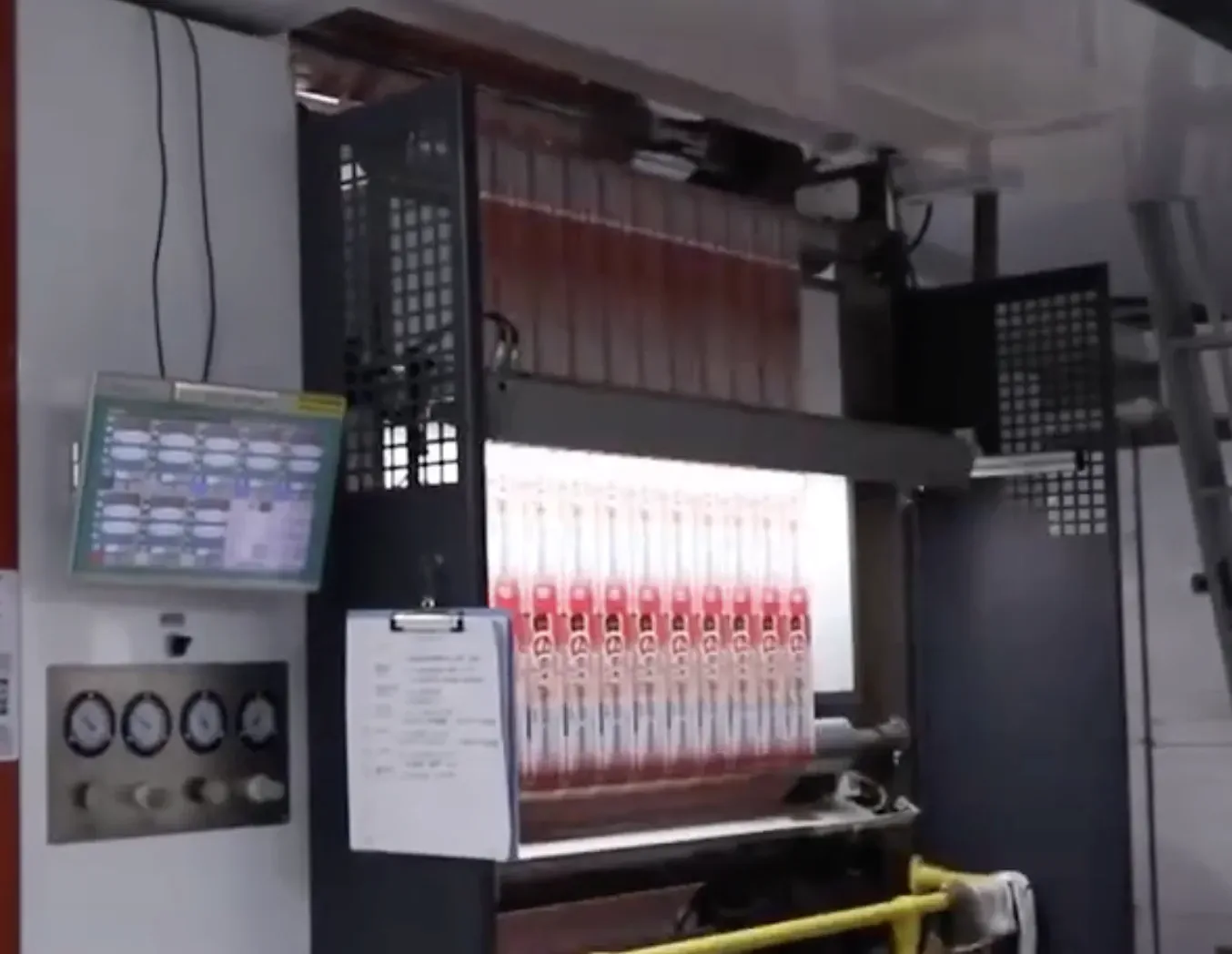
Каждый процент брака, дефектов печати или неправильной регистрации оттиска напрямую увеличивает стоимость единицы продукции. Команды, занимающиеся закупками за рубежом, знают, что одна неудачная партия продукции может свести на нет экономию от низкого предложения.
Попросите поставщиков предоставить данные о количестве дефектов за прошлые периоды и о причинах их возникновения, чтобы смоделировать возможные затраты на доработку и отбраковку.
MOQ и стоимость запасов
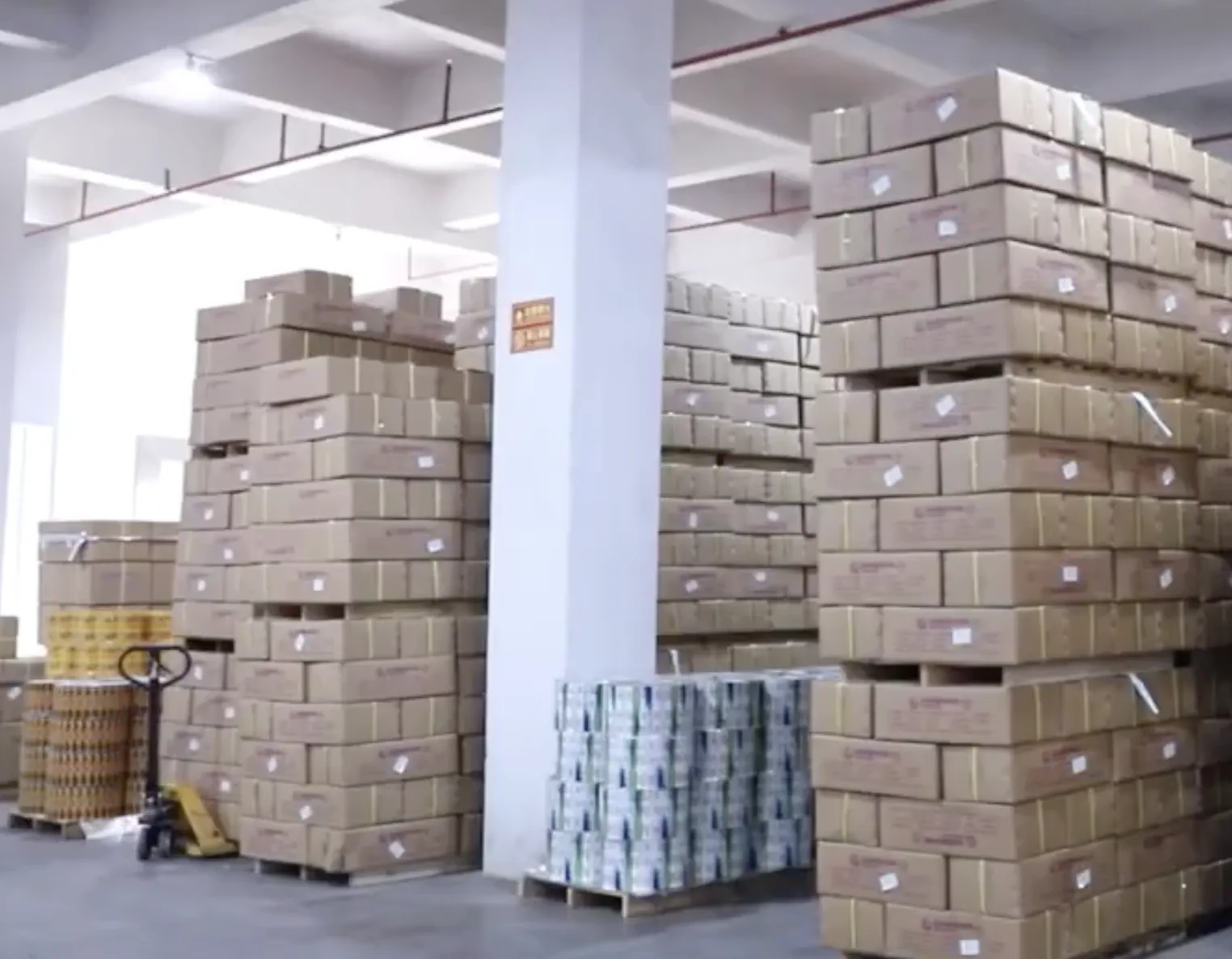
Их необходимо смоделировать, чтобы рассчитать давление на запасы. Высокие минимальные объемы заказов вынуждают держать большие запасы и увеличивать оборотный капитал. При поиске поставщиков гибкая пищевая упаковка При поставке товаров из Китая или других регионов с низкими ценами следует учитывать стоимость дополнительных поддонов, риск устаревания изделий, а также площадь, необходимую на складах при длительных сроках поставки.
Стоимость доставки
Логистика, пошлины и использование контейнеров составляют большую часть конечной стоимости доставки. Плохо упакованный рулонный товар или неэффективная картонная упаковка снижают заполняемость контейнеров, увеличивая стоимость перевозки на единицу товара. Команды по закупкам должны сравнивать эффективность паллетизации поставщика и варианты FOB и DDP, чтобы прогнозировать реальные расходы на логистику.
Последствия для хранения и срока годности
Они являются еще одним основным фактором, влияющим на затраты. Недостаточные барьерные характеристики или неравномерная герметизация могут ускорить порчу продукта при транспортировке, хранении в розничной торговле и использовании потребителем. Указание подтвержденных целевых показателей OTR/MVTR для гибкая пищевая упаковка Структура и требование предоставления поставщиком данных испытаний снижает вероятность возврата продукции и потерь времени на полке.
Операционное воздействие на производство и выполнение заказов
Эффективность и пропускная способность наполнителя
Выбор упаковки влияет на время работы наполнителя и производительность. Пленки с низкой жесткостью или несовместимые уплотнения могут увеличить количество остановок оборудования и брака на высокоскоростных линиях формования и запечатывания. Для брендов с частной этикеткой поставщик, который соответствует требованиям гибкая пищевая упаковка на вашем реальном наполнителе снижает риск запуска и скрытые затраты на простои.
Оптимизация обработки
Погрузочно-разгрузочные работы, упаковка и конфигурация паллет - это рабочие рычаги. Дизайн, упрощающий упаковку и сокращающий ручную работу, позволит сэкономить на рабочей силе и стоимости термоусадочной пленки. И наоборот, визуально сложный пакет, требующий ручной установки в картонную упаковку, добавит трудозатраты, которые редко фигурируют в RFP.
Опыт и удержание пользователей
Потребительский опыт влияет на количество возвратов и повторных покупок. Герметичные молнии, аккуратно открывающиеся надрезы и прочные окна снижают количество жалоб. Брендам следует взвесить предельные затраты на эти функции в гибкая пищевая упаковка дизайн с ожидаемым повышением скорости продаж и уменьшением количества случаев обслуживания клиентов.
Факторы риска при изготовлении гибкой упаковки для пищевых продуктов на заказ, которые приводят к увеличению стоимости
Постоянство качества
Несоответствие качества - главная скрытая статья расходов. Зарубежные закупочные команды опасаются "качества образцов", которое разрушается в процессе производства. Результат: дорогостоящие раздельные поставки, ускоренные замены и напряженные отношения с розничными продавцами. Требуйте от поставщиков документировать OTR/MVTR на уровне партии и обеспечивать контроль процесса, чтобы продемонстрировать воспроизводимость.
Комплаенс и регуляторный риск
Пробелы в нормативно-правовом регулировании и соблюдении требований влекут за собой прямые штрафы и косвенные расходы. Несоответствующая краска, отсутствие деклараций о соответствии или плохая прослеживаемость могут стать причиной отзыва продукции. Для добавок, детского питания или экспортных рынков бремя соблюдения нормативных требований делает гибкая пищевая упаковка Выбор - это решение по управлению рисками в той же степени, что и переговоры о цене.
Трения при общении
Культурные и коммуникационные задержки могут задерживать принятие корректирующих мер и увеличивать расходы. Зарубежные команды часто ссылаются на медленное признание проблем, неясные объяснения первопричин или несогласованные технические отчеты на английском языке. Такие задержки превращают мелкие дефекты в крупные логистические и репутационные издержки.
Как эффективно рассчитать общую стоимость
Применяйте формульный подход, который превращает качественные риски в количественно измеримые статьи:
Общая стоимость посадки на единицу =
Цена за единицу
+(Количество лома × Стоимость переработки)
+(дополнительный фрахт за снижение загрузки контейнеров)
+ (стоимость хранения запасов для MOQ)
+ (стоимость простоя на одно производственное происшествие ÷ количество произведенных единиц)
+ (Ожидаемая стоимость гарантии / возврата)
+Накладные расходы на проверку соответствия и испытания на единицу продукции.
Моделируйте сценарии: консервативный (большое количество брака, ускоренная перевозка), вероятный (наблюдаемые исторические показатели) и оптимистичный (наилучшие показатели поставщика). Используйте предоставленные поставщиком данные о дефектах и испытаниях для заполнения переменных брака и доработок - если поставщики не могут их предоставить, добавьте премию за риск.

Лучшие практики для зарубежных покупателей
Предварительный аудит заводов на предмет систем контроля качества и прослеживаемости.
Обратите внимание на документированный контроль в процессе производства, CoA на уровне партии и доступную испытательную лабораторию для проведения OTR/MVTR и испытаний на прочность печати. Прозрачный гибкая пищевая упаковка поставщик будет публиковать типичные показатели выхода продукции и иметь четкие процедуры корректирующих действий.
Проведите пробные испытания на предполагаемом наполнителе.
Проверка пакета в реальных условиях линии позволяет выявить проблемы с запечатыванием, дозированием и обращением до массового заказа. Настаивайте на критериях приемки (прочность запечатывания, O₂ пространства, ΔE печати) и сделайте так, чтобы плата за образец возвращалась после успешной проверки.
Требуйте дезагрегированных котировок.
Разделите расходы на материалы, настройку печати, машинное время, контроль качества, тестирование и транспортировку, чтобы вы могли заменить варианты и увидеть реальное влияние на совокупную стоимость владения. Согласуйте условия контроля изменений, требующие предварительного одобрения любых замен материалов или процессов.
Учитывайте протоколы коммуникации и эскалации.
Уточните время реагирования на дефекты, порядок документирования несоответствий, а также кто будет финансировать ускоренную замену. Зарубежные группы закупок должны требовать четких SLA, связанных с выполнением корректирующих действий.

Заключение
Оценка гибкая пищевая упаковка Ориентация исключительно на цену единицы продукции - это ложная экономия. Истинная стоимость включает в себя характеристики материалов, выход продукции, логистику, инвентаризацию и накладные расходы, связанные с соблюдением нормативных требований, а самые серьезные потери связаны с непредсказуемым качеством или задержкой ответов. Умные B2B-закупщики преобразуют данные о поставщиках в смоделированные сценарии, проверяют эффективность работы в режиме онлайн и закладывают в решения о закупках надбавки за риск. Благодаря такому дисциплинированному подходу закупки упаковки превращаются из центра затрат в предсказуемый фактор, способствующий успеху продукции.
О GQ PACK
GQ PACK это лведущий производитель гибкой пищевой упаковки на заказ обслуживает клиентов B2B по всему миру. Наша фабрика специализируется на производстве высокобарьерных пленок, многоцветной глубокой печати, повторно запечатываемых пакетов и полностью индивидуальные решения для гибкой упаковки пищевых продуктов.
Мы поддерживаем проекты, соответствующие нормативным требованиям, подтверждаем эффективность OTR/MVTR, проводим пилотные испытания на наполнителях клиентов и ведем документацию по качеству на уровне партии. Сочетая производственный опыт, отслеживаемый контроль процесса и индивидуальные варианты материалов и конструкций, GQ PACK помогает брендам оптимизировать срок годности, превращая упаковку из статьи расходов в стратегический бизнес-актив.