RU
RU  EN
EN  DE
DE  FR
FR  AR
AR  ES
ES  JA
JA 
В отрасли производства гибкой упаковки на заказ успех проектов зависит не только от производственных возможностей, но и от эффективного взаимодействия между производитель гибкой упаковки и заказчика. От разработки дизайна упаковки до массового производства — на каждом этапе требуется точная информация и своевременное подтверждение.
В данной статье представлен гипотетический случай, основанный на типичном опыте отрасли. Все участники упоминаются исключительно с помощью местоимений; реальные имена или конкретные данные о клиентах не раскрываются. Цель статьи — поделиться практическими знаниями о проектах по изготовлению упаковки с индивидуальной печатью и продемонстрировать, как эффективное сотрудничество может улучшить результаты проекта.
История проекта
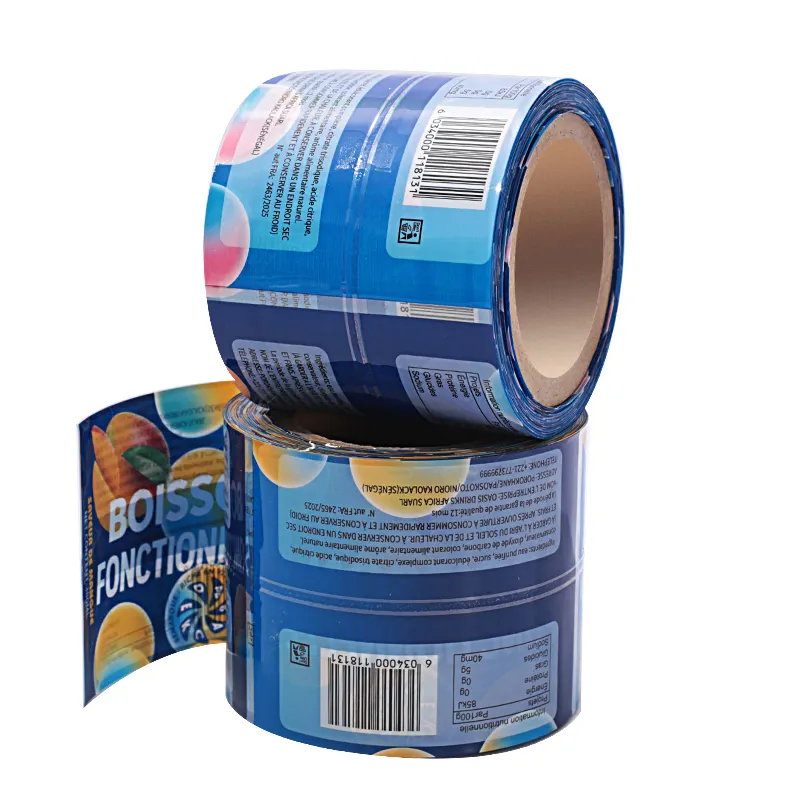
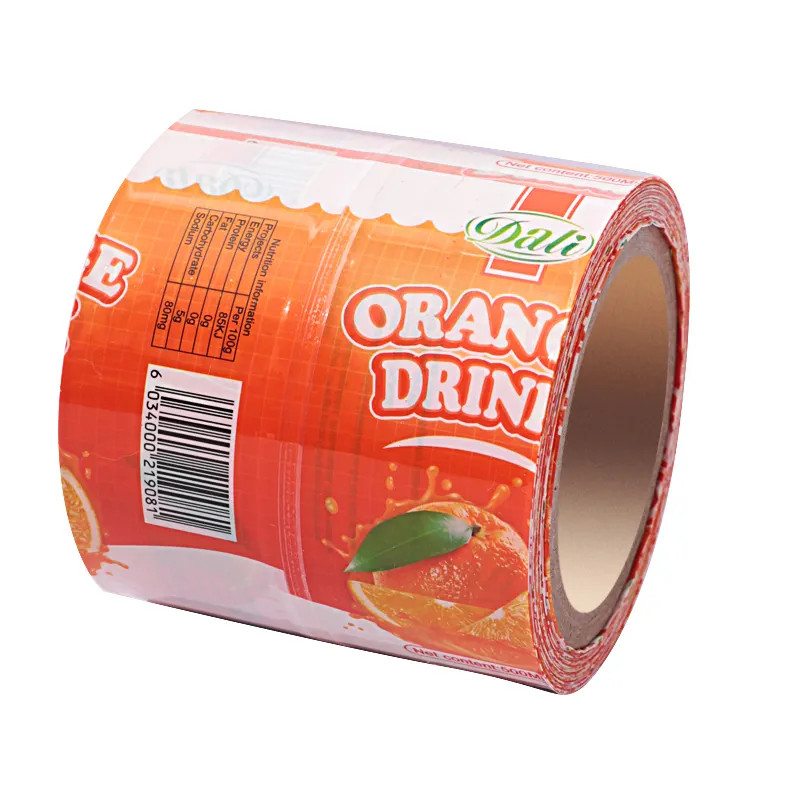
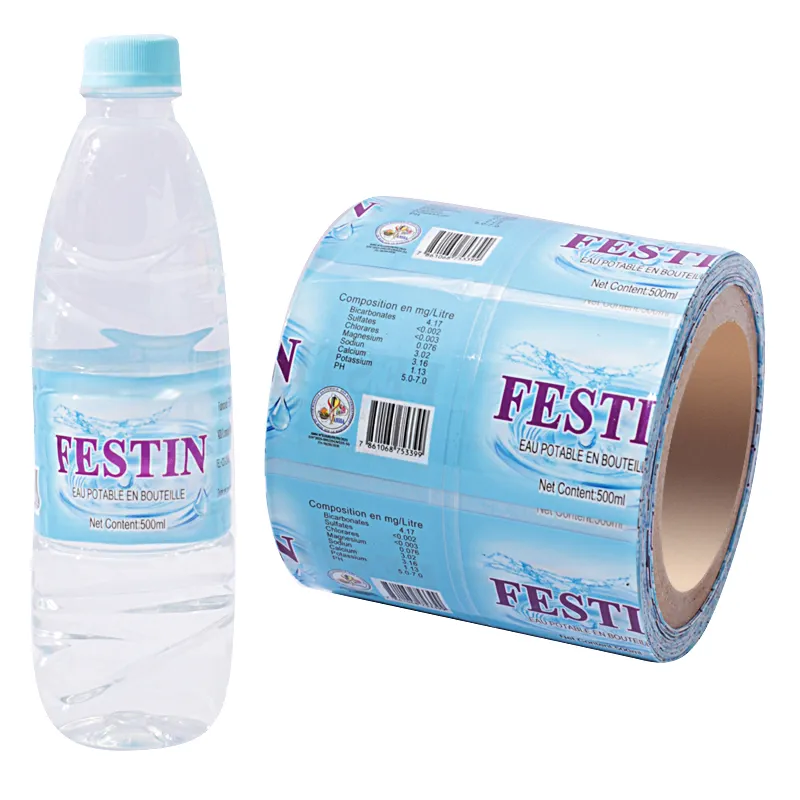
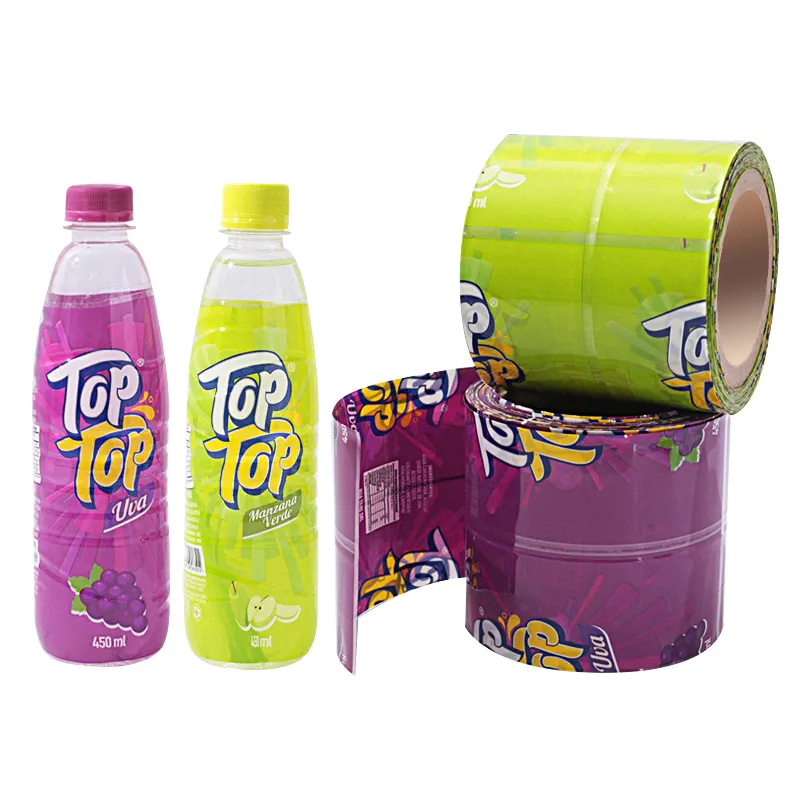
В ходе реализации проекта по изготовлению гибкой упаковки на заказ мы тесно сотрудничали с заказчиком на всех этапах проектирования и производства. Заказчик предоставил нам как файлы с макетами упаковки, так и физические образцы в качестве ориентиров для производства.
Однако в ходе последующего общения мы выявили ряд несоответствий между проектными файлами и физическими образцами. Такие элементы, как стили рисунков, расположение элементов, а также важная информация, например QR-коды, неоднократно демонстрировали расхождения, в связи с чем клиенту неоднократно приходилось подтверждать и уточнять детали.
Проблема: несогласованность стилевых ориентиров
По мере продолжения обсуждения стало ясно, что заказчик не определил, что должно иметь приоритет — физический образец или макет упаковки.
Эта неопределенность временно замедлила реализацию проекта. Начало серийного производства без четко определённого эталонного стандарта было бы безответственным с точки зрения требований заказчика и могло бы повлечь за собой ненужные риски, связанные с качеством.
Чтобы гарантировать, что готовая упаковка с индивидуальной печатью будет соответствовать ожиданиям, наша команда приняла решение приостановить производство до тех пор, пока все эталонные стандарты не будут однозначно подтверждены.
Несколько этапов доработки до утверждения образца
Для обеспечения точности производства цилиндры для глубокой печати подвергались многократным модификациям, сопровождавшимся неоднократным изготовлением и проверкой образцов упаковки.
Каждая настройка требовала дополнительного времени и ресурсов для оптимизации:
- Выравнивание шаблонов
- Единообразие макета
- Точность QR-кода
- Общий внешний вид
Хотя процесс доработки привел к удлинению цикла разработки, он также подчеркнул важность обеспечения согласованности между файлами с дизайном упаковки и физическими образцами перед запуском в серийное производство.
Поиск подходящего решения
Переломный момент наступил на этапе утверждения образца.
В результате тщательного совместного анализа и обсуждения обе стороны пришли к четкому соглашению: физический образец будет служить основным эталоном для оценки внешнего вида и конструктивных деталей, а проектная документация станет основой для внесения необходимых изменений и оптимизаций.
Этот гибридный подход к калибровке позволил эффективно устранить ранее возникшие несоответствия, благодаря чему последующие корректировки стали более целенаправленными и эффективными, а также удалось избежать повторной гравировки печатных цилиндров.
Бесперебойное производство и успешная доставка
Как только эталонная система координат была четко определена, остальная часть производственного процесса прошла без затруднений.
После того как мы совместно убедились, что цвета, рисунки и общий вид соответствуют ожиданиям, мы приступили к серийному производству в соответствии с утвержденным образцом упаковки.
Готовая продукция полностью оправдала ожидания заказчика в плане качества, функциональности и визуальной точности, а заказ был выполнен и доставлен в установленные сроки. Успешное завершение проекта также способствовало дальнейшему укреплению отношений сотрудничества между обеими сторонами.
Извлеченные уроки при реализации проектов по изготовлению гибкой упаковки на заказ
Этот опыт позволяет извлечь несколько ценных уроков для компаний, занимающихся разработкой гибкая упаковка на заказ.
Во-первых, установление четких эталонных стандартов как для макетов упаковки, так и для физических образцов на начальном этапе проекта может значительно сократить количество ненужных циклов доработки.
Во-вторых, поддержание активного взаимодействия и проведение совместной проверки на этапе утверждения образцов помогает свести к минимуму риски, связанные с несоответствием информации.
Наконец, систематический подход к решению проблем на протяжении всего проекта позволяет как производитель гибкой упаковки и заказчику эффективно решать возникающие проблемы, обеспечивая при этом соответствие конечной упаковки производственным требованиям.
Заключение
Как для производителей, так и для брендов установление четких процедур взаимодействия на начальном этапе проекта по изготовлению упаковки с индивидуальной печатью способствует более плавному переходу от разработки дизайна упаковки к серийному производству.
Данный случай показывает, что четкие эталонные стандарты, эффективная коммуникация и тщательная проверка образцов имеют решающее значение для успешного гибкая упаковка на заказ сотрудничество.
Если вы ищете опытного производитель гибкой упаковки Чтобы обеспечить успешную реализацию вашего следующего проекта по разработке упаковки, компания GA PACK готова сопровождать вас на всех этапах — от утверждения дизайна и проверки образцов до самого производственного процесса — с целью обеспечения эффективного взаимодействия, надежного качества и успешной реализации проекта.