EN
EN  DE
DE  FR
FR  RU
RU  AR
AR  ES
ES  JA
JA 
People are concerned about their food safety because it starts with its packaging. As a leading custom food flexible packaging manufacturer, GQ PACK can tell that good food packaging prevents contamination, preserves freshness, and ensures nothing harmful migrates into the product.
This article explains what safe food packaging actually means, which technical and regulatory factors matter most, common pitfalls to avoid, and practical steps manufacturers and brands should follow to keep packaging compliant and consumers safe.
What “Packaging Food-Safe” Really Means
“Packaging Food-safe” means a material or finished package will not transfer substances to food in amounts that could endanger human health or alter taste and odor. In technical terms, this covers:
- Migration — the movement of chemicals from packaging into food (overall migration and specific migration of regulated substances).
- Chemical stability — the material must remain inert under intended use conditions (temperature, time, pH).
- Hygiene & contamination control — the package must not introduce microbiological or foreign-object risk.
For practical purposes, a safe food packaging requires the right materials, clean manufacturing, suitable barrier and sealing performance, and supporting test data.
Key Criteria That Make Packaging Food-Safe
Material compliance
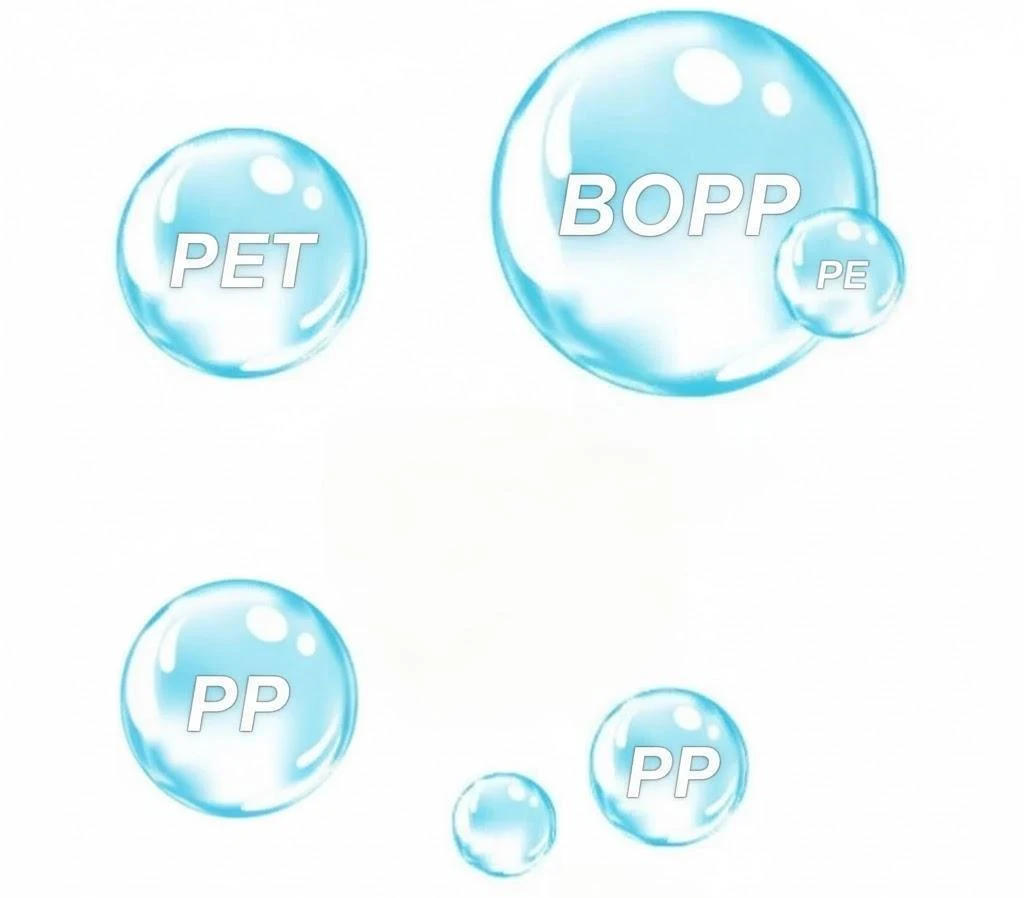
Choose materials explicitly permitted for food contact: PE, PP, PET, BOPP, food-grade aluminum foils, and certain coated papers. Materials or additives that contain restricted substances (e.g., high levels of heavy metals, certain plasticizers, or unapproved dyes) must be avoided.
For direct food contact, some regulators restrict the use or percentage of recycled content. Manufacturers should always confirm the local rules.
Migration limits and testing
Regulations set overall migration limits (OML) and specific migration limits (SML) for particular substances. Migration depends on temperature, time, food type (fatty, acidic, aqueous), and material thickness.
Validate your food packaging with accelerated migration testing and real-time shelf trials that simulate intended use (hot fill, refrigerated, frozen, long storage).
Inks, adhesives, and coatings
Inks and adhesives are common contamination sources. Use low-migration, food-grade inks and adhesives formulated for indirect or direct food contact. Ensure solvent evaporation/curing is complete before lamination or filling — poorly cured inks can transfer solvents or off-odors.
Barrier and seal performance
We’ve been seeing packages that may be food-safe in material composition but fail due to poor seals, which cause microbial ingress or oxidation. Confirm seal strength, burst/burst pressure, and leak integrity under production and storage conditions. For oxygen- or moisture-sensitive products, verify OTR/MVTR values meet target shelf life.
Manufacturing hygiene and controls
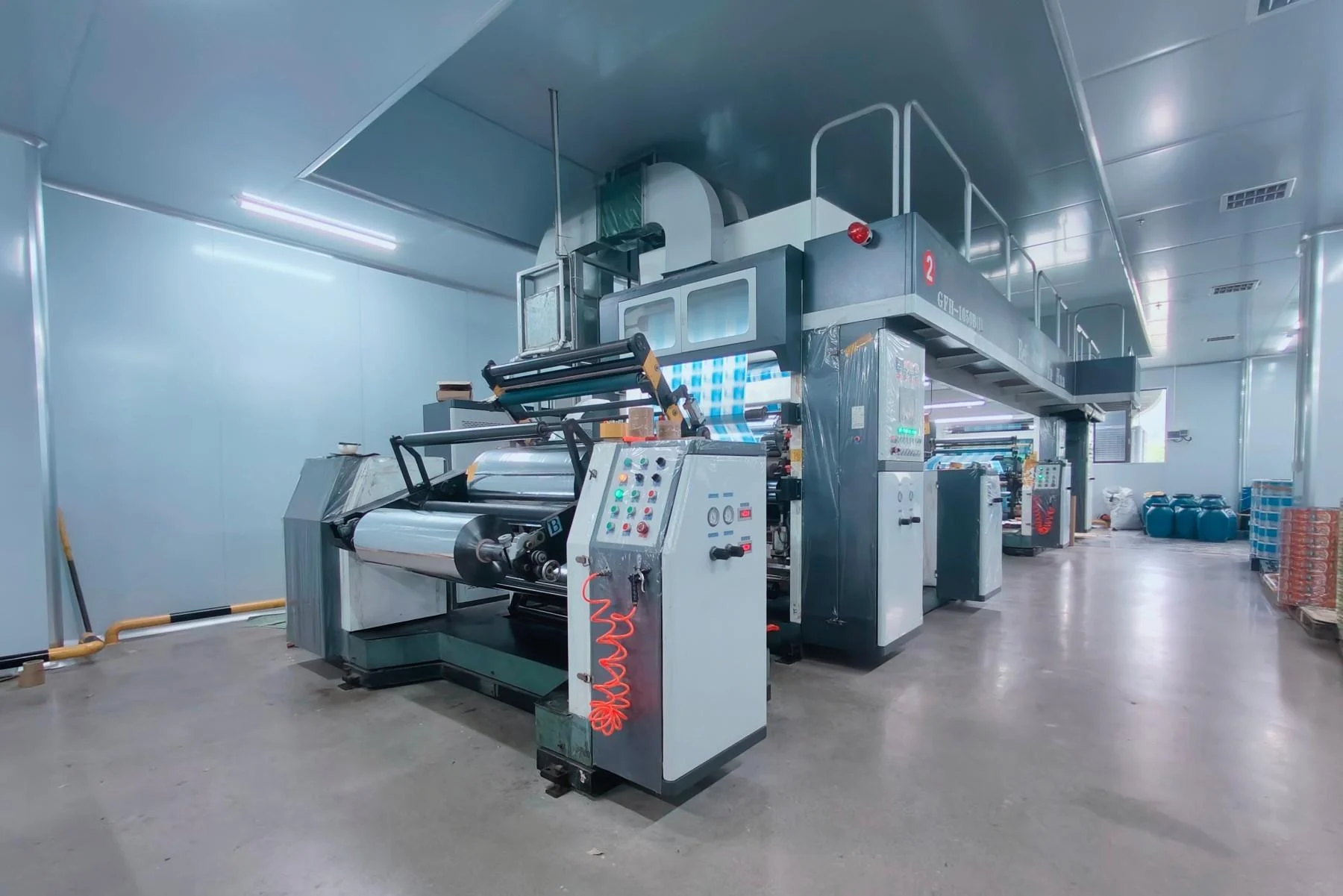
Good Manufacturing Practice (GMP) prevents contamination during production, making an excellent safe food packaging. This includes controlled production zones, personnel hygiene, dust and foreign-object control, and validated cleaning procedures. Maintain traceability of material lots and production batches to ensure rapid and accurate positioning and response at any stage, thereby providing customers with the highest standard of product assurance.
Key Regulations and Standards to Know
- U.S. FDA 21 CFR — food contact substances and good manufacturing practices.
- EU Framework Regulation (EC) No 1935/2004 and EU GMP (Reg. 2023/2006) — overall framework and manufacturing rules in Europe.
- China GB standards — national food contact material regulations.
- ISO 22000 / HACCP — food safety management systems that often extend to packaging suppliers.
- Industry test labs/certifiers — SGS, Intertek, TÜV provide migration and material testing.
A Declaration of Compliance (DoC) from suppliers, backed by Certificates of Analysis (CoA), is essential documentation.

Common Mistakes that Break Food Safety
If you want to make your food packaging safe enough, please avoid:
- Using non-food-grade inks or adhesives to save cost.
- Assuming a material is safe because it’s commonly used (context matters: hot fill vs cold fill).
- Poor curing or laminating that traps solvents or creates weak interlayer bonds (delamination).
- Inadequate seal testing — weak seals lead to leaks and contamination.
- Confusing “recyclable” with “food-safe” — a recyclable film may still fail migration limits or interaction tests.
Practical Testing & Verification Checklist
- Confirm the material DoC/CoA for every incoming roll.
- Run migration testing (OML and SML) for representative food simulants and worst-case conditions.
- Perform seal and integrity tests (peel strength, burst, vacuum/bubble leak) on finished pouches.
- Conduct organoleptic tests (odor/taste) after storage trials.
- Validate adhesives and inks for low-migration performance.
- Document GMP controls: cleaning logs, personnel training records, and batch traceability.
- Audit suppliers for compliance and third-party testing records.
Design and Operational Best Practices
Here are practices that help you create your safe food packaging:
- Prefer mono-material constructions if possible (easier to validate and often more recyclable).
- Limit ink coverage on surfaces that contact food directly.
- Use tamper-evident and hygienic closures for higher-risk products.
- Match sealant chemistry precisely to outer film and production speeds — seal failures are a leading cause of recalls.
- Keep all food contact material specs and test results centralized and ready for audits.
Conclusion
Food safety is not a single test or certificate — it’s a system. Material selection, ink/adhesive chemistry, barrier and seal performance, controlled manufacturing, and regulatory compliance must all align. For brands and converters, investing early in proper materials, robust testing, and GMP practices reduces recall risk, protects consumers, and builds brand trust.
About GQ PACK
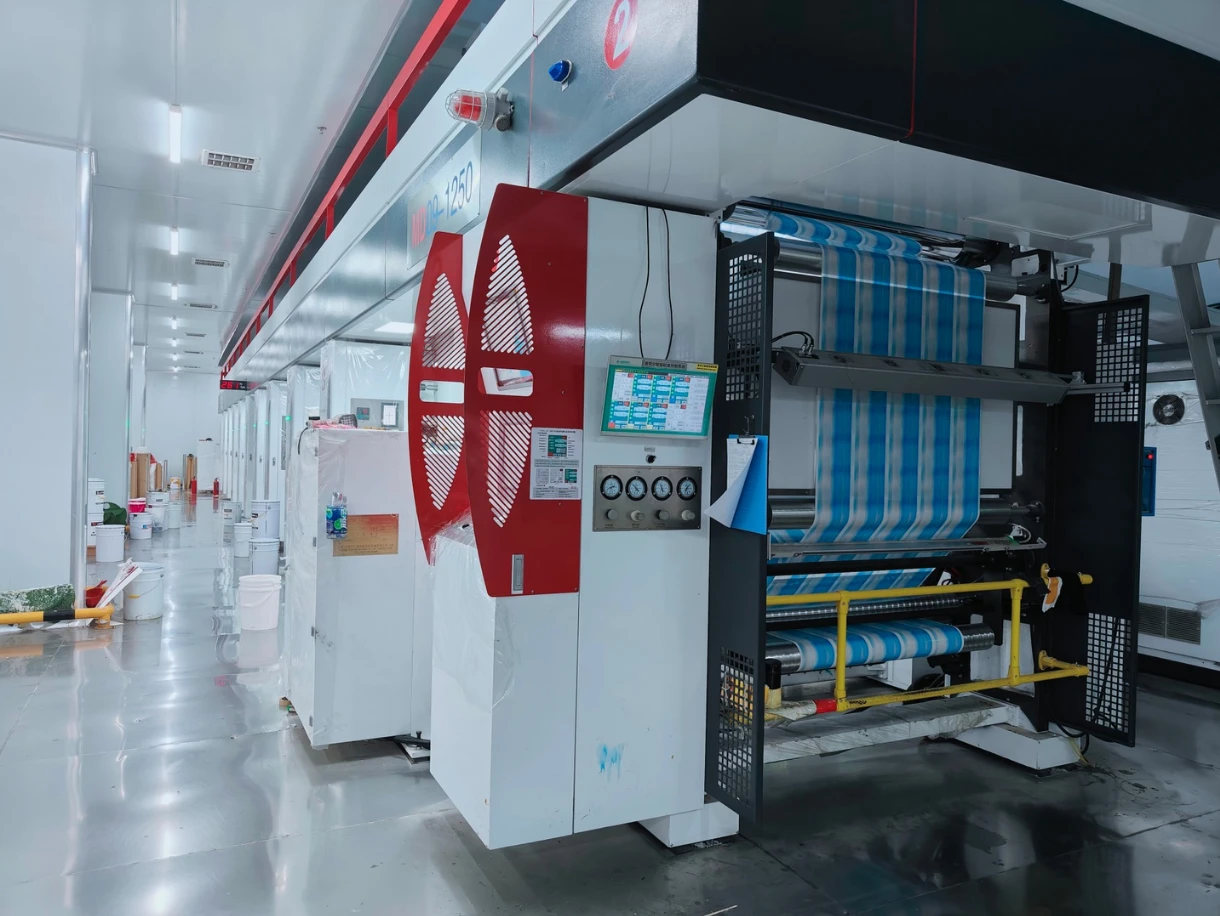
GQ PACK is a leading custom food flexible packaging manufacturer, providing wholesale food flexible packaging supply and tailored food flexible packaging solution services.
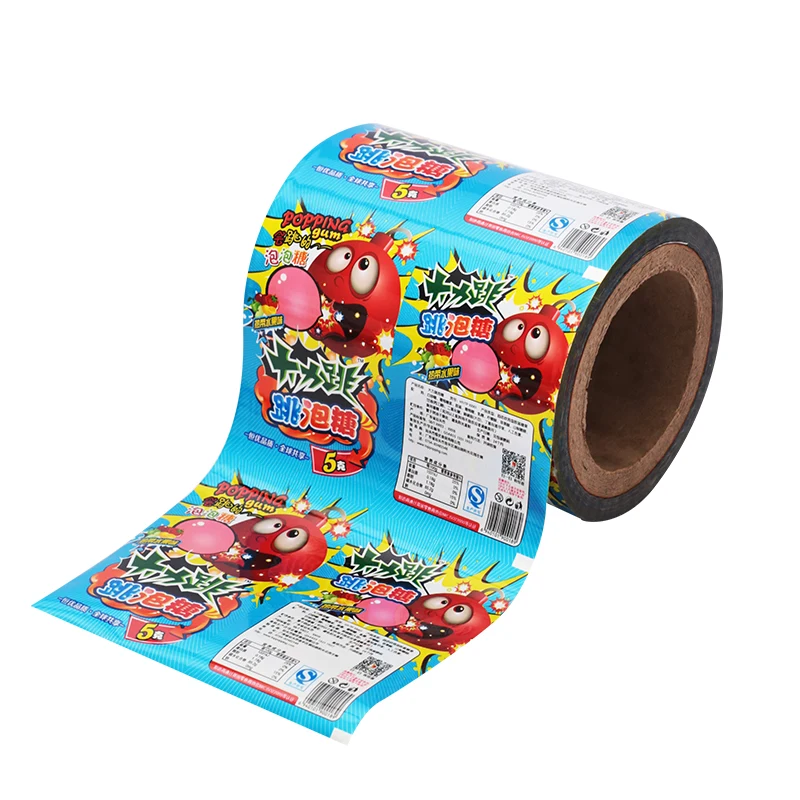
All materials used in our spout pouches and packaging film rolls meet international food-safety standards and are fully traceable, giving buyers confidence in every batch. Our production flow integrates strict QC—from printing to sealing—to ensure consistent strength, clarity, and performance.
With strong industry experience and reliable service, GQ PACK remains a trusted partner for brands seeking safe, customizable, and market-ready food packaging.