EN
EN  DE
DE  FR
FR  RU
RU  AR
AR  ES
ES  JA
JA 
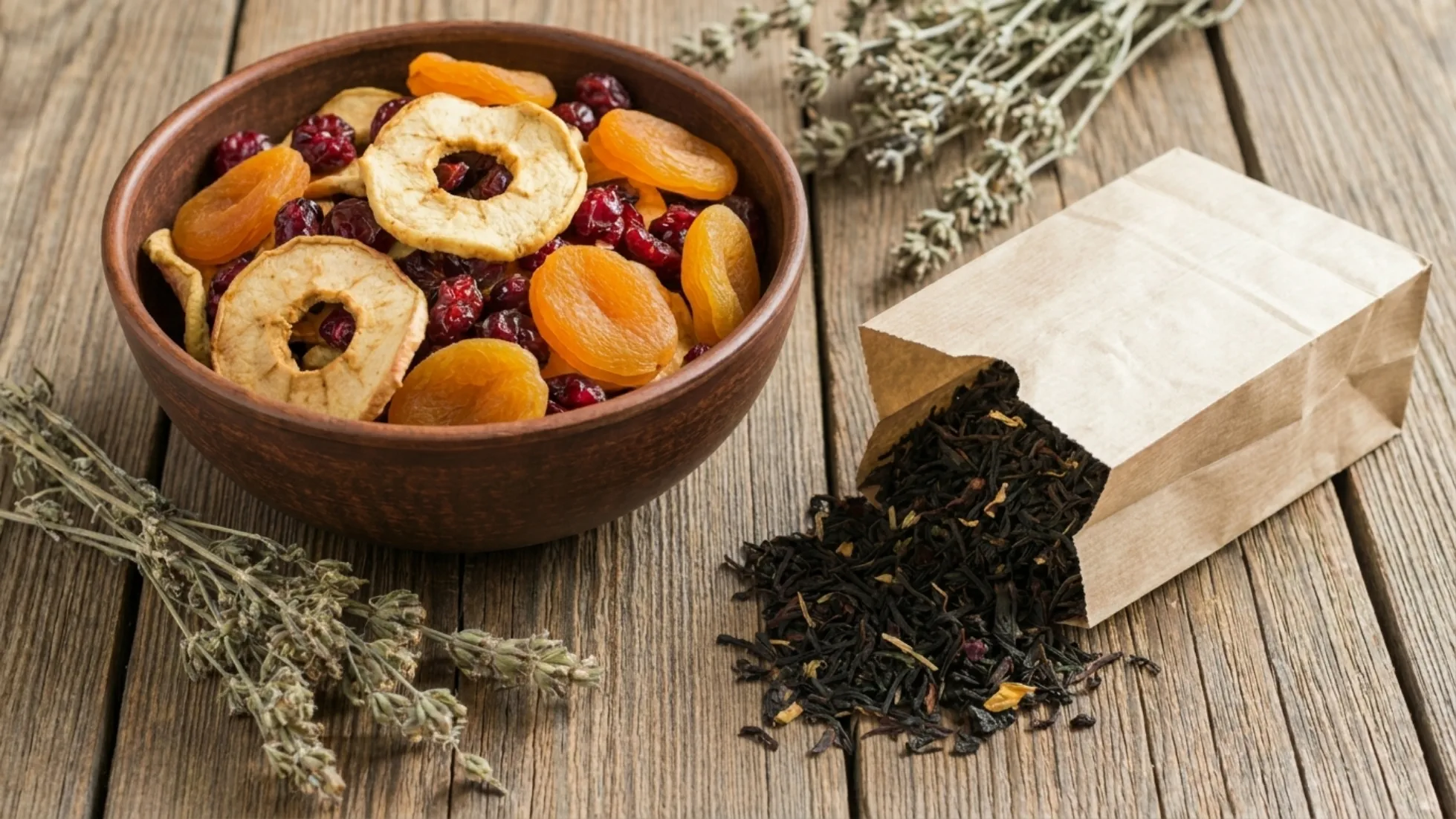
Dried fruits and tea are highly sensitive to moisture, oxygen, light, and odors during storage and transportation. Once exposed to humid air, dried fruits can quickly lose their crisp texture due to moisture absorption and oil oxidation, while tea leaves may absorb surrounding odors and gradually lose their natural aroma and freshness.
For brands, wholesalers, and food manufacturers, selecting the right moisture-proof packaging roll film is not only about protecting product quality — it also directly affects shelf life, product appearance, customer satisfaction, and brand positioning.
With so many packaging materials available on the market, choosing the most suitable roll film can feel overwhelming. In reality, the ideal solution depends on several factors, including product value, storage duration, transportation conditions, and packaging design requirements.
This guide explains the most common moisture-proof roll film materials used for dried fruit and tea packaging, along with their advantages, limitations, and recommended applications.
Why Moisture Protection Matters for Dried Fruits and Tea
In custom flexible food packaging, both dried fruits and tea are considered moisture-sensitive food products, but the reasons differ slightly.
Dried Fruits: Vulnerable to Moisture and Oxidation
Many dried fruits and nuts contain natural oils and fats. When exposed to oxygen, humidity, and sunlight, these oils may oxidize, causing:
- Loss of crispness
- Softening or clumping
- Rancid odors
- Flavor deterioration
- Reduced shelf life
Humidity can also encourage microbial growth and reduce the overall quality of the product.
Tea Leaves: Sensitive to Moisture, Light, and Odors
Tea has a porous structure that easily absorbs moisture and surrounding smells. Poor packaging may result in:
- Aroma loss
- Flavor weakening
- Color changes
- Reduced freshness
- Mold risks in humid environments
High-quality tea especially requires strong barrier packaging to preserve its original fragrance and taste.
Because of these characteristics, moisture-proof roll film becomes an essential protective barrier for both product categories.
Key Properties to Consider When Choosing Packaging Roll Film
Before selecting a packaging material, it is important to understand the key performance indicators that affect product preservation.
1. Moisture Barrier Performance
This determines how effectively the film blocks water vapor from entering the package. Better moisture resistance means longer freshness retention.
2. Oxygen Barrier Performance
Oxygen exposure accelerates oxidation, especially for oily dried fruits and premium teas. High oxygen barrier films help extend shelf life.
3. Light Protection
UV light can damage flavor compounds and speed up oxidation. Opaque or metallized films provide better light protection.
4. Heat-Sealing Performance
Strong sealing performance helps prevent air leakage and moisture penetration during storage and transportation.
5. Printing and Appearance
Packaging also plays a branding role. Some materials offer better transparency, metallic appearance, or premium visual effects.
6. Cost and Market Positioning
Not every product requires the highest barrier material. Packaging should match the product’s target market and pricing strategy.
Common Moisture-Proof Roll Films for Dried Fruit and Tea Packaging
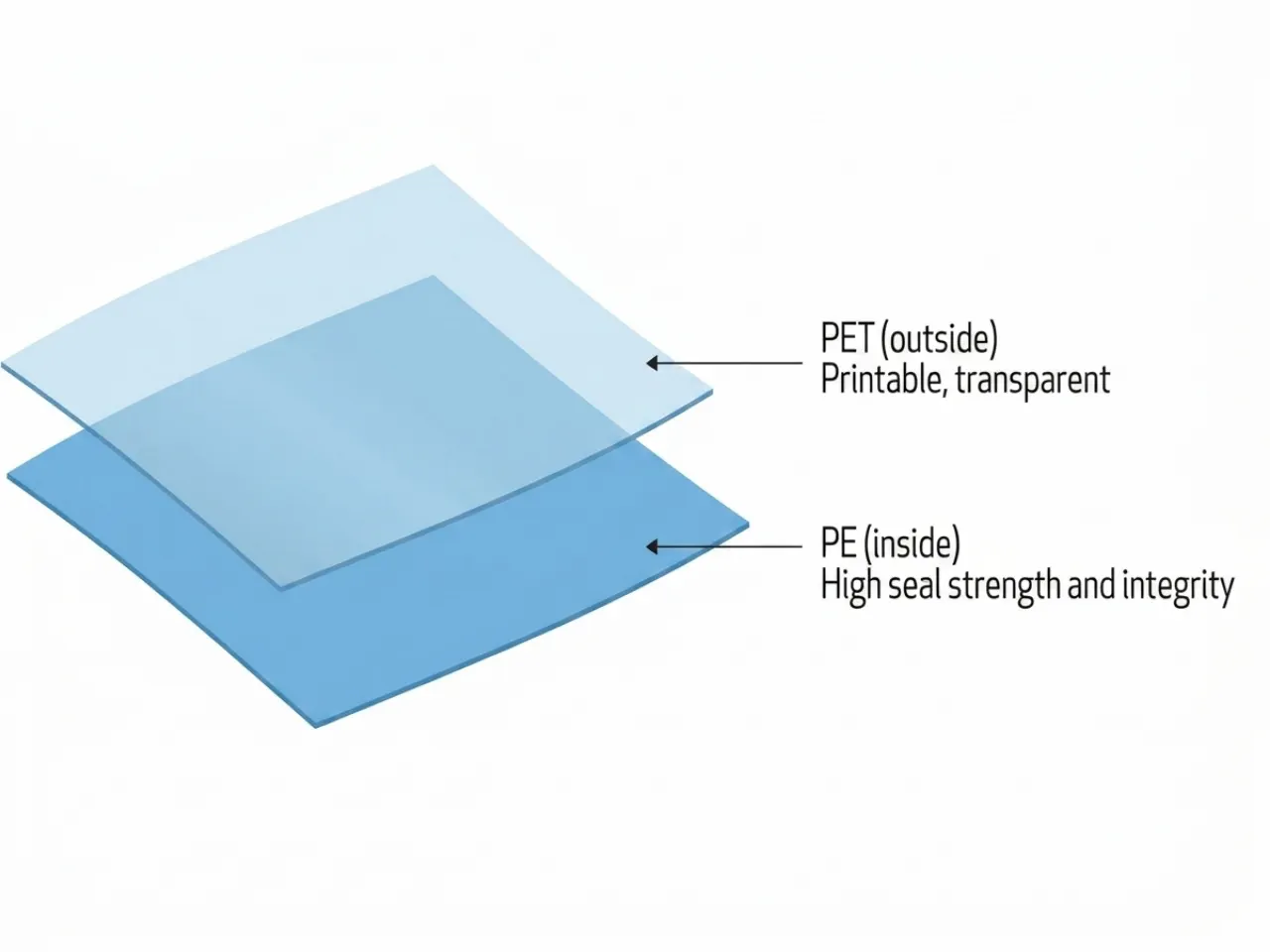
PET/PE Transparent Laminated Roll Film
Structure
- Outer Layer: PET (Polyester)
- Inner Layer: PE (Polyethylene)
Features
PET/PE transparent laminated film is one of the most economical packaging solutions for food products. The PET outer layer provides:
- Good mechanical strength
- Scratch resistance
- Excellent printing quality
- Clear product visibility
The PE inner layer offers:
- Safe food contact
- Reliable heat sealing
- Basic moisture protection
Transparent packaging allows customers to directly view the product, which is especially popular for affordable snack products and bulk tea packaging.
Advantages
- Cost-effective
- Transparent display effect
- Good sealing performance
- Suitable for high-volume packaging
- Lightweight and flexible
Limitations
Its barrier performance is relatively limited compared to higher-end materials. It may not provide sufficient protection under:
- Humid climates
- Long-distance shipping
- Long-term storage conditions
Recommended Applications
Best suited for:
- Budget dried fruits
- Everyday snack products
- Short-term retail circulation
- Bulk tea packaging
Metallized Laminated Roll Film
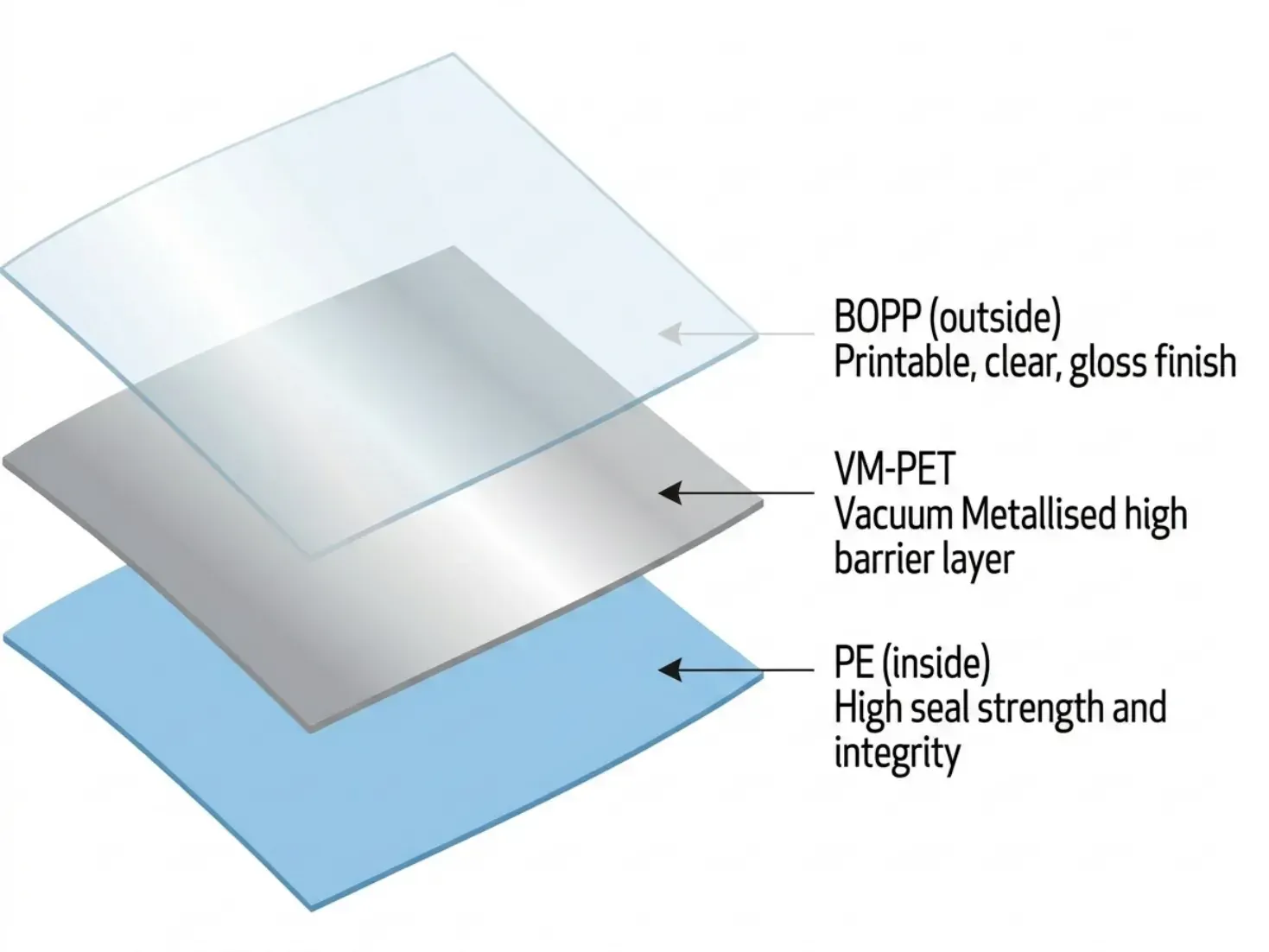
Structure
Usually composed of:
- PET/VMPET/PE
- BOPP/VMPET/CPP
(VMPET refers to vacuum metallized polyester film.)
Features
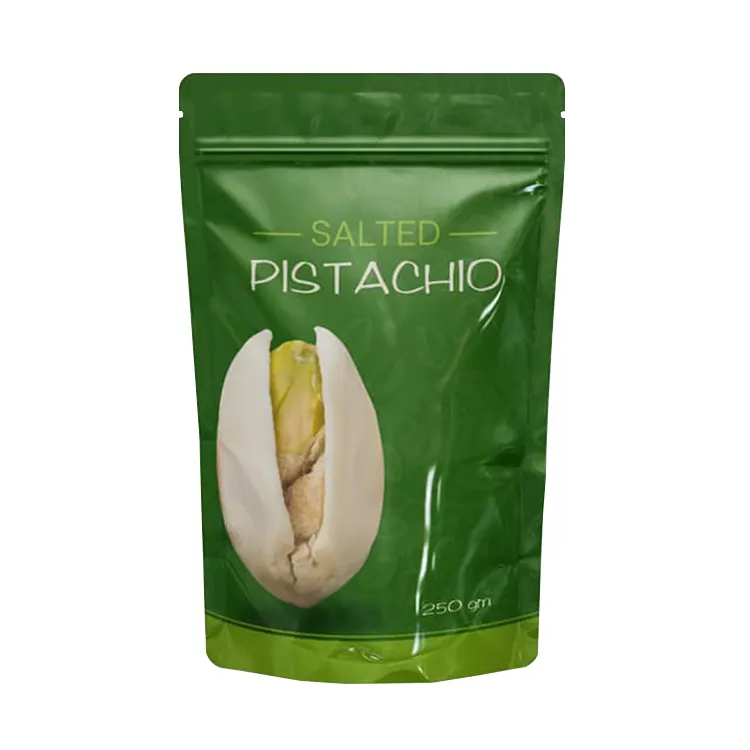
Metallized roll film uses vacuum aluminum coating technology to create a thin metallic barrier layer on the film surface. This significantly improves:
- Moisture resistance
- Oxygen barrier performance
- UV protection
Compared with transparent films, metallized packaging better protects the oils in dried fruits and helps preserve the aroma of tea leaves.
At the same time, the metallic appearance creates a more premium and attractive packaging presentation.
Advantages
- Better moisture and oxygen barrier
- Improved light protection
- Premium metallic appearance
- Balanced cost-performance ratio
- Good printing adaptability
Limitations
The aluminum coating layer may crack if subjected to excessive folding or pressure, potentially reducing barrier performance.
Recommended Applications
Ideal for:
- Mid-range tea packaging
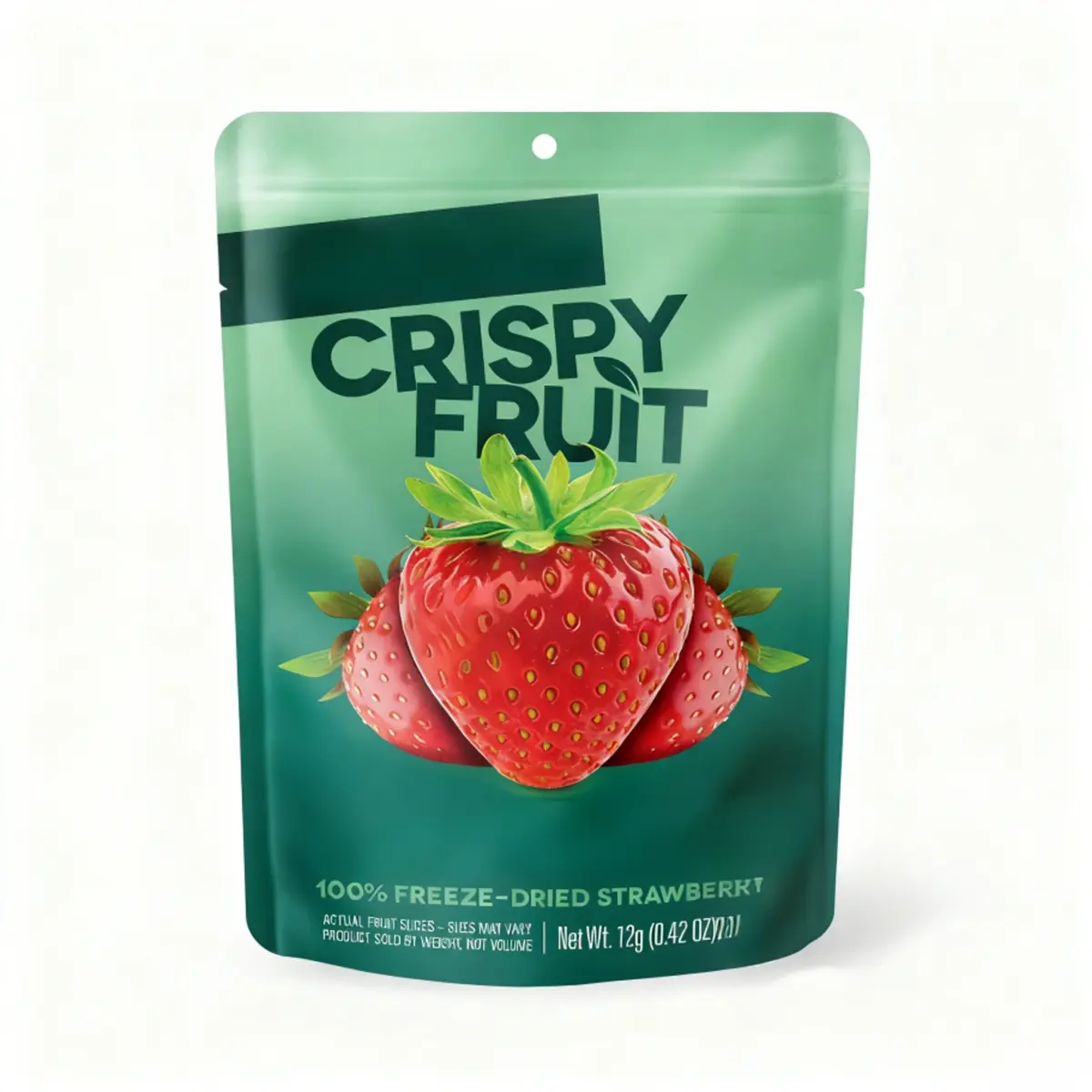
- Premium dried fruits
- Retail pouch packaging
- Products requiring a medium shelf life
Pure Aluminum Foil Laminated Roll Film
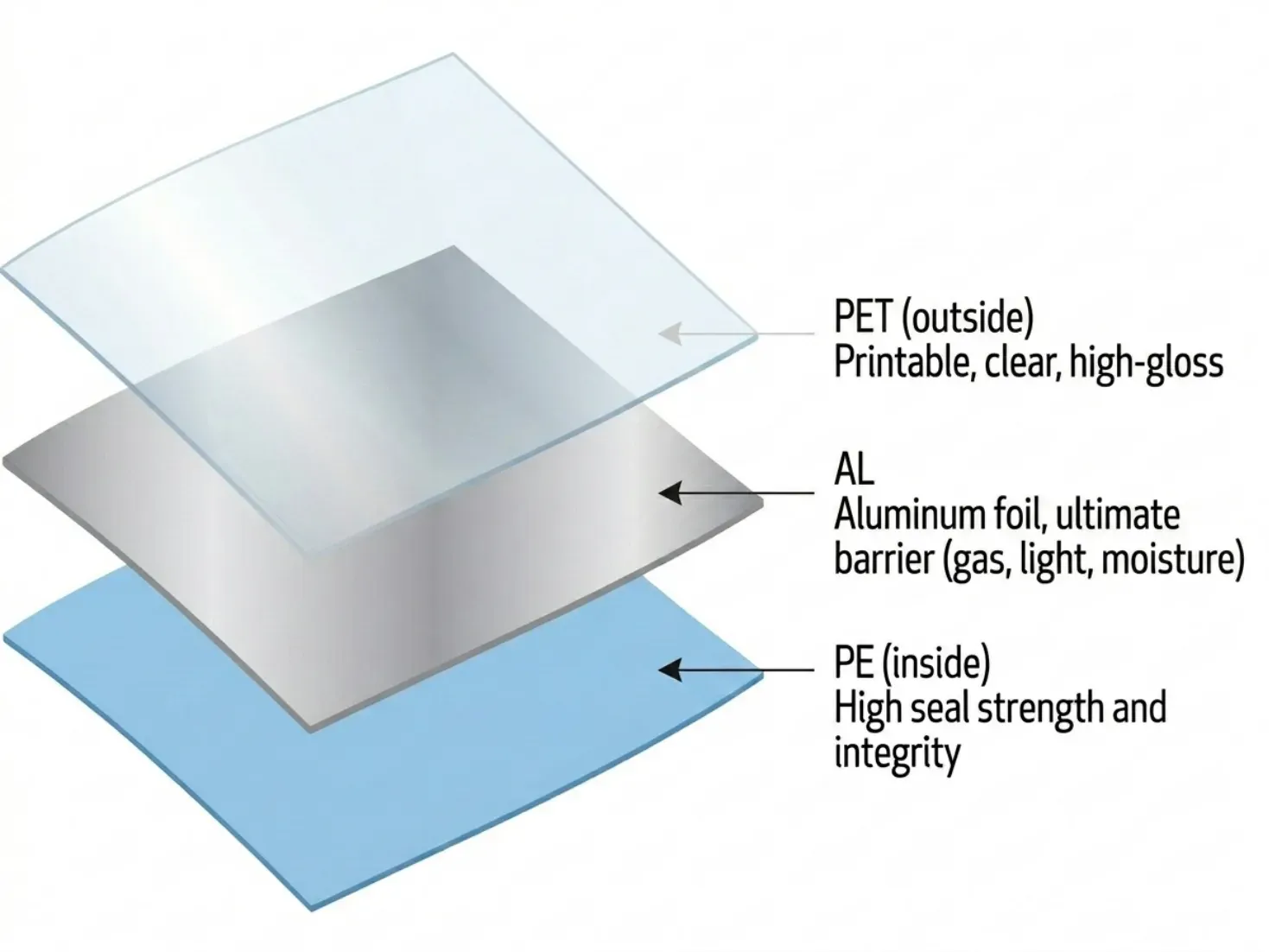
Structure
Typical structures include:
- PET/AL/PE
- PET/AL/NY/PE
(AL represents aluminum foil.)
Features
Pure aluminum foil laminated film provides the highest level of moisture, oxygen, and light protection available in flexible food packaging.
The aluminum foil layer creates an almost complete barrier against:
- Water vapor
- Oxygen
- UV light
- External odors
This material is widely used for high-end food packaging that requires long-term freshness preservation.
Advantages
- Excellent moisture-proof performance
- Superior oxygen barrier
- Complete light protection
- Strong aroma preservation
- Extended shelf life
- Suitable for export and long-distance transportation
Limitations
- Higher material cost
- Non-transparent appearance
- Slightly reduced flexibility
Recommended Applications
Best suited for:
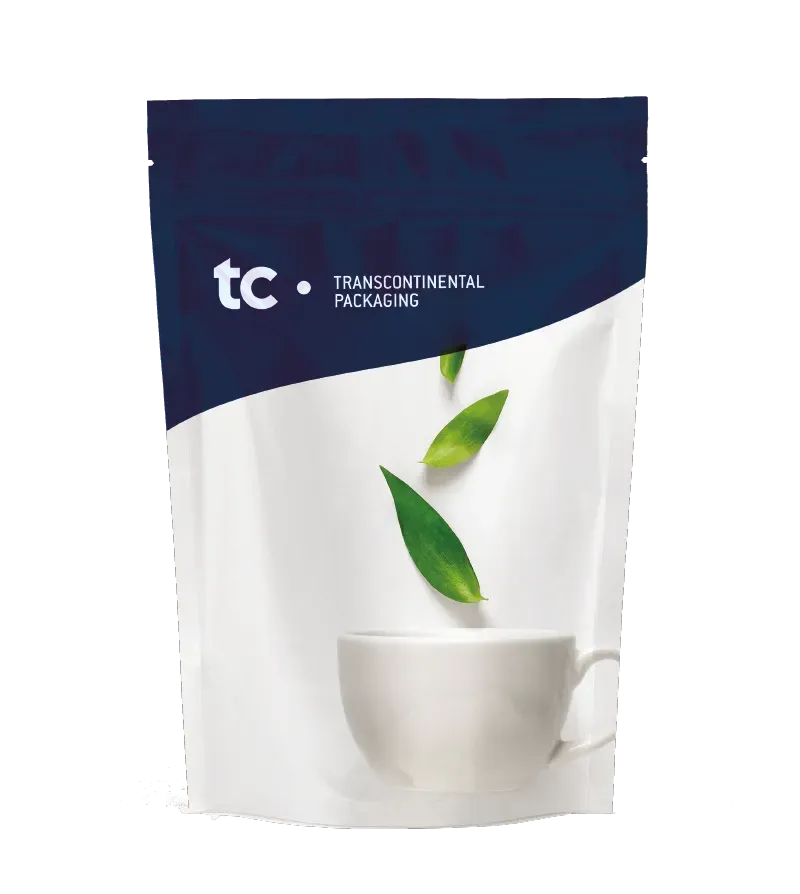
- Premium tea gift boxes
- Specialty teas
- Rare or expensive dried fruits
- Long-term storage products
- Export-grade food packaging
Comparison of Main Moisture-Proof Roll Film Types
| Roll Film Type | Moisture Barrier Level | Main Features | Recommended Applications |
|---|---|---|---|
| PET/PE Transparent Film | Basic | Transparent, economical, moderate barrier | Budget dried fruits, bulk tea, short-term sales |
| Metallized Laminated Film | Medium | Better light and oxygen protection, premium appearance | Mid-range tea and premium snack packaging |
| Pure Aluminum Foil Film | Highest | Full barrier protection, long-term freshness preservation | High-end tea, gift packaging, rare dried fruits |
How to Select the Right Packaging Based on Product Positioning
For Budget Products
If the product focuses on affordability and rapid sales turnover, PET/PE transparent film is usually sufficient. It helps reduce custom flexible food packaging costs while maintaining acceptable freshness protection for short-term circulation.
For Mid-Range Retail Products
Metallized film provides a good balance between protection, appearance, and cost. It is especially suitable for retail shelves where visual appeal and freshness retention are equally important.
For Premium or Long-Term Storage Products
High-end tea and specialty dried fruits deserve stronger barrier protection. Pure aluminum foil laminated film is the preferred choice for custom premium tea and dried fruit packaging, preserving product quality during long-term storage and transportation.
Additional Factors to Consider
Packaging Environment
Products sold in tropical or humid regions require stronger moisture barriers than products sold in dry climates.
Shelf Life Requirements
The longer the expected shelf life, the higher the packaging barrier requirements.
Transportation Conditions
Export products and long-distance shipping may expose packaging to temperature fluctuations and humidity changes.
Packaging Machinery Compatibility
The roll film should also match the performance requirements of automatic packaging machines, including:
- Heat-sealing temperature
- Running speed
- Mechanical strength
- Flexibility
Food Safety Compliance
Always ensure the packaging materials meet food-grade safety standards, such as:
- FDA
- LFGB
- EU food contact regulations
Food safety compliance is critical for protecting consumers and maintaining brand reputation.

Future Trends in Tea and Dried Fruit Packaging
As packaging technology evolves, more brands are seeking materials in custom flexible food packaging that combine:
- High barrier performance
- Sustainability
- Lightweight structures
- Recyclability
- Premium aesthetics
Modern flexible food packaging manufacturers are also developing:
- Eco-friendly barrier films
- Recyclable mono-material structures
- Digital printing solutions
- Customized flexible packaging designs
For brands looking to strengthen market competitiveness, choosing the right packaging partner is becoming increasingly important.
Conclusion
Choosing the right moisture-proof roll film is not simply about selecting the most expensive material. From the perspective of a custom flexible food packaging manufacturer, the ideal packaging solution should balance:
- Product characteristics
- Shelf life requirements
- Brand positioning
- Packaging appearance
- Cost efficiency
For short-term and budget-friendly products, PET/PE transparent laminated film offers a practical and economical solution.
For mid-range products that require better protection and visual appeal, metallized laminated film provides excellent value.
For premium tea and high-end dried fruits requiring long-term freshness preservation, pure aluminum foil laminated film delivers the highest barrier performance.
By selecting food-grade compliant materials and matching the packaging structure to the product’s actual needs, businesses can effectively improve freshness retention, extend shelf life, and maintain consistent product quality throughout storage and transportation.