RU
RU  EN
EN  DE
DE  FR
FR  AR
AR  ES
ES  JA
JA 
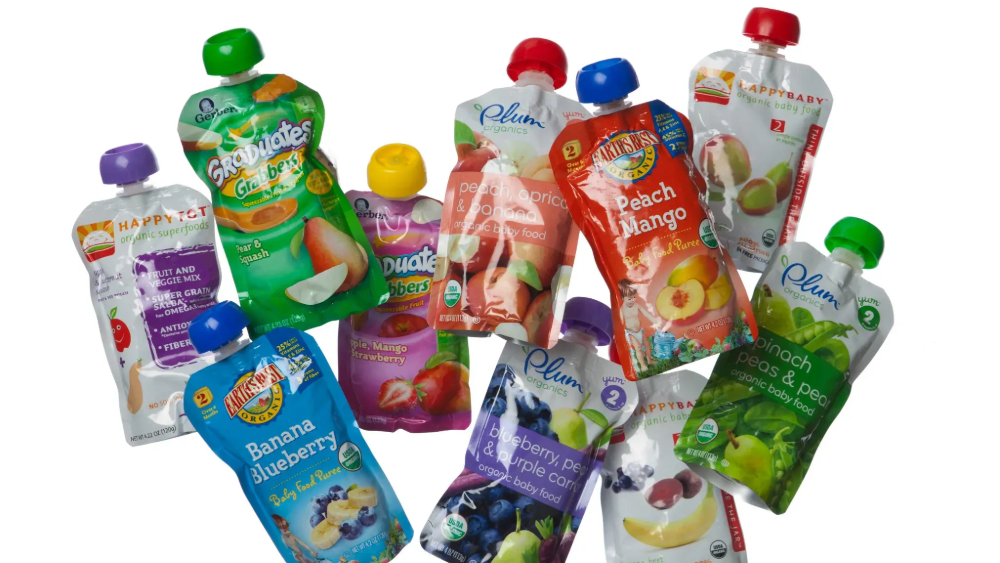
Пакеты с дозатором стали одним из самых популярных видов упаковки для детского питания, включая фруктовые пюре, йогуртовые снеки, питательные пасты и функциональные продукты для младенцев. Их компактность, удобство и возможность повторного закрытия делают их привлекательными как для родителей, так и для производителей.
Однако упаковка детского питания подвергается более строгому контролю, чем упаковка многих других категорий продуктов питания. Младенцы более уязвимы к загрязнениям, миграции химических веществ и дефектам упаковки, поэтому соблюдение норм, касающихся материалов, контактирующих с пищевыми продуктами, является не маркетинговым преимуществом, а крайне важным требованием.
Прежде чем выбрать поставщика пакетиков для детского питания или приступить к разработке нового продукта, производители, импортеры и владельцы брендов должны ознакомиться со стандартами безопасности, регулирующими использование пакетиков с дозатором для детского питания.
Безопасность пакетов с дозатором для детского питания
Что такое пакеты с дозатором?
Пакеты с дозатором — это гибкая упаковка, оснащенная системой дозатора и крышки с возможностью повторного закрытия. Они широко используются для:
- Фруктовые и овощные пюре
- Продукты на основе йогурта
- Закуски для малышей
- Пищевые добавки
- Функциональные детские продукты питания
- Жидкие и полужидкие продукты детского питания
По сравнению с жесткой тарой пакеты с дозатором позволяют снизить транспортные расходы, сократить расход материала и обеспечить большее удобство для персонала, осуществляющего уход.
Основные характеристики безопасности
Безопасный пакет с детским питанием должен обеспечивать:
- Конструкция без содержания БФА
- Материалы, пригодные для контакта с пищевыми продуктами
- Низкая миграционная производительность
- Нетоксичные краски и клеи
- Высокая герметичность
- Надежная работа дозатора и крышки
- Прослеживаемые производственные процессы
Международные нормативные требования к пакетам с дозатором для детского питания
Стандарты FDA в отношении упаковки детского питания
В Соединенных Штатах материалы для упаковки, контактирующие с пищевыми продуктами, должны соответствовать действующим нормам Управления по контролю за качеством пищевых продуктов и медикаментов (FDA), изложенным в 21-м разделе Свода правил и положений (CFR).
К типичным материалам, соответствующим требованиям, относятся:
- Полиэтилен (ПЭ)
- Полипропилен (PP)
- ПЭТ
- EVOH
- Нейлон (PA)
Требования FDA направлены на то, чтобы упаковочные материалы не выделяли вредные вещества в пищевые продукты при нормальных условиях использования.
Импортеры должны запросить:
- Декларации о соответствии материалов
- Отчеты по тестированию миграции
- Технические характеристики сырья
- Документация по качеству поставщика

Регламенты ЕС
Европейский Союз применяет одни из самых всеобъемлющих в мире норм, регулирующих контакт с пищевыми продуктами.
К ключевым нормативным актам относятся:
Регламент (ЕС) № 1935/2004
Данный рамочный регламент предписывает, чтобы материалы, контактирующие с пищевыми продуктами, не выделяли в них веществ в количествах, которые могли бы представлять угрозу для здоровья человека.
Регламент (ЕС) № 10/2011
Настоящий регламент регулирует использование пластиковых материалов, контактирующих с пищевыми продуктами, и устанавливает:
- Разрешенные вещества
- Конкретные миграционные пределы (SML)
- Требования к тестированию
- Обязательства по соблюдению нормативных требований
Декларация о соответствии (DoC)
Многие покупатели упаковки для детского питания требуют предоставления декларации о соответствии, подтверждающей, что материалы соответствуют действующим требованиям ЕС.
Другие международные стандарты
В зависимости от целевого рынка могут действовать дополнительные нормативные требования:
- Китайские стандарты GB для материалов, контактирующих с пищевыми продуктами
- Нормативные требования Великобритании в отношении материалов, контактирующих с пищевыми продуктами
- Требования МЕРКОСУР
- Региональные стандарты тестирования мигрантов
Международные бренды часто ищут упаковочные решения, которые одновременно соответствуют требованиям нескольких систем регулирования.
Распространенные риски для безопасности, связанные с пакетами с дозатором для детского питания
Химическая миграция
Миграция происходит, когда вещества переходят из упаковочных материалов в пищевые продукты.
К потенциальным источникам относятся:
- Добавки для пластмасс
- Остаточные мономеры
- Клеи
- Печатные краски
Поскольку детское питание может длительное время находиться в контакте с упаковкой, крайне важно контролировать миграцию веществ.
Загрязнение материала
Ненадлежащие производственные практики могут привести к загрязнению в результате:
- Сырье
- Производственное оборудование
- Условия хранения
- Компоненты упаковки
Надлежащая проверка поставщиков позволяет значительно снизить эти риски.
Конструктивные повреждения
Безопасность упаковки — это не только соответствие материалов установленным требованиям.
К возможным проблемам относятся:
- Неисправности уплотнений
- Протечка из носика
- Неисправность крышки
- Отслоение
Такие сбои могут поставить под угрозу безопасность пищевых продуктов и их срок хранения.
Вводящие в заблуждение заявления о соответствии требованиям
Такие термины, как «пищевой» или «не содержит БФА», не являются автоматической гарантией полного соответствия нормативным требованиям.
Документация и тестирование по-прежнему играют важнейшую роль.
Методы испытаний и проверки пакетов для детского питания
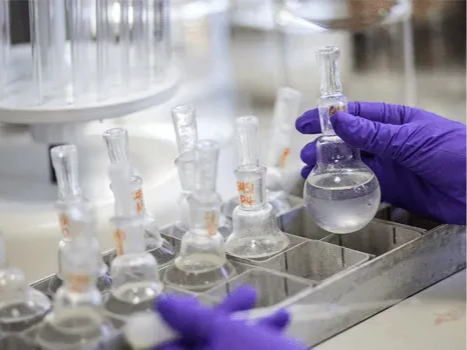
Миграционное тестирование
Тестирование на миграцию позволяет определить, могут ли вещества, входящие в состав упаковки, переходить в пищевые продукты.
Конкретные миграционные пределы (SML)
Эти тесты позволяют определять содержание отдельных веществ, на которые установлены нормативные пределы.
Общие миграционные ограничения (OML)
Эти испытания позволяют определить общее количество вещества, мигрирующего в имитаторы пищевых продуктов.
Оба эти требования, как правило, предъявляются к упаковке детского питания.
Анализ на содержание тяжелых металлов
Тестирование может включать:
- Свинец
- Кадмий
- Ртуть
- Хром
Упаковка детского питания часто подвергается особому контролю на предмет содержания тяжелых металлов.

Прослеживаемость материалов
Системы отслеживания помогают определять:
- Источники сырья
- Производственные партии
- Даты производства
- Документация по контролю качества
Надежная система отслеживания способствует соблюдению нормативных требований и управлению отзывом продукции.
Документация поставщика
Покупателям следует запросить:
- Декларация о соответствии
- Отчеты о миграции
- Технические характеристики материалов
- Регистрационные свидетельства
- Аудиторская документация

Пищевые материалы для пакетиков с детским питанием
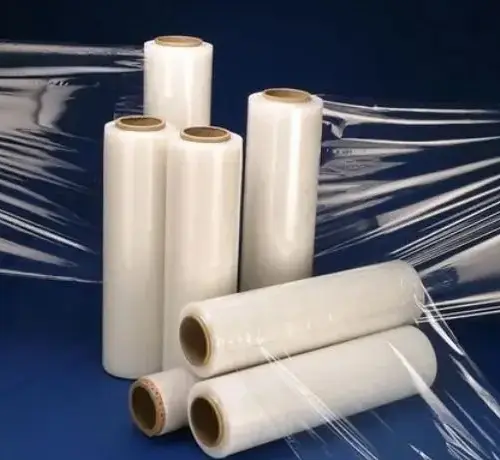
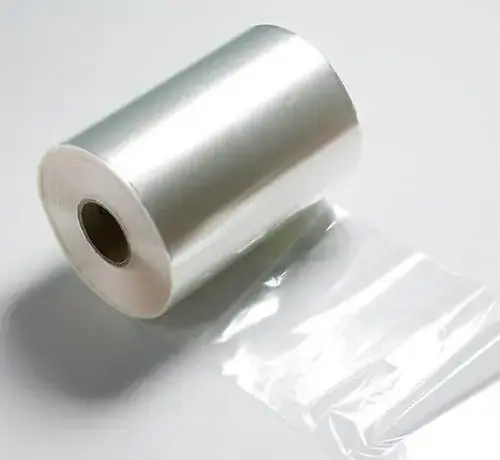
Полиэтилен (PE) и полипропилен (PP)
ПЭ и ПП относятся к числу наиболее широко используемых материалов, предназначенных для контакта с пищевыми продуктами.
Преимущества включают:
- Хорошая химическая стойкость
- Отличная герметичность
- Варианты без БФА
- Экономическая эффективность
Эти материалы обычно используются в качестве внутреннего слоя, контактирующего с пищевыми продуктами.
Барьерные слои из EVOH
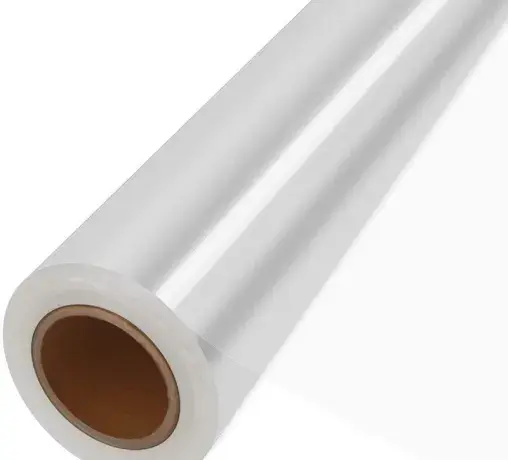
EVOH обладает исключительными кислородно-барьерными свойствами.
Преимущества включают:
- Защита от окисления
- Увеличенный срок хранения
- Сохранение витаминов и питательных веществ
EVOH часто используется в составе многослойных пакетов для детского питания.
Клеи и краски
Несмотря на то что клеи и краски не вступают в прямой контакт с пищевыми продуктами, они по-прежнему подлежат нормативной оценке.
Производители должны обеспечить:
- Составы с низкой миграцией
- Соответствующие процессы отверждения
- Соблюдение нормативных требований
Это одна из причин, по которой опытные производитель пакетиков с детским питанием Партнеры вкладывают значительные средства в проверку соответствия материалов и аудит поставщиков.
Нормативные требования к различным видам детского питания
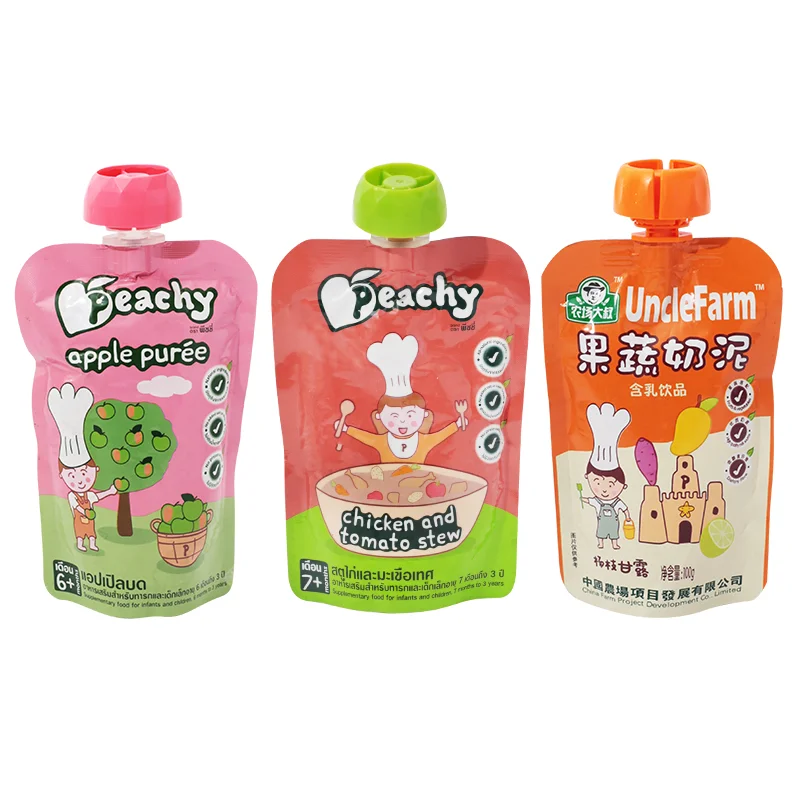
Фруктовые и овощные пюре
Фруктовые и овощные пюре часто являются кислыми продуктами.
Упаковка для этих целей должна учитывать следующие требования:
- Испытания с использованием симулятора кислой пищи
- Требования к кислородному барьеру
- Сохранение витаминов
- Сохранение цвета
К распространенным типам упаковочных материалов относятся ламинаты с высокими барьерными свойствами, в которых используются EVOH или алюминиевая фольга.
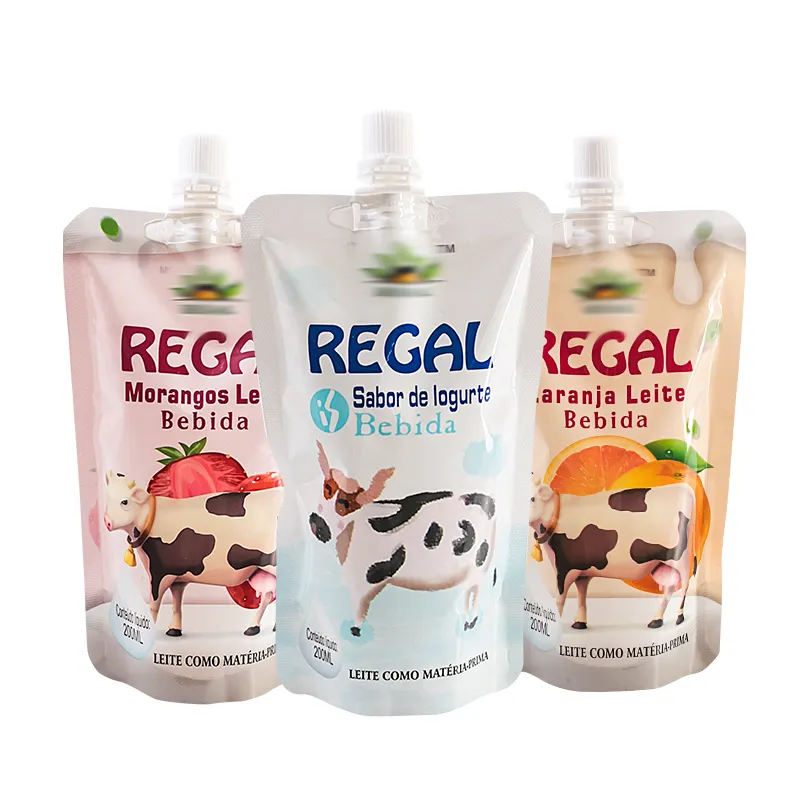
Детское питание на молочной основе и йогурты в пакетиках
Молочные продукты требуют особого внимания, поскольку жиры могут по-разному взаимодействовать с упаковочными материалами.
К важным требованиям относятся:
- Испытания на миграцию из жирных продуктов
- Защита от света
- Характеристики кислородного барьера
- Проверка срока годности
Для этих продуктов зачастую требуется более полный пакет документации по соответствию требованиям.
Питательные пасты и функциональные продукты детского питания
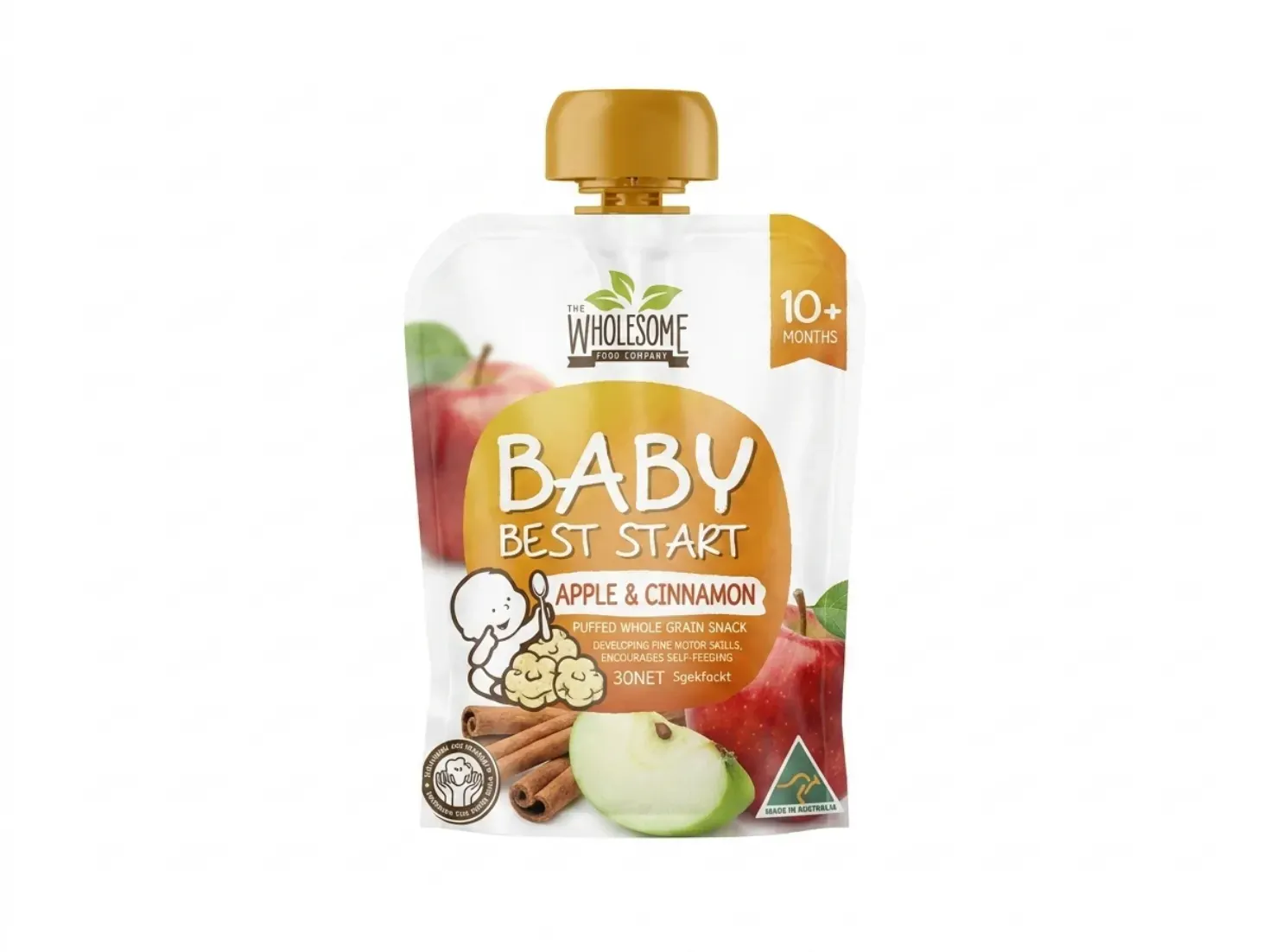
Продукты, обогащенные витаминами, минералами, пробиотиками или специальными питательными веществами, создают особые сложности при упаковке.
К требованиям часто относятся:
- Конструкции с высоким барьером
- Долгосрочные испытания на миграцию
- Улучшенная защита питательных веществ
- Проверка стабильности
Многие бренды, занимающиеся разработкой продуктов детского питания, сотрудничают с производитель индивидуальных пакетиков для детского питания для оптимизации как соответствия нормативным требованиям, так и срока хранения.
Закуски для малышей и полужидкая пища
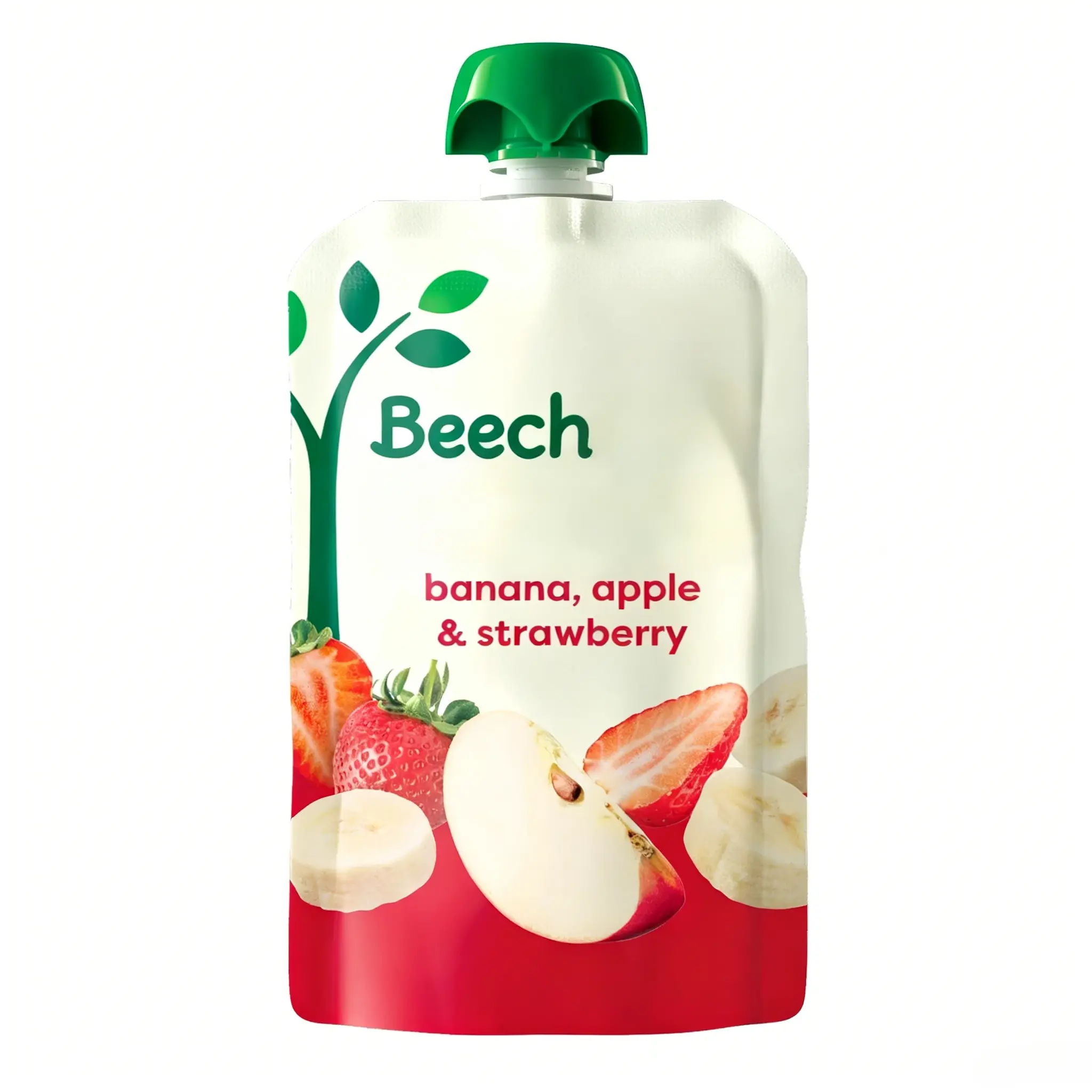
Такие товары, как:
- Яблочное пюре
- Смеси из овсяных хлопьев
- Снеки из смеси фруктов
- Продукты для приготовления смузи
требуют уделения внимания как упаковочным материалам, так и безопасности при дозировании.
Кроме того, следует учитывать следующее:
- Крышки с защитой от несанкционированного вскрытия
- Безопасность излива
- Функции, снижающие риск удушья
- Транспортная долговечность
Органические и премиальные продукты детского питания
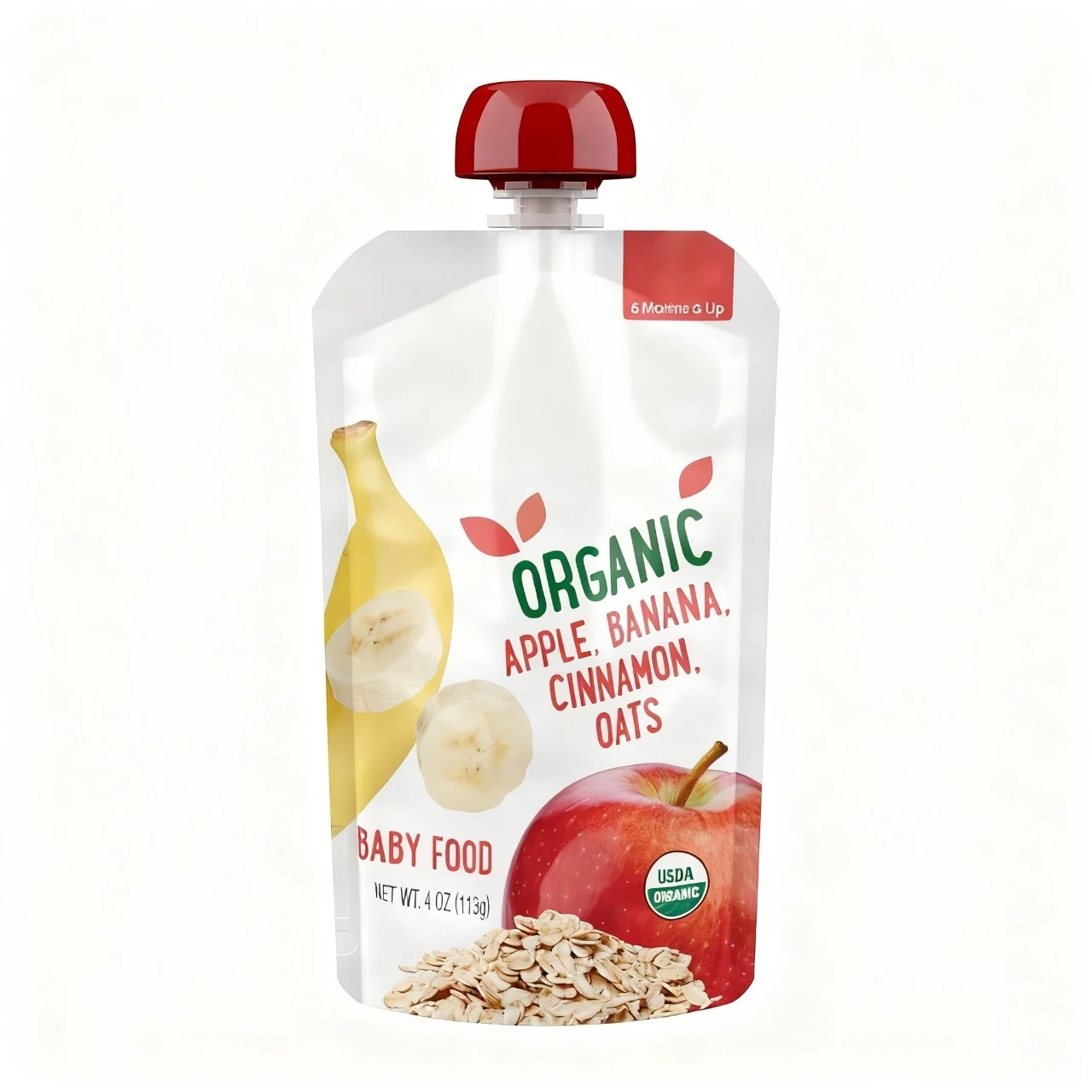
Бренды органической продукции зачастую предъявляют требования, выходящие за рамки минимальных нормативных требований.
К ним могут относиться:
- Материалы, не содержащие БФА
- Материалы, не содержащие фталатов
- Сертификаты в области устойчивого развития
- Улучшенная прослеживаемость
Прозрачность упаковки становится всё более важным фактором при выборе продуктов на рынках детского питания премиум-класса.
Выбор поставщика пакетов с дозатором для детского питания: обеспечение соответствия требованиям
Вопросы, которые следует задать поставщику
Перед размещением заказа покупателям следует задать следующие вопросы:
- Можете ли вы предоставить отчеты о тестировании миграции?
- Выдаете ли вы сертификат соответствия?
- Какие сертификаты у вас есть?
- Как организована система отслеживания?
- Какие стандарты в отношении материалов, контактирующих с пищевыми продуктами, поддерживаются?
Оценка производственных практик
Надежный поставщик должен продемонстрировать:
- Производство в соответствии с требованиями GMP
- Контроль поступающих материалов
- Управление технологическими процессами
- Отслеживаемость партий
- Постоянный контроль качества
Эти системы помогают обеспечить постоянное соблюдение требований при производстве больших объемов продукции.
Сотрудничество с опытными поставщиками
Выбор опытного поставщик пакетиков с детским питанием может упростить управление соблюдением нормативных требований.
Идеальный партнер должен предлагать:
- Экспертиза в области регулирования
- Техническая поддержка в области упаковки
- Индивидуальные решения по схемам OEM/ODM
- Международный опыт в сфере экспорта
- Полная поддержка в оформлении документов
Для развивающихся брендов квалифицированный оптовый поставщик детского питания в пакетиках может способствовать ускорению выхода на рынок и одновременно снизить риски, связанные с соблюдением нормативных требований.
Заключение
Стандарты безопасности для пакетиков с дозатором для детского питания выходят далеко за рамки простого выбора материала, пригодного для контакта с пищевыми продуктами. Для обеспечения соответствия требованиям необходимо уделять пристальное внимание выбору материалов, испытаниям на миграцию, отслеживаемости, контролю производственного процесса и нормативной документации.
Независимо от того, идет ли речь об упаковке фруктовых пюре, молочных снеков, питательных паст или органических продуктов премиум-класса, бренды должны обеспечить соответствие своей упаковки требованиям целевых рынков.
Сотрудничая с опытной производитель индивидуальных пакетиков для детского питания, импортеры и владельцы брендов могут получить соответствующие требованиям высококачественные упаковочные решения, подкрепленные надежным контролем качества, возможностями по разработке OEM/ODM и экспертизой в области глобального регулирования.
О компании GQ PACK — вашем надежном производителе пакетов с дозатором

GQ PACK — это компания с многолетним опытом производитель гибкой упаковки для пищевых продуктов специализирующийся на оптовая продажа пакетов с дозатором и индивидуальные решения в области упаковки для предприятий пищевой промышленности, производства напитков, детского питания и потребительских товаров по всему миру. Благодаря крупномасштабным производственным мощностям, современному производственному оборудованию и строгим системам контроля качества мы предлагаем упаковку напрямую с завода, отличающуюся стабильным качеством, надежностью и конкурентоспособными ценами.
Мы стремимся к успеху наших клиентов, предлагая оперативное обслуживание, техническую поддержку и гибкие Индивидуальная разработка пакетов с дозатором по схеме OEM/ODM, включая конструкцию пакетов, размеры, материалы, печать и конфигурации дозаторов. Наша команда сопровождает B2B-клиентов на всех этапах: от разработки продукта до обеспечения соответствия нормативным требованиям, производства и доставки по всему миру. Нам доверяют импортеры, дистрибьюторы, владельцы брендов и производители продуктов питания. Мы помогаем компаниям создавать безопасные, эффективные и готовые к выходу на рынок упаковочные решения, опираясь на стабильные поставки, знание нормативных требований и долгосрочную партнерскую поддержку.
Часто задаваемые вопросы
Каковы основные стандарты безопасности для пакетиков с дозатором для детского питания?
К наиболее важным стандартам относятся требования к безопасности материалов, контактирующих с пищевыми продуктами, испытания на миграцию, контроль содержания тяжелых металлов, отслеживаемость и системы обеспечения качества производства.
Все ли пищевые материалы безопасны для младенцев?
Не обязательно. Материалы также должны соответствовать действующим нормам по контакту с пищевыми продуктами и предельным значениям миграции для предполагаемого применения.
Какие документы должны предоставить поставщики?
К типичным документам относятся декларации о соответствии, протоколы испытаний на миграцию, спецификации материалов и сертификационные документы.
Как я могу убедиться в соответствии требованиям производителя пакетов с дозатором?
Запросите документацию по соответствию требованиям, отчеты о проверках, данные испытаний, а также информацию о системах управления качеством и процедурах отслеживания.
Могут ли краски и клеи повлиять на безопасность детского питания?
Да. Несоответствующие требованиям чернила и клеи могут создавать риск миграции и должны проходить тщательную оценку.
Какие международные нормы применяются к упаковке детского питания?
В зависимости от рынка упаковка может подлежать требованиям FDA, нормам ЕС по материалам, контактирующим с пищевыми продуктами, китайским стандартам GB, требованиям Великобритании и другим региональным нормам.