ES
ES  EN
EN  DE
DE  FR
FR  RU
RU  AR
AR  JA
JA 
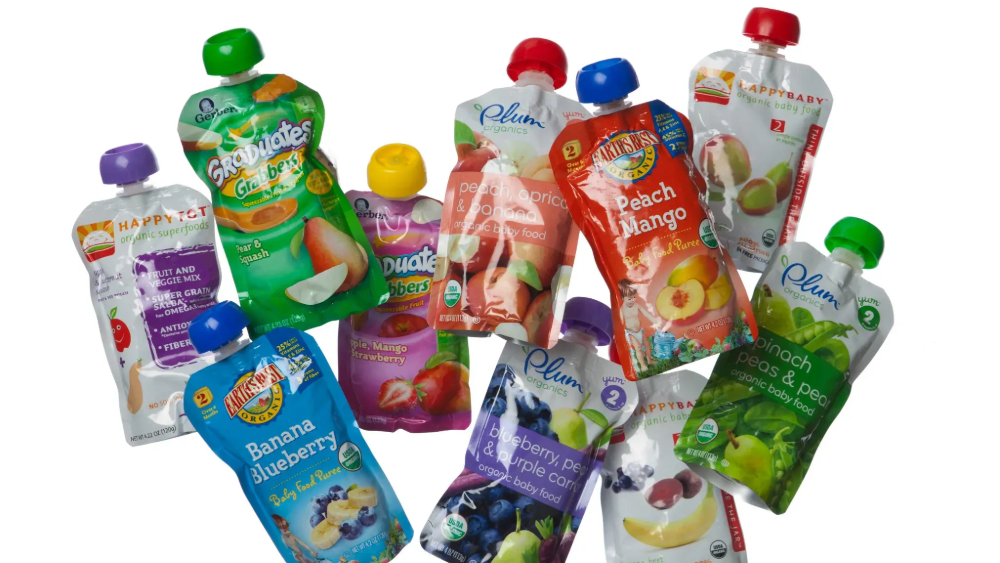
Las bolsitas con boquilla se han convertido en uno de los formatos de envase más populares para los productos de alimentación infantil, como los purés de fruta, los yogures de merienda, las pastas nutricionales y los alimentos funcionales para bebés. Su facilidad de transporte, su comodidad y la posibilidad de volver a cerrarlas las hacen muy atractivas tanto para los padres como para las marcas.
Sin embargo, los envases de alimentos para bebés están sujetos a un control más estricto que muchos otros tipos de alimentos. Los bebés son más vulnerables a los contaminantes, a la migración de sustancias químicas y a los fallos en los envases, por lo que el cumplimiento de la normativa sobre materiales en contacto con alimentos es un requisito fundamental, más que una ventaja comercial.
Antes de elegir un proveedor de envases para alimentos infantiles o de desarrollar un nuevo producto, los fabricantes, importadores y propietarios de marcas deben conocer las normas de seguridad que rigen el envasado de los envases con boquilla para alimentos infantiles.
Información sobre la seguridad de las bolsas con boquilla para alimentos infantiles
¿Qué son las bolsas con boquilla?
Las bolsas con boquilla son soluciones de envasado flexible equipadas con un sistema de boquilla y tapón resellable. Se utilizan ampliamente para:
- Puré de frutas y verduras
- Productos de yogur
- Aperitivos para bebés
- Suplementos nutricionales
- Alimentos funcionales para bebés
- Alimentación infantil líquida y semilíquida
En comparación con los envases rígidos, las bolsas con boquilla ofrecen menores costes de transporte, un menor consumo de material y una mayor comodidad para los cuidadores.
Propiedades clave de seguridad
Una bolsita de comida para bebés segura debe cumplir los siguientes requisitos:
- Fabricado sin BPA
- Materiales aptos para el contacto con alimentos
- Bajo rendimiento en materia de migración
- Tintas y adhesivos no tóxicos
- Alta integridad del sellado
- Funcionamiento fiable del pico y la tapa
- Procesos de fabricación trazables
Requisitos normativos internacionales para las bolsitas con boquilla para alimentos infantiles
Normas de la FDA para el envasado de alimentos para bebés
En Estados Unidos, los materiales de envasado destinados al contacto con alimentos deben cumplir la normativa aplicable de la FDA recogida en el Título 21 del Código de Regulaciones Federales (CFR).
Entre los materiales que suelen cumplir los requisitos se incluyen:
- Polietileno (PE)
- Polipropileno (PP)
- PET
- EVOH
- Nylon (PA)
El cumplimiento de las normas de la FDA se centra en garantizar que los materiales de envasado no transfieran sustancias nocivas a los alimentos en las condiciones de uso previstas.
Los importadores deben solicitar:
- Declaraciones de conformidad de los materiales
- Informes de pruebas de migración
- Especificaciones de las materias primas
- Documentación sobre la calidad de los proveedores

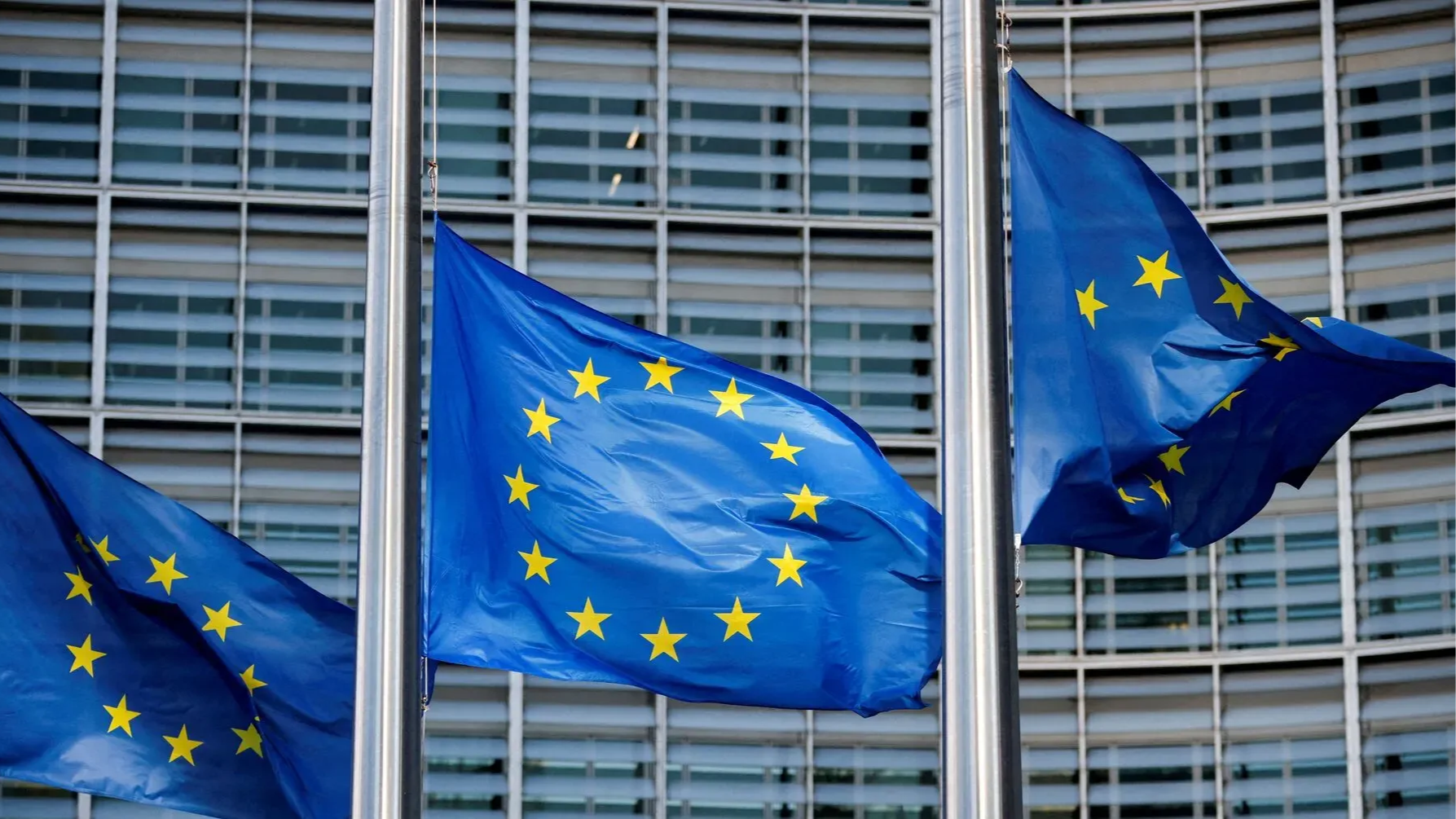
Normativa de la UE
La Unión Europea aplica una de las normativas más exhaustivas del mundo en materia de productos destinados a entrar en contacto con alimentos.
Entre las principales normas se incluyen:
Reglamento (CE) n.º 1935/2004
Este reglamento marco exige que los materiales en contacto con los alimentos no transfieran sustancias a estos en cantidades que puedan poner en peligro la salud humana.
Reglamento (UE) n.º 10/2011
Este reglamento regula los materiales plásticos destinados a entrar en contacto con alimentos y establece:
- Sustancias autorizadas
- Límites específicos de migración (SML)
- Requisitos de ensayo
- Obligaciones de cumplimiento
Declaración de conformidad (DoC)
Muchos compradores de envases para alimentos infantiles exigen una declaración de conformidad que confirme que los materiales cumplen los requisitos de la UE aplicables.
Otras normas internacionales
En función del mercado de destino, pueden aplicarse normativas adicionales:
- Normas chinas GB sobre productos destinados a entrar en contacto con alimentos
- Normativa británica sobre productos destinados a entrar en contacto con alimentos
- Requisitos del MERCOSUR
- Normas regionales sobre pruebas de migración
Las marcas internacionales suelen buscar soluciones de envasado que cumplan con múltiples normativas al mismo tiempo.
Riesgos comunes para la seguridad en las bolsitas con boquilla para alimentos infantiles
Migración química
La migración se produce cuando las sustancias pasan de los materiales de envasado a los alimentos.
Entre las posibles fuentes se incluyen:
- Aditivos para plásticos
- Monómeros residuales
- Adhesivos
- Tintas de impresión
Dado que los productos de alimentación infantil pueden permanecer en contacto con el envase durante largos periodos de tiempo, es fundamental controlar la migración.
Contaminación de materiales
Las prácticas de fabricación inadecuadas pueden provocar contaminación a través de:
- Materias primas
- Equipos de producción
- Condiciones de almacenamiento
- Componentes de embalaje
Una selección adecuada de los proveedores reduce considerablemente estos riesgos.
Fallos estructurales
La seguridad del embalaje no se limita al cumplimiento de las normas sobre los materiales.
Entre los posibles problemas se incluyen:
- Fallos en las juntas
- Fuga en el pico
- Fallos en el tapón
- Deslaminación
Estos fallos pueden poner en peligro la seguridad alimentaria y la vida útil de los productos.
Afirmaciones engañosas sobre el cumplimiento normativo
Términos como «apto para uso alimentario» o «sin BPA» no garantizan automáticamente el pleno cumplimiento de la normativa.
La documentación y las pruebas siguen siendo fundamentales.
Métodos de ensayo y verificación de las bolsas para alimentos infantiles
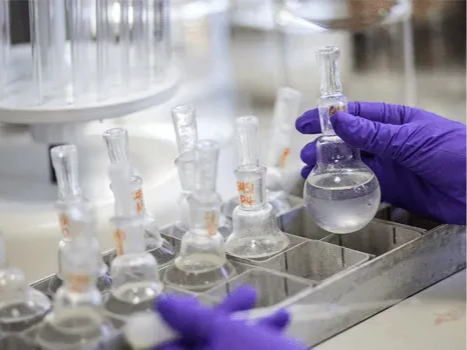
Pruebas de migración
Los ensayos de migración evalúan si las sustancias presentes en los envases pueden pasar a los alimentos.
Límites específicos de migración (SML)
Estos análisis miden sustancias concretas con límites reglamentarios.
Límites generales de migración (OML)
Estas pruebas evalúan la cantidad total de sustancia que migra a los simulantes alimentarios.
Ambos son requisitos habituales para el cumplimiento de la normativa sobre envases de alimentos para bebés.
Análisis de metales pesados
Las pruebas pueden incluir:
- Plomo
- Cadmio
- Mercurio
- Cromo
Los envases de alimentos para bebés suelen ser objeto de un mayor escrutinio en lo que respecta a la exposición a metales pesados.

Trazabilidad de los materiales
Los sistemas de trazabilidad ayudan a identificar:
- Fuentes de materias primas
- Lotes de producción
- Fechas de fabricación
- Registros de control de calidad
Una trazabilidad sólida facilita el cumplimiento normativo y la gestión de retiradas de productos.
Documentación del proveedor
Los compradores deben solicitar:
- Declaración de conformidad
- Informes sobre migración
- Especificaciones de los materiales
- Certificados reglamentarios
- Registros de auditoría

Materiales aptos para uso alimentario para bolsitas de comida para bebés
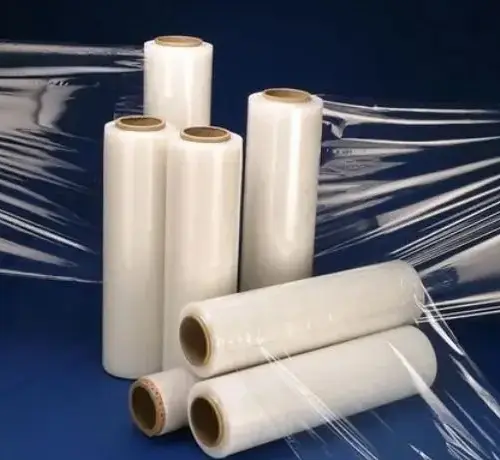
Polietileno (PE) y polipropileno (PP)
El PE y el PP se encuentran entre los materiales más utilizados en contacto con alimentos.
Las ventajas incluyen:
- Buena resistencia química
- Excelente rendimiento de sellado
- Opciones sin BPA
- Rentabilidad
Estos materiales se utilizan habitualmente en la capa interior en contacto con los alimentos.
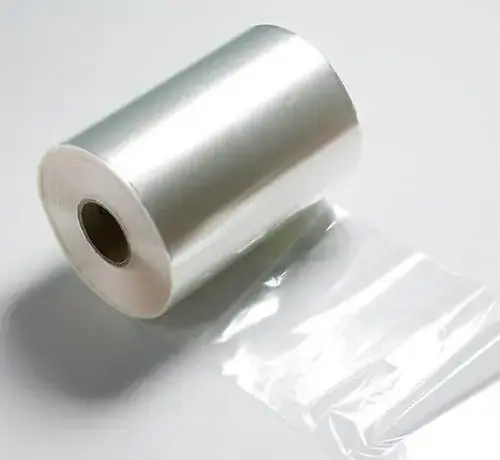
Capas de barrera de EVOH
El EVOH ofrece un rendimiento excepcional como barrera contra el oxígeno.
Los beneficios incluyen:
- Protección contra la oxidación
- Vida útil prolongada
- Conservación de vitaminas y nutrientes
El EVOH se incorpora con frecuencia en las estructuras multicapa de las bolsitas de comida para bebés.
Adhesivos y tintas
Aunque los adhesivos y las tintas no entren en contacto directo con los alimentos, siguen estando sujetos a evaluación reglamentaria.
Los fabricantes deben garantizar:
- Formulaciones de baja migración
- Procesos de curado adecuados
- Cumplimiento de la normativa
Esta es una de las razones por las que los expertos fabricante de bolsitas de comida para bebés Nuestros socios realizan importantes inversiones en la homologación de materiales y en las auditorías de proveedores.
Requisitos normativos para diferentes aplicaciones de alimentos infantiles
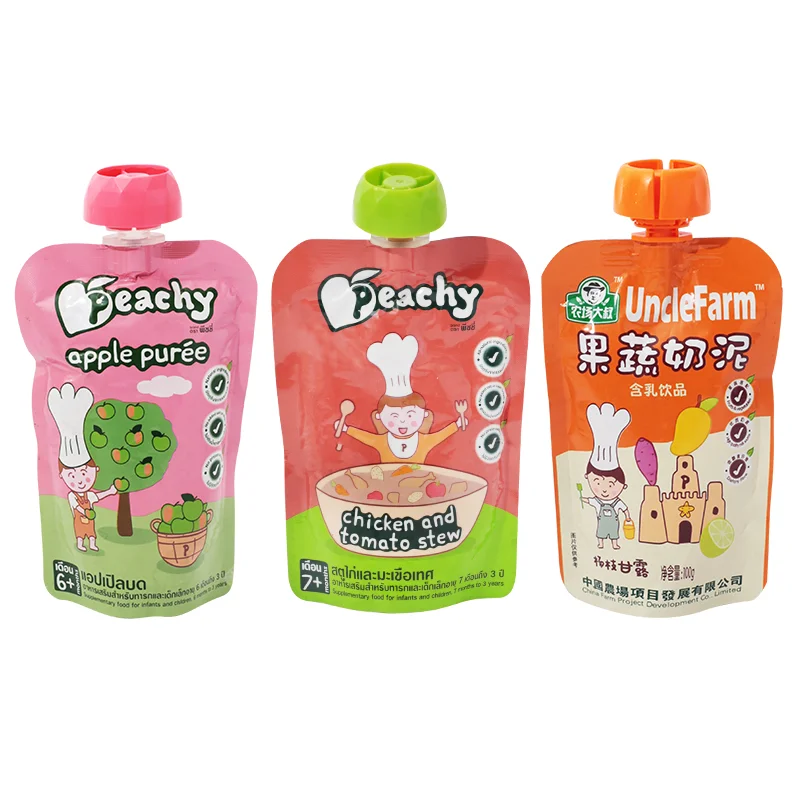
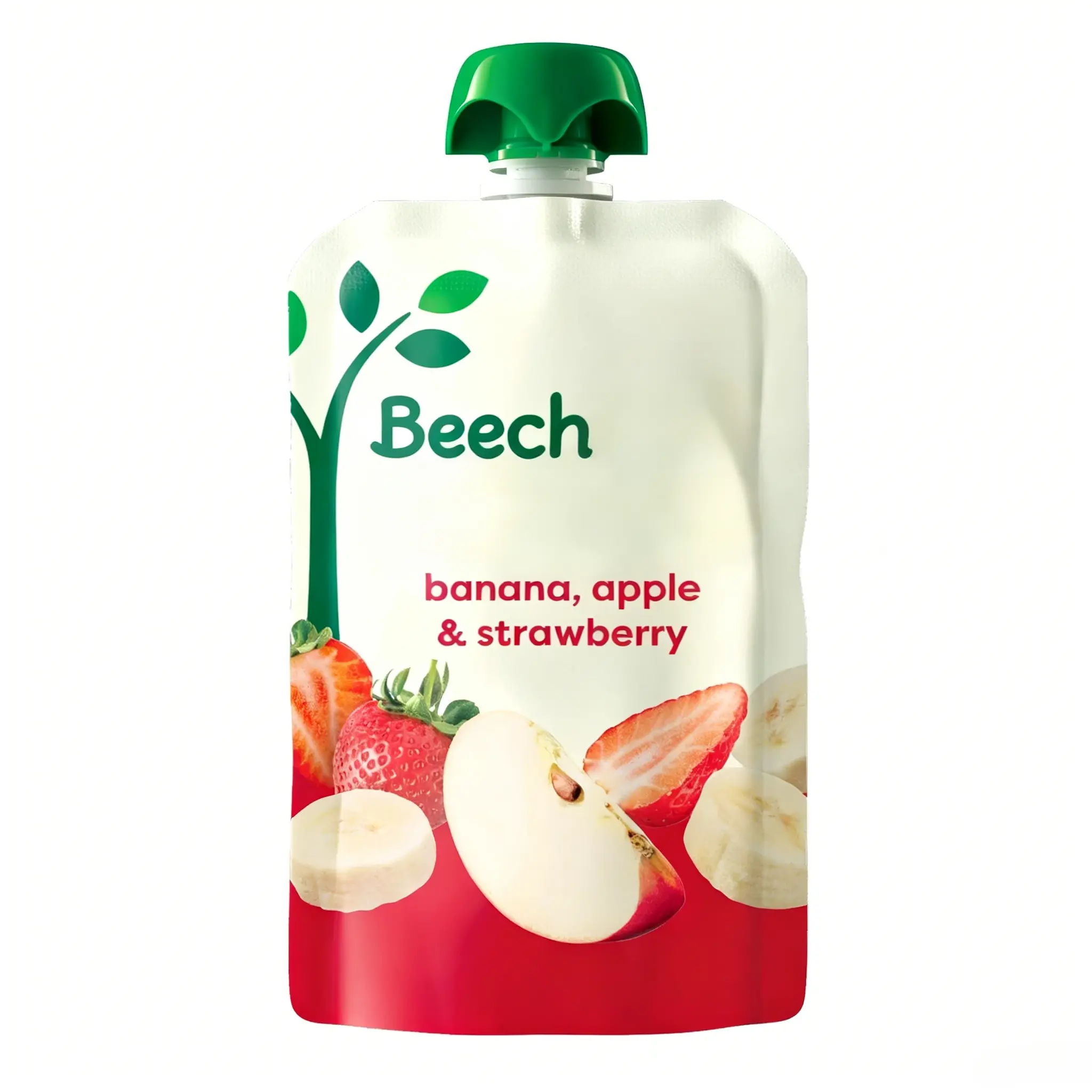
Puré de frutas y puré de verduras
Los purés de frutas y verduras suelen ser productos ácidos.
El embalaje para estas aplicaciones debe tener en cuenta:
- Ensayos con simulantes de alimentos ácidos
- Requisitos relativos a la barrera contra el oxígeno
- Retención de vitaminas
- Conservación del color
Entre los materiales de envasado más habituales se encuentran los laminados de alta barrera que utilizan EVOH o papel de aluminio.
Alimentos infantiles a base de leche y yogures en bolsitas
Los productos lácteos requieren una atención especial, ya que las grasas pueden interactuar de forma diferente con los materiales de envasado.
Entre los requisitos importantes se incluyen:
- Pruebas de migración en alimentos grasos
- Protección contra la luz
- Rendimiento de la barrera al oxígeno
- Validación del plazo de conservación
Estos productos suelen requerir una documentación de conformidad más exhaustiva.
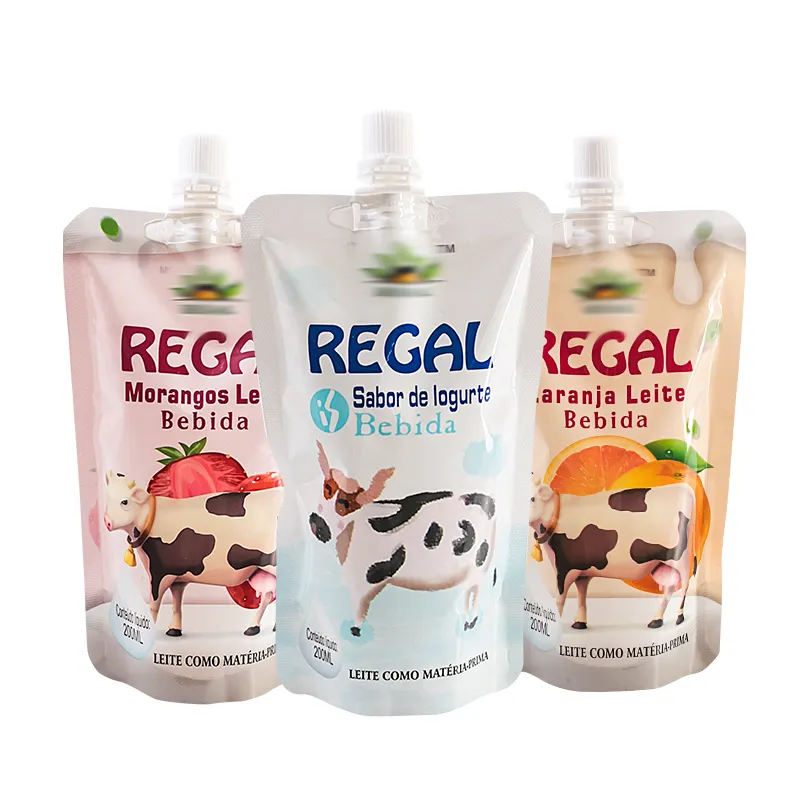
Pastas nutricionales y alimentos funcionales para bebés
Los productos enriquecidos con vitaminas, minerales, probióticos o nutrientes específicos plantean retos específicos en cuanto al envasado.
Entre los requisitos suelen figurar:
- Estructuras de alta barrera
- Pruebas de migración a largo plazo
- Mayor protección de los nutrientes
- Verificación de la estabilidad
Muchas marcas que desarrollan productos de nutrición infantil trabajan con un Fabricante de bolsitas de comida para bebés personalizadas para optimizar tanto el cumplimiento normativo como la vida útil.
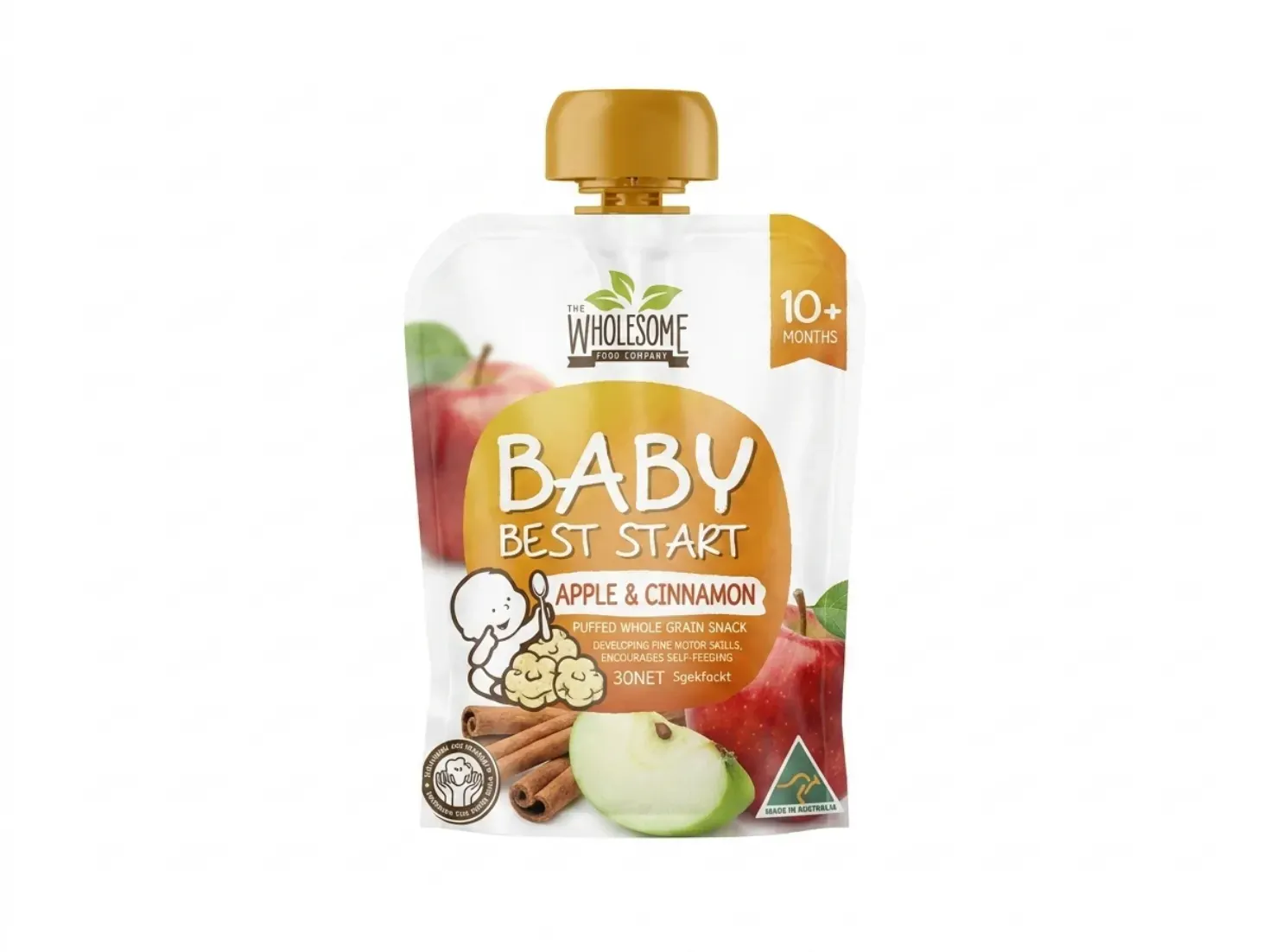
Aperitivos para bebés y alimentos semisólidos
Productos como:
- Puré de manzana
- Mezclas de avena
- Snacks de frutas variadas
- Productos para batidos
requieren prestar atención tanto a los materiales de embalaje como a la seguridad en la dispensación.
Otras consideraciones son:
- Cierres a prueba de manipulaciones
- Seguridad del pico
- Características para reducir el riesgo de asfixia
- Durabilidad del transporte
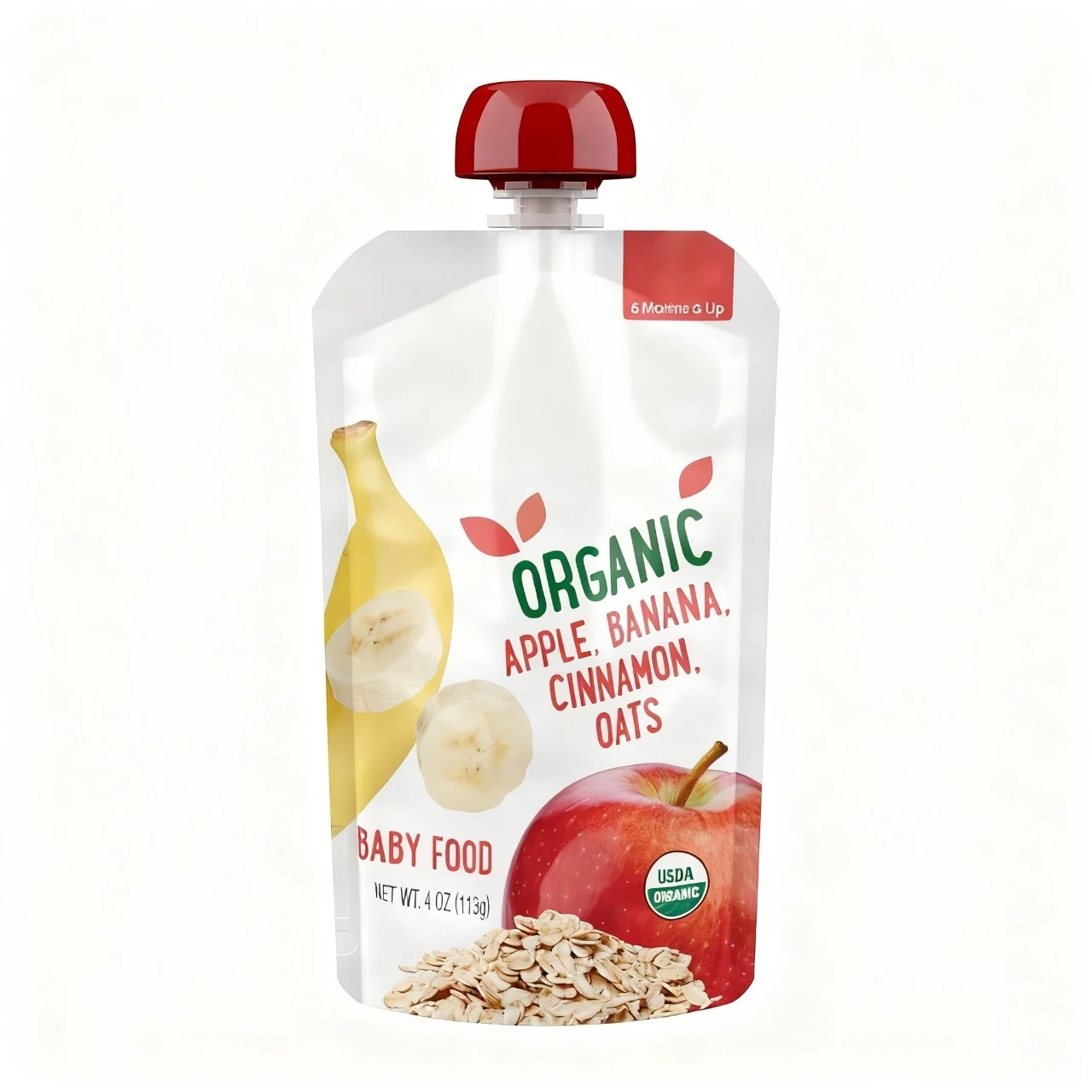
Productos alimenticios ecológicos y de primera calidad para bebés
Las marcas ecológicas suelen imponer requisitos que van más allá de los mínimos reglamentarios.
Entre ellos pueden figurar:
- Materiales sin BPA
- Materiales sin ftalatos
- Certificaciones de sostenibilidad
- Mayor trazabilidad
La transparencia del envase se ha convertido en un factor de compra cada vez más importante en los mercados de alimentos infantiles de alta gama.
Selección de proveedores de bolsas con boquilla para alimentos infantiles: garantía del cumplimiento normativo
Preguntas que hay que hacer a un proveedor
Antes de realizar un pedido, los compradores deben preguntarse:
- ¿Pueden facilitar informes de pruebas de migración?
- ¿Emitís una declaración de conformidad?
- ¿Qué certificaciones tiene?
- ¿Cómo se gestiona la trazabilidad?
- ¿Qué normas relativas al contacto con alimentos se admiten?
Evaluación de las prácticas de fabricación
Un proveedor fiable debe demostrar:
- Producción conforme a las buenas prácticas de fabricación (GMP)
- Inspecciones de material entrante
- Controles de procesos
- Trazabilidad de lotes
- Control continuo de la calidad
Estos sistemas contribuyen a garantizar el cumplimiento normativo de forma sistemática en grandes volúmenes de producción.
Colaboración con proveedores con experiencia
Elegir a alguien con experiencia proveedor de bolsitas de comida para bebés puede simplificar la gestión del cumplimiento normativo.
El socio adecuado debería ofrecer:
- Experiencia en materia normativa
- Asistencia técnica en ingeniería de envases
- Personalización OEM/ODM
- Experiencia en exportaciones a nivel mundial
- Asistencia completa en materia de documentación
Para las marcas en expansión, un profesional cualificado proveedor mayorista de bolsitas de comida para bebés puede ayudar a acelerar la entrada en el mercado y, al mismo tiempo, reducir los riesgos de incumplimiento normativo.
Conclusión
Las normas de seguridad para las bolsitas con boquilla para alimentos infantiles van mucho más allá de la simple elección de un material apto para uso alimentario. El cumplimiento de estas normas exige prestar especial atención a la selección de materiales, las pruebas de migración, la trazabilidad, los controles de fabricación y la documentación reglamentaria.
Ya sea que se trate de envasar purés de fruta, snacks lácteos, pastas nutricionales o productos ecológicos de alta gama, las marcas deben asegurarse de que sus envases cumplan los requisitos de sus mercados objetivo.
Al asociarse con una empresa con experiencia Fabricante de bolsitas de comida para bebés personalizadas, los importadores y los propietarios de marcas pueden obtener soluciones de embalaje que cumplen con la normativa y son de alta calidad, respaldadas por un riguroso control de calidad, capacidades de desarrollo OEM/ODM y experiencia en materia de normativa a nivel mundial.
Acerca de GQ PACK: tu fabricante de confianza de envases con boquilla

GQ PACK es una empresa con amplia experiencia fabricante de envases flexibles para alimentos especializada en Venta al por mayor de bolsas con boquilla y soluciones de embalaje a medida para los sectores de la alimentación, las bebidas, los alimentos infantiles y los bienes de consumo de todo el mundo. Gracias a nuestra capacidad de producción a gran escala, nuestros avanzados equipos de fabricación y nuestros estrictos sistemas de control de calidad, ofrecemos envases directamente de fábrica con una calidad constante, un rendimiento fiable y precios competitivos.
Estamos comprometidos con el éxito de nuestros clientes, por lo que ofrecemos un servicio ágil, asistencia técnica y condiciones flexibles Personalización de bolsas con boquilla (OEM/ODM), incluyendo el diseño de las bolsas, los tamaños, los materiales, la impresión y las configuraciones de los dosificadores. Nuestro equipo presta apoyo a los clientes B2B a lo largo de todo el proceso de desarrollo del producto, la preparación para el cumplimiento normativo, la producción y la distribución a nivel mundial. Contamos con la confianza de importadores, distribuidores, propietarios de marcas y fabricantes de alimentos, y ayudamos a las empresas a conseguir soluciones de envasado seguras, eficientes y listas para el mercado, respaldadas por un suministro constante, el conocimiento de la normativa y el apoyo de una colaboración a largo plazo.
Preguntas frecuentes
¿Cuáles son las normas de seguridad fundamentales para las bolsitas con boquilla para alimentos infantiles?
Las normas más importantes se refieren al cumplimiento de los requisitos de contacto con los alimentos, los ensayos de migración, el control de metales pesados, la trazabilidad y los sistemas de calidad de la fabricación.
¿Son seguros para los bebés todos los materiales aptos para uso alimentario?
No necesariamente. Los materiales también deben cumplir la normativa aplicable en materia de contacto con alimentos y los límites de migración establecidos para el uso previsto.
¿Qué documentación deben presentar los proveedores?
Entre los documentos habituales se incluyen las declaraciones de conformidad, los informes de pruebas de migración, las especificaciones de los materiales y los registros de certificación.
¿Cómo puedo comprobar que un fabricante de envases con boquilla cumple con la normativa?
Solicite la documentación de cumplimiento, los informes de auditoría, los datos de las pruebas e información sobre los sistemas de gestión de la calidad y los procedimientos de trazabilidad.
¿Pueden las tintas y los adhesivos afectar a la seguridad de los alimentos para bebés?
Sí. Las tintas y los adhesivos que no cumplen con la normativa pueden aumentar el riesgo de migración y deben evaluarse cuidadosamente.
¿Qué normativas internacionales se aplican al envasado de alimentos para bebés?
Dependiendo del mercado, es posible que los envases deban cumplir con la normativa de la FDA, la normativa de la UE sobre materiales en contacto con alimentos, las normas GB de China, los requisitos del Reino Unido y otras normativas regionales.