FR
FR  EN
EN  DE
DE  RU
RU  AR
AR  ES
ES  JA
JA 
For beverage brands sourcing custom flexible packaging, “food grade” is not a sufficient compliance requirement. The packaging may contain multiple layers, adhesives, inks, coatings, and sealing materials, and each component can affect food-contact compliance.
Before placing a production order, buyers should therefore confirm whether the proposed beverage packaging materials comply with the regulations of the target market and whether the manufacturer can provide the corresponding documentation.
For brands sourcing from China, the key question is not simply whether a supplier says its packaging is “FDA approved” or “EU compliant.” As a flexible beverage packaging manufacturer, GQ PACK suggests that buyers should ask which material, which regulation, which intended food-contact condition, and which test or declaration supports the claim.
What Does “Food-Grade Beverage Packaging” Actually Mean?
Food-grade packaging refers to packaging materials that are suitable for their intended contact with food or beverages under specified conditions.
For flexible beverage packaging, compliance may involve more than the main plastic film. Depending on the structure, buyers may need to consider:
- Plastic resin and film layers
- Adhesives used for lamination
- Printing inks and coatings
- Heat-sealing layers
- Spouts, caps, and other components
- Migration and overall food-contact requirements
This is particularly important for custom beverage packaging, because a finished pouch or film can contain several different materials.
In the United States, FDA explains that the regulatory status of a food-contact material depends on the individual substances that make up the article and their intended use conditions. Relevant authorization routes can include applicable regulations in Title 21 CFR, GRAS status, prior sanctions, exemptions, or an effective Food Contact Substance Notification.
Therefore, buyers should evaluate the complete packaging structure, rather than relying on a general statement such as “food-grade plastic.”
Which Certifications and Compliance Documents Should Beverage Packaging Buyers Check?
The exact requirements depend on the destination market, packaging structure, and beverage application. The following are the main regulatory frameworks international buyers should discuss with their packaging supplier.
| Market / Requirement | Certification / Regulation to Check | What Buyers Should Verify |
|---|---|---|
| USA | FDA / 21 CFR | Food-contact compliance of applicable materials |
| EU | EU 1935/2004 / EU 10/2011 | Food-contact compliance and migration requirements |
| Chine | GB 4806 | Applicable food-contact material standards |
| Global / Buyer-Specific | Test de migration | Whether migration meets applicable limits |
FDA Compliance for the U.S. Market
For beverage packaging sold in the United States, buyers commonly ask for FDA food-contact compliance.
However, “FDA certified” can be misleading terminology. FDA does not simply issue one universal certificate covering every food packaging product.
FDA regulations cover different food-contact substances and applications. For example, indirect food additives relevant to packaging include adhesives and coating components under 21 CFR Part 175, polymers under Part 177, and certain additives and production aids under Part 178.
For this reason, buyers should ask the manufacturer to provide documentation showing that the specific materials and intended conditions of use are covered.
For a flexible beverage pouch, this may involve checking the regulatory status of the film, adhesive, ink or coating, and food-contact layer rather than accepting an unsupported “FDA approved” statement.
Conformité aux réglementations européennes en matière de contact alimentaire
For beverage packaging entering the European market, buyers should check compliance with the EU food-contact framework.
Regulation (EC) No 1935/2004 establishes general requirements for materials and articles intended to come into contact with food. The European Commission also states that food-contact materials must be manufactured according to Good Manufacturing Practices under Regulation (EC) No 2023/2006.
For plastic beverage packaging, Regulation (EU) No 10/2011 is particularly relevant. It establishes specific requirements for plastic materials and articles intended to come into contact with food, including plastic multilayer materials.
Therefore, EU buyers should not only ask whether a pouch is “EU food grade.” They should confirm that the specific plastic structure and intended use are covered by the applicable requirements.
China Food-Contact Standards
For packaging manufactured in China, buyers may also encounter China’s GB 4806 food-contact standards.
The national food safety standards include:
- GB 4806.1 — General safety requirements for food-contact materials and articles
- GB 4806.6 — Food-contact plastic resins
- GB 4806.7 — Food-contact plastic materials and articles
- GB 31604.1 — General rules for migration testing of food-contact materials and articles
These standards form part of China’s food-contact regulatory framework.
For international buyers purchasing from a Chinese fabricant d'emballages pour boissons, checking relevant Chinese compliance documentation can provide additional evidence of material and production control.
What Should Buyers Ask the Manufacturer to Provide?
Instead of simply asking, “Is this packaging food grade?”, buyers should request documentation that corresponds to the actual packaging structure.
A practical documentation checklist includes:
| Document / Evidence | What Buyers Should Confirm |
|---|---|
| Food-contact compliance declaration | Applicable market and packaging structure |
| Spécifications des matériaux | Film type, thickness, and material layers |
| Migration test report | Test method, conditions, and results |
| Regulatory references | FDA, EU, GB or other applicable requirements |
| Raw material information | Relevant food-contact material status |
| Ink and adhesive information | Suitability for the intended packaging structure |
| Production information | Batch or production traceability where applicable |
The exact documents required will vary according to the product and destination market. A competent fournisseur d'emballages pour boissons should be able to explain which documents apply instead of sending the same generic certificate to every customer.
Why Migration Testing Matters for Beverage Packaging
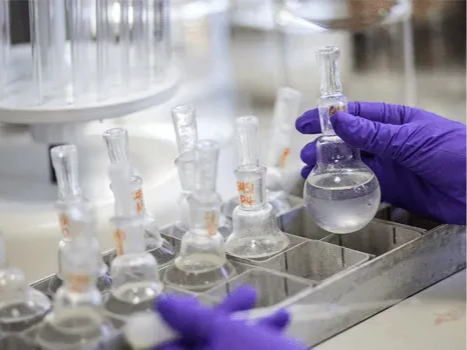
One of the most important technical issues in food-contact packaging is migration.
Substances from packaging materials can potentially transfer into food or beverages. FDA explains that its evaluation of food-contact substances considers migration data and intended exposure when assessing safety.
This is particularly relevant to beverage packaging because liquids may remain in contact with the packaging for extended periods.
The testing conditions should therefore correspond to the actual application, including factors such as:
- Beverage type
- Contact time
- Storage temperature
- Contact conditions
- Packaging material
- Intended market
A migration report is much more useful when the test conditions can be connected to the actual beverage application.

Do Certifications Cover the Entire Custom Beverage Packaging?
Not necessarily.
This is one of the most important points for buyers ordering custom beverage packaging.
A pouch may consist of PET, aluminum foil or metallized film, PE, adhesive, ink, and other components. A certificate or test report covering one material does not automatically demonstrate compliance of the entire finished packaging article under every condition.
For example, if a supplier provides documentation for the PE sealing layer, buyers should not automatically assume that the complete laminated pouch is covered under the same evidence.
The manufacturer should instead be able to identify the material structure and explain how the relevant components are addressed.
This is where an experienced fabricant d'emballages sur mesure pour boissons adds value: compliance needs to be considered during structural design, rather than checked only after the packaging has already been produced.
How Can a Beverage Packaging Manufacturer Help With Compliance?
Compliance should be integrated into the packaging development process.
At GQ PACK, a capable fabricant d'emballages pour boissons can help buyers confirm:
- The target sales market and applicable regulations
- The beverage characteristics and contact conditions
- The proposed material structure
- Food-contact suitability of relevant components
- Required migration or compliance testing
- Documentation needed before mass production
For customized packaging, this process is particularly important because changing a film layer, adhesive, ink, coating, or sealing material can change the compliance requirements.
Working with PACK GQ, beverage packaging solutions can be developed around the customer’s packaging structure and application requirements, allowing regulatory considerations to be addressed together with material selection, customization, and production.

A Practical Checklist Before Ordering Food-Grade Beverage Packaging
Before approving mass production, buyers should confirm:
- Target market: Where will the beverage packaging be sold?
- Packaging structure: What materials and layers are included?
- Food-contact layer: Which layer directly contacts the beverage?
- Compliance basis: Which regulation or standard supports the material’s intended use?
- Migration testing: Has the relevant structure been tested under appropriate conditions?
- Ink and adhesive: Are the relevant components covered by the required compliance documentation?
- Finished packaging: Does the documentation correspond to the actual structure being ordered?
- Traceability: Can the supplier identify the materials and production batches where required?
This checklist is more reliable than asking a supplier for a single “food-grade certificate.”
Conclusion
For international beverage brands, food-grade beverage packaging compliance should be evaluated at the material and finished-structure level.
FDA requirements are relevant for the U.S. market, while EU buyers should consider Regulation (EC) No 1935/2004, Regulation (EU) No 10/2011, and applicable GMP requirements. Chinese production may also involve relevant GB 4806 and GB 31604 standards.
The most important point is that “food grade” is not a single universal certificate. Buyers should verify the applicable regulation, intended use, material structure, migration evidence, and supporting documentation before approving production.
For brands sourcing custom beverage packaging from China, working with a manufacturer that can connect material selection, compliance documentation, testing, customization, and mass production can make the sourcing process more controlled and easier to verify.